Vanimo PNG Papua New Guinea
Papua New Guinea

18 Cruises availables At departure or passage at this port

Port of Vanimo | Cruise Port Guide

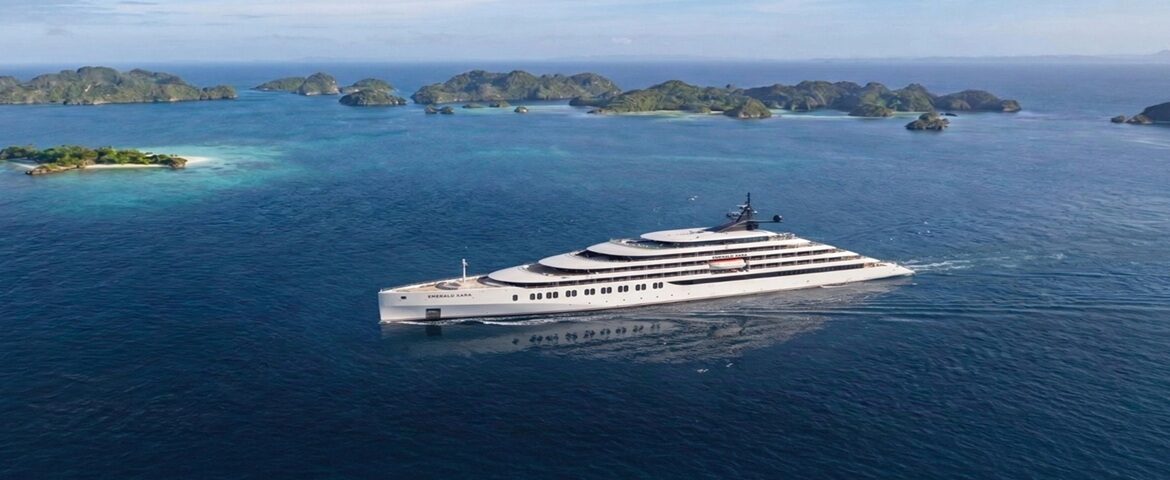
A tongue of land between two bays, forest-covered ridges and, some thirty kilometres to the west, the Indonesian border: Vanimo sits on a peninsula at the very end of the north coast of Papua New Guinea. Expedition ships make a rare stop here, anchoring off the coast before a tender landing, depending on sea conditions. On the shore, part of the population comes out to watch the event: a ship's visit here never goes unnoticed.

A provincial capital at a slow pace

Capital of Sandaun, the West Sepik Province, Vanimo lives from timber, administration and cross-border comings and goings. The town can be covered on foot in little time: a few streets, some stalls, the sea on either side of the peninsula. The provincial capital has some twelve thousand residents, a good number of whom seem to gather near the landing on ship days. Two bays frame the town, and you can go from one to the other in a few minutes' walk, greeted along the way by residents unused to new faces. The appeal of the place lies less in monuments than in immersion: almost no one here makes a living from tourism, and every encounter keeps a spontaneity that the big destinations lost long ago.

The market, the beating heart

Under the tin roofs and umbrellas of the market, women sell sago, the morning's fish, bananas and mountains of fruit, amid conversation and laughter. Above all, you'll find bilums, the hand-woven net bags the whole country carries over the shoulder: each region has its own patterns, and those from Sandaun rarely make it to shops in the big cities. A few kina in your pocket are enough, and the bargaining is gentle, smiles included. The stalls change with deliveries and seasons, so two visits in the same morning sometimes offer two different scenes.

Lido and the waves

A few kilometres to the west, the village of Lido lines up its stilt houses behind a beach planted with coconut palms. Surfers around the world know the name: from October to April, the Pacific swell rolls over the nearby reefs in some of the most consistent waves in the country, almost always with no one in the water. Connoisseurs also mention Yako and Waromo, neighbouring hamlets where the swell works other reefs. Visiting passengers are happy with a walk on the sand, a careful swim and the sight of children playing in the surf the way others play in a schoolyard.

The forest and the songs

Past the last houses, the forest takes over completely: brilliant birds, butterflies as wide as your hand, trails that the expeditions' naturalist guides sometimes explore in small groups. The contrast is striking: ten minutes from the centre, the world becomes entirely green again, rustling, saturated with colour. The air thickens, heavy with humus and warm humidity; bird calls fall from the canopy without your ever managing to spot their authors. For ship visits, communities often organize a welcome sing-sing: dances adorned with feathers and shells, drumming, sung stories. The drums answer one another from group to group, and the children, at the edge of the circle, are already copying their elders' moves. You may also taste sago, the staple food of the coast, or fish cooked in bamboo, prepared before the guests' eyes.

On the way back to the ship, the peninsula stretches out in the light, green and peaceful, between its two bays. Vanimo offers neither showcase nor stage set: it offers something real, handshakes, frank looks, faces you don't forget. And that is why many passengers, retracing their journey, count this modest day among their most vivid memories.

Frequently Asked Questions

It does not dock: expedition ships anchor off the coast and passengers land by tender, sea state permitting. Calls here are rare, and much of the town turns out to watch.
Yes, easily. The town sits on a peninsula between two bays and can be covered quickly: a few streets, some stalls, the sea on either side.
The market, a walk from one bay to the other, and a trip out to Lido village and its beach. Expeditions often arrange a welcome sing-sing and a short forest walk with the ship's naturalists.
Bilums, the hand-knotted string bags carried across the whole country. Each region has its own patterns, and those of Sandaun rarely reach shops in the capitals.
The area is known for it: from October to April, Pacific swell breaks over the reefs at Lido, Yako and Waromo in some of the most consistent waves in the country, almost always with nobody in the water. Cruise passengers usually settle for the beach.
The kina, in small notes. Bargaining is gentle and comes with a smile; cards are not used.
English and Tok Pisin. Vanimo is the capital of Sandaun, the West Sepik province, and English is enough to be understood.
A gathering built around dance: feathered and shell-decked costumes, drumming, sung narratives. Communities often stage one for a ship's call, and the children at the edge of the circle are already copying their elders.
The forest, ten minutes from the centre: brilliant birds, butterflies the width of a hand, trails the expedition naturalists explore in small groups. The contrast with the streets is striking.
An encounter rather than a tour. Almost nobody here lives from tourism, there is no shopfront and no staging, and that is exactly why many passengers count this modest day among the most vivid of the trip.