Szczecin Poland
Poland

63 Cruises availables At departure or passage at this port

CroisiEurope (56 Cruises)

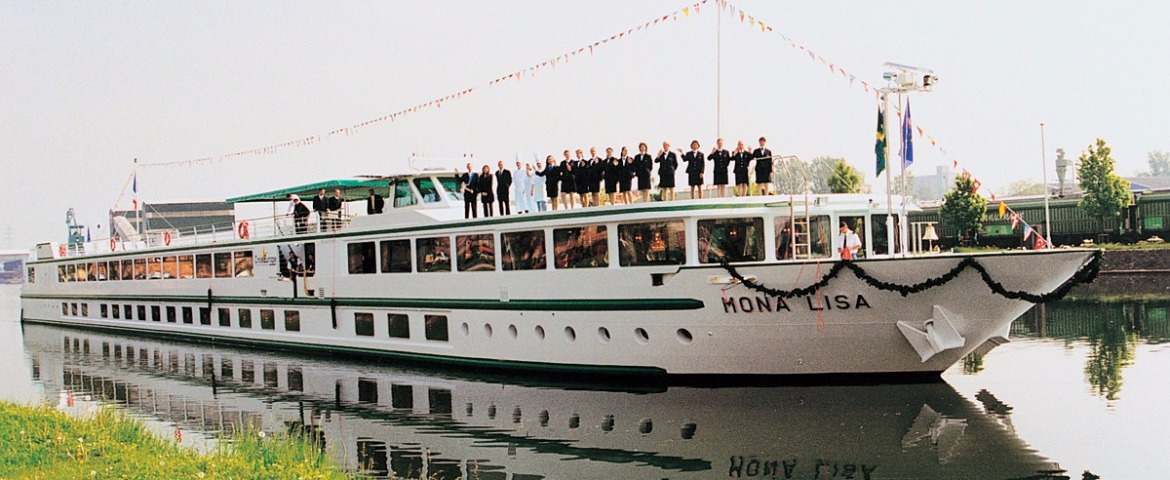
Cruise CE Croisieurope MS Mona Lisa ship

MS Mona Lisa

92 Passengers
Visit the ship's page
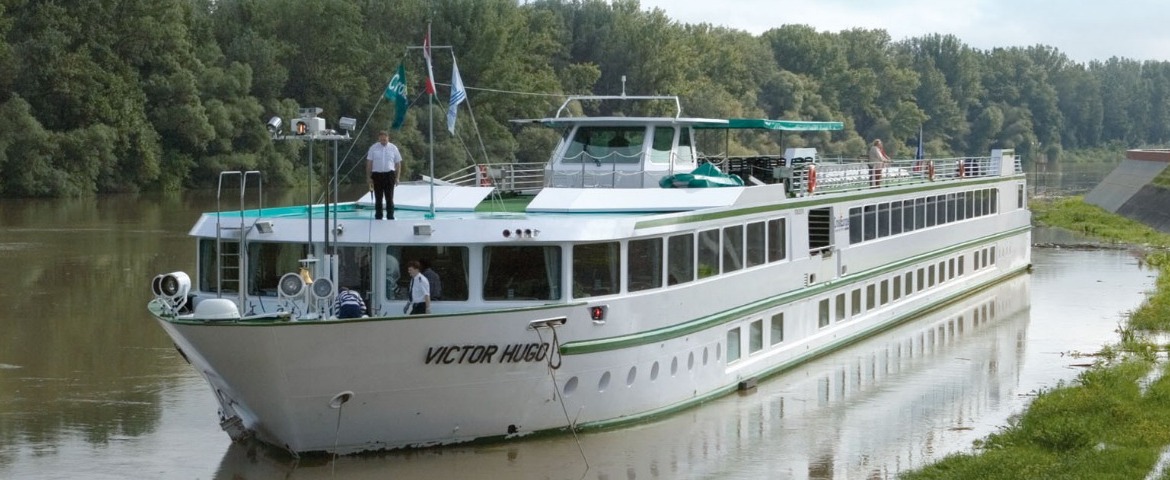
Cruise CE Croisieurope MS Victor Hugo ship

MS Victor Hugo

86 Passengers
Visit the ship's page

Szczecin, Poland | Baltic Cruise & Travel Guide

You don't arrive in Szczecin by sea, but by river. After crossing the lagoon, the Oder narrows between cranes, shipyards and reed beds for some sixty kilometres, until the long terrace of the Wały Chrobrego finally rises up, crowned with early 20th-century palaces. The capital of West Pomerania has always lived from this in-between position, between the Baltic and Central Europe, between German heritage and Polish renewal. The terminal is a kilometre and a half from the centre: a fifteen-minute walk or a short taxi ride is all it takes.

The Wały Chrobrego, a balcony over the river

Start where the ships greet you: the Chrobry Embankment, half a kilometre of balustrades, monumental staircases and pavilions built in the early 20th century above the Oder. The National Museum and the maritime university occupy its stately buildings, and residents come here to watch the freighters go by as others watch the sea. It's the finest viewpoint in the area, and it's almost directly opposite the terminal. Below, white launches wait for strollers for the harbour loop; keep the idea for the end of the day.

The Castle of the Pomeranian Dukes

Climbing toward the centre, you reach the Griffin Castle, named after the dynasty that ruled Pomerania for five centuries. Destroyed during the war, the Renaissance building was rebuilt stone by stone over the decades; it has regained its white courtyards, scrolled gables and astronomical clock, and today hosts concerts, exhibitions and a café in the vaulted cellars. Nearby, the rebuilt old town lines up its colourful gabled houses around the Gothic town hall, whose flamboyant brick houses the local history museum and its collections on the city's Hanseatic past. The terraces on the square come alive in the late afternoon, when students and families meet there.

A city designed like Paris

Move away from the quays and Szczecin changes its face: wide tree-lined avenues, eclectic buildings and circular squares from which streets radiate like a star. This plan, adopted after the fortifications were demolished in the 19th century, is openly inspired by the Paris of the grand boulevards; Grunwaldzki Square, from which eight avenues lined with plane trees and ornate façades radiate, is the most successful example. A local legend even attributes the layout to Baron Haussmann himself. It's not true, but it speaks to residents' pride in their "little Paris" of the Baltic.

Flavours of Pomerania

Szczecin is to be tasted as much as visited. Two specialties are worth trying:

  • pasztecik szczeciński, an elongated fried dough filled with meat or cabbage, served piping hot at counters that haven't changed in decades;
  • paprykarz szczeciński, a spread of fish, rice and paprika born in the local canneries, which has become a national classic.

Cafés in the old quarter and restaurants on the Wały Chrobrego complete the picture, with Baltic fish on the menu.

The river, always the river

If time allows, excursion launches offer a loop on the Oder: you pass the shipyards that employed generations of workers, the harbour islands and, farther on, the calm waters of Lake Dąbie, a paradise for sailboats. Seen from the water, Szczecin reveals its true nature as a port city, both industrious and green.

As the ship gets under way, the Chrobry Embankment slides past one last time alongside. Residents have a saying about their little-known city: those who stop here by chance come back by choice. The call makes you want to prove them right.

Frequently Asked Questions

At the terminal about a kilometre and a half from the centre: fifteen minutes on foot or a short taxi ride. You arrive in Szczecin by river, not by sea, after some sixty kilometres up the Oder.
The Wały Chrobrego terrace, the castle of the Dukes of Pomerania and the rebuilt old town, then the boulevards of the centre. A boat loop on the Oder rounds off the day well.
Half a kilometre of terrace, balustrades and monumental staircases built above the Oder in the early 20th century. It is the finest viewpoint around, almost opposite the terminal.
The Griffin castle, named after the dynasty that ruled Pomerania for five centuries. Destroyed in the war and rebuilt stone by stone, it has regained its white courtyards, scrolled gables and astronomical clock.
Because of its layout: wide tree-lined avenues and circular squares from which streets radiate like stars, adopted after the fortifications were demolished in the 19th century. Grunwaldzki Square is the finest example.
No, that is a local legend. The layout openly draws on the Paris of the grand boulevards, but the baron had nothing to do with it. The story really speaks to residents' pride in their little Baltic Paris.
Pasztecik szczeciński, an elongated fried pastry stuffed with meat or cabbage, served scalding from counters unchanged in decades. And paprykarz szczeciński, a spread of fish, rice and paprika that became a national classic.
Yes, white excursion boats leave from below the Wały Chrobrego for a loop of the port: shipyards, harbour islands and, further out, the calm waters of Lake Dąbie.
Rebuilt gabled houses in bright colours around the Gothic town hall, whose flamboyant brickwork holds the local history museum and its Hanseatic collections.
It is an overlooked city, and it knows it. Locals have a saying: those who stop by chance come back by choice. Do not look for an intact old centre here, but for a green and surprising port city.