Bitetos Portugal

26 Cruises availables At departure or passage at this port

CroisiEurope (26 Cruises)

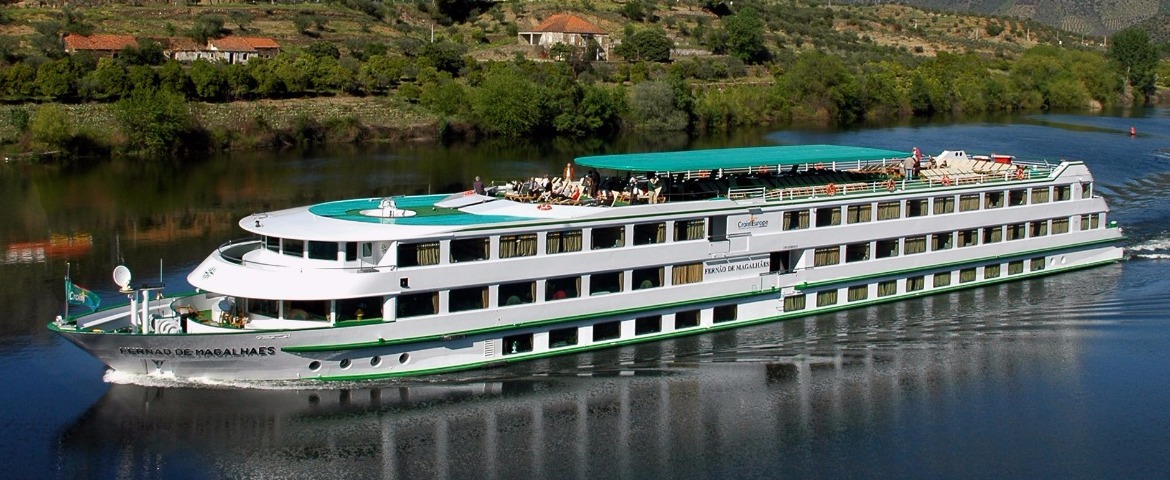
Cruise CE Croisieurope MS Fernao de Magalhaes ship

MS Fernao de Magalhaes

136 Passengers
Visit the ship's page

The Douro slows here, as if catching its breath between two wooded hills. On the bank, a simple pontoon, a few tile roofs, eucalyptus that perfume the air as soon as the sun warms: Bitetos counts fewer than five hundred residents and makes no claim to more. River boats nonetheless stop here faithfully, and those who disembark quickly understand why. The stop rarely lasts more than an evening or a morning, and that may be its strength: the place leaves no time to grow accustomed to its gentleness.

A Village Born on Roman Ruins

The present hamlet was built on the site of a Roman establishment, a discreet reminder that this valley has served as a passage for two thousand years. There is neither museum nor marked trail: the history is rather divined in the granite walls, the paths worn deep by generations of footsteps and the agricultural terraces that stripe the slopes above the water.

The Monastery of Alpendurada

The true reason for the stop stands a little higher on the slope: the Monastery of Alpendurada, founded in the eleventh century by Benedictine monks. For nine centuries, the community kept time for the valley's life; the buildings today shelter a hostelry and restaurant that perpetuate, in their way, the tradition of monastic hospitality. You reach it from the landing by a short climb, between gardens and woods. Vaulted rooms, stairs of polished stone and a terrace overlooking the Douro compose a sober décor, where each window frames the landscape like a painting. A small exhibition evokes the monks' life of old; you tour it in minutes, then linger longer in the gardens, where time seems measured differently. From the terrace, you follow long the course of a boat or a heron's flight; the entire valley seems to advance at the current's rhythm, and you understand why the monks chose precisely this slope to install their silence.

A Candlelit Supper With the Benedictines

Several river companies programme here an evening moored at the dock, and it is the port-call's highlight: climb to the monastery as day falls, take your place beneath the ancient vaults and share a meal of Portuguese cuisine washed down with regional wines. Gratinéed salt cod, roasted suckling pig, creamy rice depending on the evening; the recipes vary, generosity endures. Descend afterward toward the boat in the warm night, guided by the pontoon lights, leaves a memory that many great capitals would struggle to match.

Stroll by the Water

Those who prefer to stay at river level will find their pleasure in an aimless walk along the bank. Fishers cast their lines in silence there, swallows skim the surface at twilight and the vineyards of the opposite shore change hue as light descends. It is a contemplative port-call, made for slowing: a bench, a notebook or a simple gaze suffices to draw its essence. Photographers will wait for the golden hour, when evening mist rises and blurs the boundary between water and hills; the lower Douro is never more moving than at that precise moment of day.

When the Lines Slip

Bitetos figures on no list of wonders and is none the worse for it. What you carry away in leaving amounts to little: the scent of eucalyptus, the coolness of a cloister, the sound of the Douro against the hull. And the soothing sense that there are still places where nothing else happens than life, patient and beautiful, at the edge of a great river.

Frequently Asked Questions

At a simple pontoon on the bank of the Douro, below a hamlet of fewer than five hundred people. The stop rarely lasts more than an evening or a morning.
For the Alpendurada monastery, a little higher on the slope. Founded in the 11th century by Benedictine monks, it now houses a hotel and restaurant that continue the monastic tradition of hospitality.
By a short climb from the landing, between gardens and woods. Vaulted rooms, worn stone staircases and a terrace above the Douro: every window frames the landscape like a painting.
The highlight of the stop: several lines schedule an overnight at the quay, with a climb to the monastery at dusk and a Portuguese dinner beneath the old vaults, accompanied by regional wines.
Baked salt cod, suckling pig, creamy rice, depending on the evening. The recipes vary; the generosity does not.
The hamlet grew on the site of a Roman settlement, but there is no museum and no marked trail. The history is felt instead in the granite walls and the farming terraces striping the slopes.
An aimless walk along the bank: silent anglers, swallows skimming the surface at dusk, vineyards on the far shore shifting colour. It is a contemplative call, made for slowing down.
The golden hour, when evening mist rises and blurs the line between water and hills. The lower Douro is never more affecting than at that precise moment.
Essentially none. The hamlet has fewer than five hundred inhabitants and makes no pretence otherwise. Plan your purchases elsewhere on the itinerary.
Anyone who can appreciate a stop where nothing happens beyond life beside a great river. Those looking for monuments or shops will be disappointed, and that is quite all right.