Coimbra Portugal

23 Cruises availables At departure or passage at this port

Riviera Travel (19 Cruises)

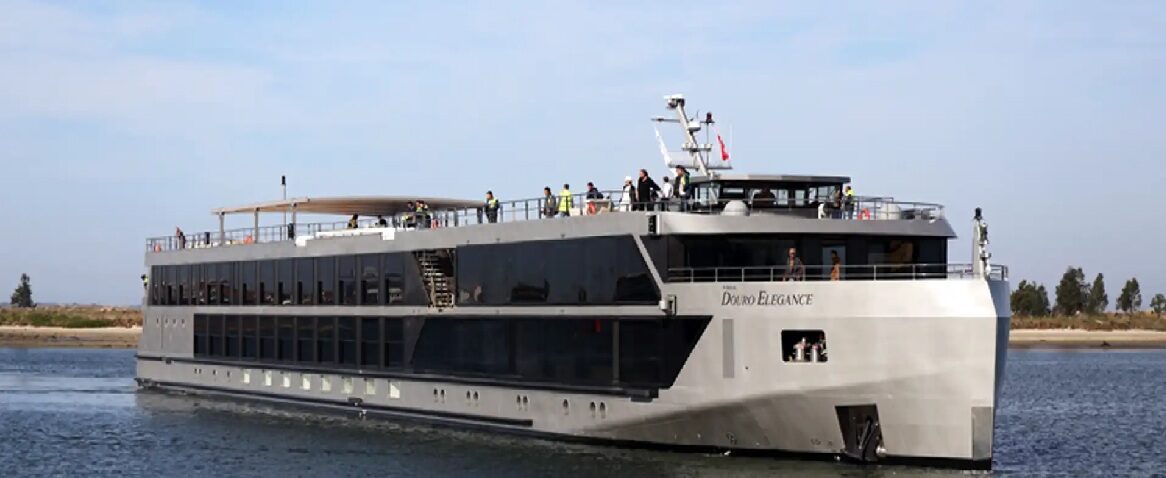
MS Douro Elegance.

MS Douro Elegance

160 Passengers
Visit the ship's page

Coimbra Portugal | Cultural Heritage & Cruise Excursion Guide

Student voices have descended the hillside for seven centuries. Coimbra rises above the Mondego River, crowned by its university founded in 1290, one of Europe's oldest and today inscribed on the UNESCO world heritage list. For travellers on Portuguese river cruises, the excursion to this university city often ranks among the voyage's most memorable moments, and you need only climb the hill to understand why.

The Climb to the Heights

From the Mondego's shores, streets wind in switchbacks toward the summit. The climb is made on foot for good walkers, by staircases and lanes where student voices echo, dressed in black capes, or by vehicle for groups. As you rise, the tiled roofs spread below and the calm waters trace their curve through the plain.

The University and Its Courtyard of Honour

The summit belongs to the university. Its great court opens onto the landscape like a stone balcony, bordered by the white, austere façades of the old faculties. The clock tower, which you can climb, offers the most complete panorama over the roofs and valley. In the neighbouring São Miguel Chapel, a Baroque altarpiece and an organ with painted pipes command attention, prelude to the treasure everyone awaits.

The Joanina Library: Cathedral of the Book

Completed in 1728, the Joanina Library lines three sumptuous halls where gold, exotic woods and ceiling frescoes compose one of Portugal's most beautiful Baroque interiors. Some 60,000 volumes from the sixteenth, seventeenth and eighteenth centuries sleep on its shelves. The tour is conducted in groups at set hours, with tickets best reserved in advance; organized excursions usually handle this. You whisper beneath painted ceilings, search with your eyes for the tiny bats that protect the books from insects at night, and leave with the feeling of having seen a sanctuary as much as a library.

Descending Through the Lanes

The descent to the lower quarters holds its own pleasures. The shops on Ferreira Borges Street sell convent pastries and ceramics, the cafés serve strong espresso in Portuguese fashion, and the plazas come alive as classes end. Taste on the way the Tentúgal pastry, a puff pastry with egg cream inherited from the region's convents, perfect companion to the afternoon break. Coimbra also possesses its own fado tradition, graver and more masculine than Lisbon's, sung by students beneath the old city's windows; some restaurants offer performances late in the day.

The River as Guiding Thread

The Mondego accompanies each stage of the day. Boat rides allow you to admire from the water the tiered façades and the university's silhouette, a view angle that photographers seek in late afternoon. The arranged banks also invite a digestive walk on return, when raking light lengthens the bridges' reflections. The Portuguese call their watercourse the river of poets, and it takes only a moment on its shores to grasp why so many verses were devoted to it.

Things to Remember for the Excursion

  • University, chapel and library: about two hours of touring at the summit.
  • Joanina tickets at set hours: advance reservation recommended.
  • Demanding climb on foot; shuttles and coaches deposit groups at the top.

What Remains Upon Return

Returning to the boat, many travellers hold in mind less a monument than an atmosphere: this gravity both scholarly and joyful, made of white stone, black capes and songs at twilight. Universities outlast centuries better than empires, Coimbra whispers to its visitors, and this thought long accompanies the river's descent.

Frequently Asked Questions

From the banks of the Mondego, streets climb in switchbacks to the summit. Strong walkers go up on foot by stairways and lanes; groups are dropped at the top by coach or shuttle.
The university, São Miguel chapel and the Joanina Library take about two hours at the top. The walk back down through the lanes to the lower town fills the rest of the day.
One of the oldest in Europe, founded in 1290 and a World Heritage site. Its great courtyard opens onto the landscape like a stone balcony, framed by the white facades of the old faculties.
A cathedral of books completed in 1728: three halls where gilt, exotic woods and ceiling frescoes form one of the finest Baroque interiors in Portugal. Some 60,000 volumes from the 16th, 17th and 18th centuries sleep on its shelves.
Yes. Visits are in timed groups, with tickets best reserved in advance. Organised excursions usually handle this.
Yes, tiny bats protect the books from insects at night. Look for them under the painted ceilings: they have been part of the conservation system for centuries.
Yes, it is graver and more masculine, sung by students in black capes beneath the windows of the old city. Some restaurants offer performances late in the day.
The pastel de Tentúgal, an egg-cream pastry inherited from the region's convents, with a tight Portuguese espresso. The shops on Rua Ferreira Borges also sell ceramics and convent sweets.
On foot it is demanding: stairways and steep lanes all the way up the hill. Anyone who walks with difficulty should plan on the shuttle or coach, which set down at the top.
The river the Portuguese call the river of poets. Boat trips let you admire the tiered facades and the silhouette of the university from the water, a favourite angle in late afternoon.