Folgosa Portugal
60
Cruises availables
At departure or passage at this port
CroisiEurope (32 Cruises)
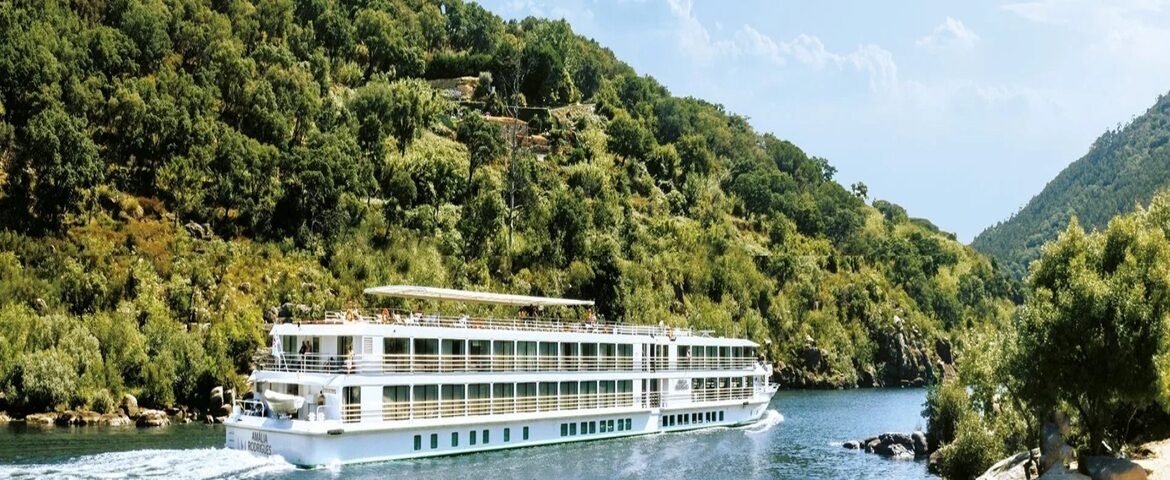

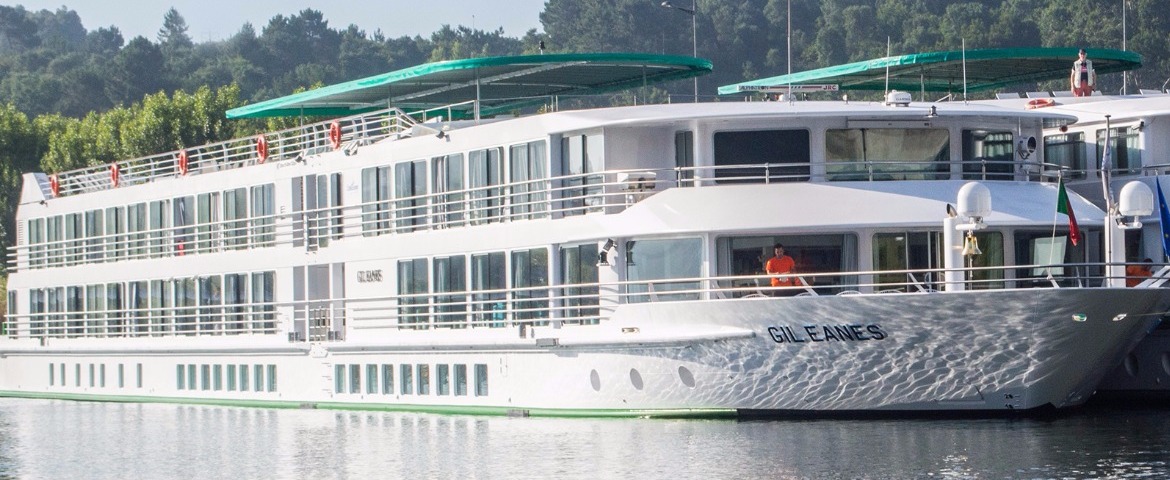
MS Gil Eanes
10 Cruises
| 15 April | 5 days | Round-trip Porto, the Douro valley Portugal and Salamanca Spain |
450-628-6241
Call us
|
| 15 April | 6 days | Round-trip from Porto-Leixoes, Portugal |
450-628-6241
Call us
|
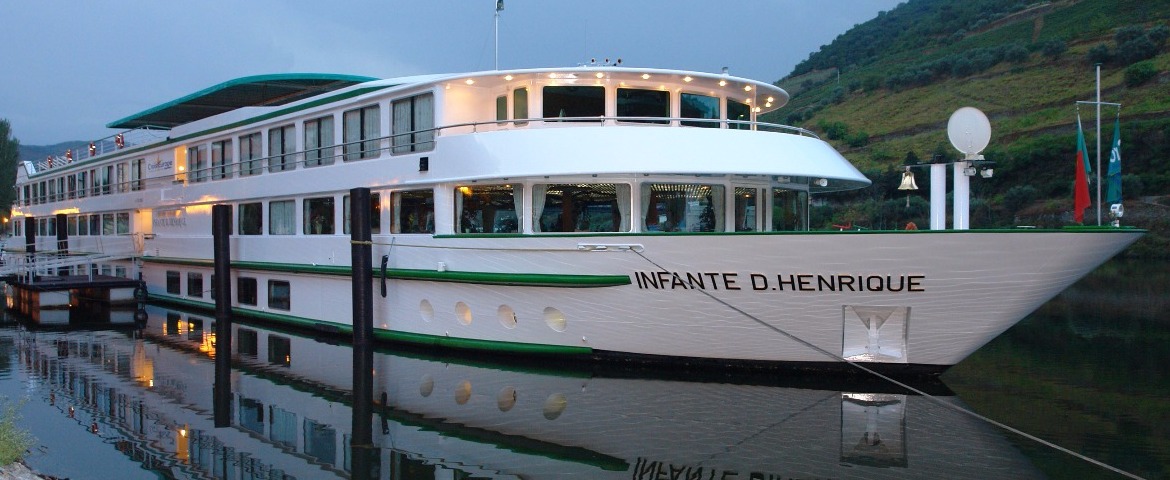
MS Infante Don Henrique
4 Cruises
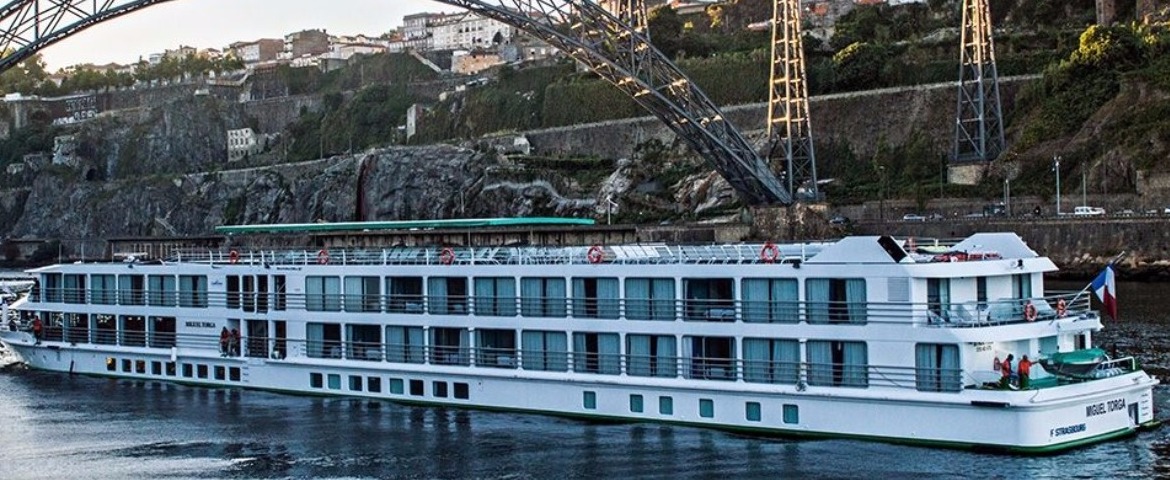
MS Miguel Torga
17 Cruises
Tauck Cruises (28 Cruises)
ms Andorinha
18 Cruises
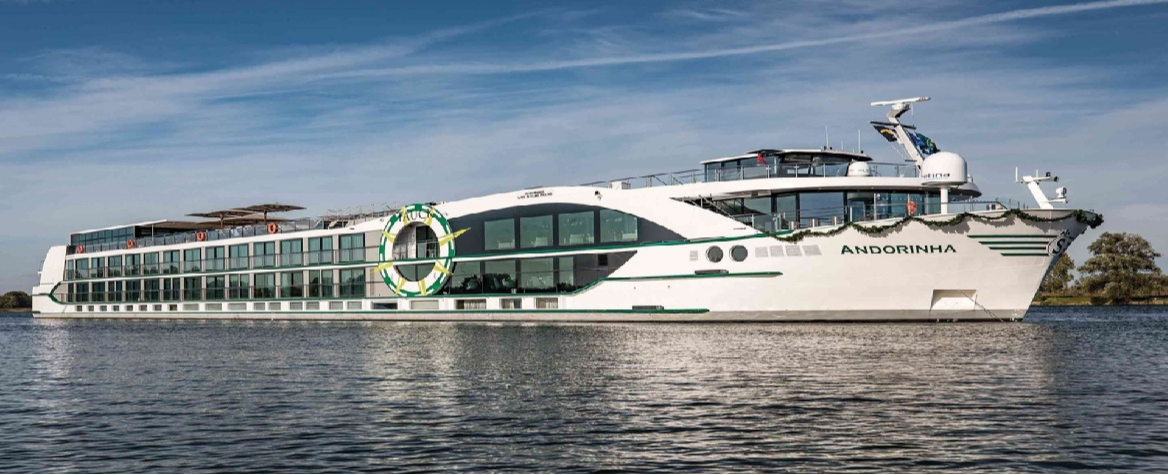

| 11 May | 11 days | One-way from Madrid to Porto-Leixoes |
450-628-6241
Call us
|
| 13 May | 7 days | One-way from Madrid to Porto-Leixoes |
450-628-6241
Call us
|
ms Grace
10 Cruises
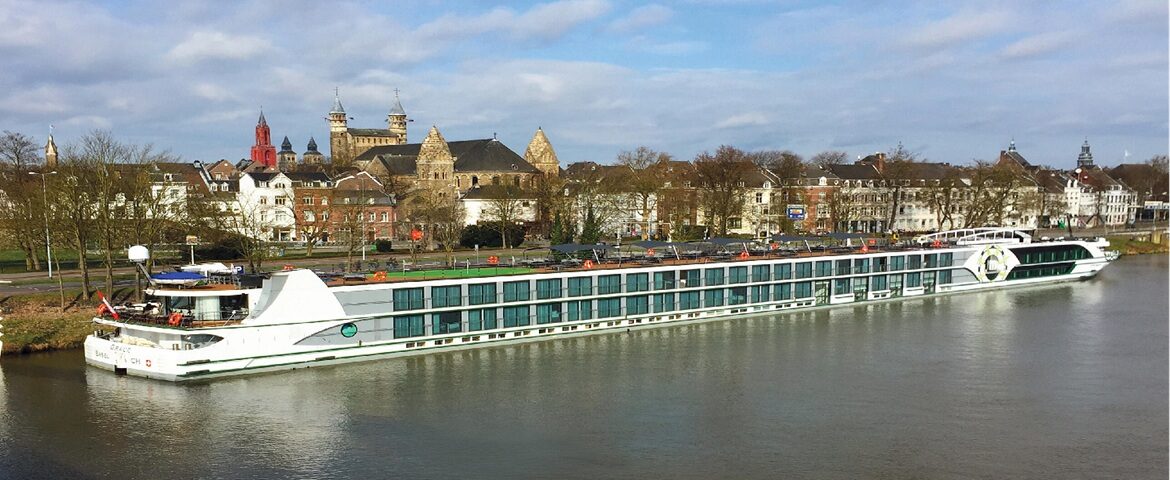
| 15 April | 5 days | Round-trip Porto, the Douro valley Portugal and Salamanca Spain |
450-628-6241
Call us
|
| 15 April | 6 days | Round-trip from Porto-Leixoes, Portugal |
450-628-6241
Call us
|
Folgosa Portugal | Douro Valley River Cruise Destination Guide
Frequently Asked Questions
At the village landing itself, steps from the first houses. Folgosa is a river call: the boat ties up to the bank and the whole place is measured in minutes of walking, with no shuttle or taxi needed.
Yes, and it's the only way. The hamlet sits between the bank and the slopes; you can walk it in a few minutes. No traffic, no queues, just the lapping water, the cypresses and the rows of vines.
Visit a quinta with a tasting. That's the point of the call: you learn how terraced vines are worked, then how the Douro wines and ports are made. A traditional boat outing or a riverside meal rounds out the day.
A wine estate, recognizable by its white facade set on the slopes. Vines are grown in terraces on hillsides where machinery often can't go, and the region's wines are made there, from full-bodied red Douro to barrel-aged ports.
No, and that is by design. You don't come ashore at Folgosa for churches or museums, but to stand in the heart of port wine country: the UNESCO World Heritage terraces are the monument. Anyone looking for built heritage will be disappointed.
Yes, several programs include a rabelo outing, the traditional flat-bottomed boat that once carried barrels down to the cellars of Vila Nova de Gaia. From the water, the sheer scale of the terraces becomes obvious.
Yes. The town, the historic hub of the wine trade, lies a short distance away on the same river axis and anchors several regional excursions. The link is made by boat or by road, depending on the program.
The euro and Portuguese. Quintas that host groups take cards and usually work in English; in the village's small establishments, cash is more practical.
April through October. September is the liveliest: the harvest fills the slopes with pickers and baskets, but visits and tastings must then be booked ahead. The low late-day light on the stone walls is there all season, straight from the deck.
Only moderately. The program revolves around wine and tasting, which says little to children. The scenery, the traditional boat and the riverside walk save the day, but this is not a call designed for them.


