Dammam Saudi Arabia, Riyadh
Saudi Arabia
17
Cruises availables
At departure or passage at this port
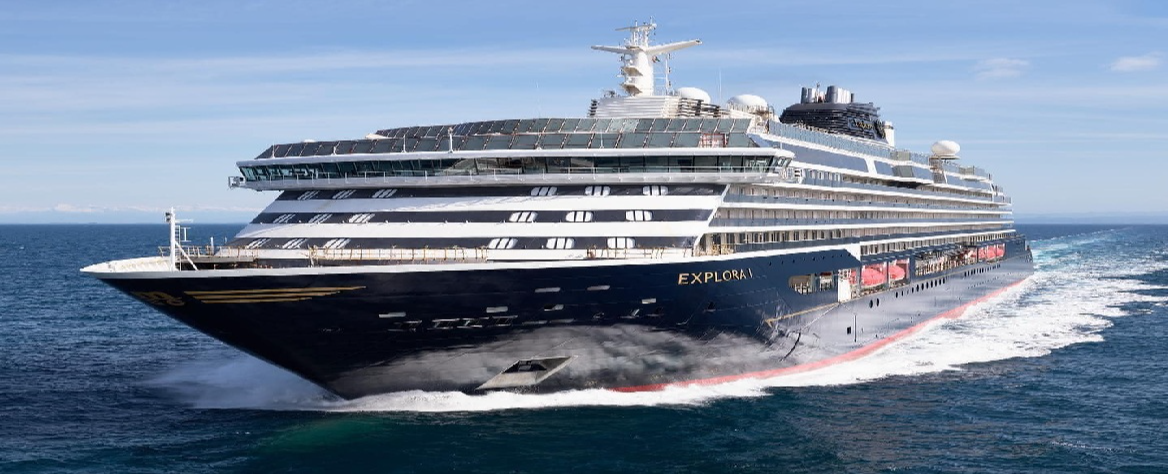
Explora Journeys (17 Cruises)
Explora I
17 Cruises

Port of Dammam, Saudi Arabia | Cruise Port Guide
Frequently Asked Questions
At King Abdulaziz Port, one of the major ports of the Persian Gulf. It is a commercial port: you leave by shuttle or taxi toward the corniche and the centre, not on foot.
The main cruise gateway to the east coast, long closed to visitors. The port serves the Eastern Province and, beyond it, Riyadh, the capital, about 390 kilometres inland.
No, and it is better said plainly: 390 kilometres separate the port from the capital, a full day of driving round trip. The call plays out in the Dammam-Dhahran-Al Khobar conurbation.
Ithra in Dhahran first, then Dammam's corniche or Al Khobar's waterfront. The central souks round out the day nicely if time allows.
The King Abdulaziz Center for World Culture in Dhahran: a futuristic building resembling a stack of polished pebbles. It holds a museum, galleries, a library, a theatre and exhibitions, from Saudi heritage to international contemporary art. You could spend half a day there.
It runs about 7.5 kilometres along the Gulf, punctuated by parks, mosques and cafes. Families gather in the evening as the heat drops, among anglers, joggers and grilled corn vendors.
Fabrics, dates and incense. These stalls are a reminder that trade here long predates the oil era: well before the derricks, the region lived off fishing and Gulf pearls.
Tarout Castle on its island in Qatif Bay, the old market of Qatif, and the UNESCO-listed Al-Ahsa oasis with its millions of date palms and springs. Al-Ahsa needs a long day on the road: reserve it for extended calls.
November to March. Gulf summer combines extreme heat with humidity, which makes the corniche and souks hard going by day. Even in winter, outdoor activity works better in late afternoon.
Modestly: shoulders and knees covered for everyone, loose clothing. Rules have eased for women visitors, but restraint in dress is still expected in the souks and on the corniche.


