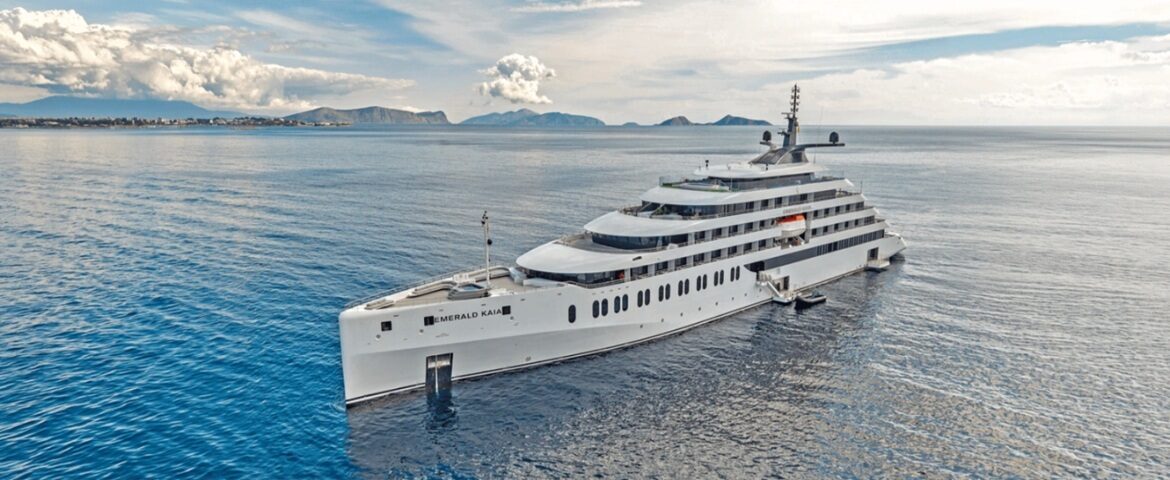
Port of Yanbu Al-Bahr | Cruise Port Guide

Coral stone houses, topped with brown mashrabiya that jut out above the lanes, surround the old fishermen's basin. Yanbu Al-Bahr, on the eastern shore of the Red Sea, hides behind its industrial profile one of the oldest maritime trading posts in Arabia: a relay on the route that carried spices and incense from Yemen to Egypt and the Mediterranean, and for a long time a landing place for pilgrims on their way to Medina.

A discreet giant of the Red Sea

The ship moors in the kingdom's second port after Jeddah, whose refineries and terminals stretch mostly far to the south, toward the industrial city. The call, however, looks north, toward the ancient city: a short shuttle or taxi ride is enough to go from modern facilities to the lanes of old Yanbu. The contrast sums up today's Saudi Arabia, which is opening its doors to travellers and restoring its historic districts with brand-new care.

The old town and Lawrence's house

The historic Al-Balad district lines up its coral and wood houses around a shady souk selling dates, incense, fabrics and cardamom coffee. The restored façades reveal the old technique: coral blocks cut from the reef, dark wooden beams, latticed balconies that catch the sea breeze. The tight layout of the lanes keeps the logic of a trading post of old: maximum shade, channelled drafts, warehouses steps from the boats. It is in one of these houses that T.E. Lawrence, the famous Lawrence of Arabia, is said to have stayed when Yanbu served as a base for the Arab Revolt during the First World War; residents gladly point out the building and tell the story with pride. Early in the morning, the neighbouring fish market comes alive around the groupers and jacks landed during the night, amid the calls of the auctions.

The corniche and seaside gardens

The city has given itself long landscaped corniches, dotted with palm trees, lawns and playgrounds. Families settle there in the late afternoon, thermoses of tea set on mats, while walkers follow the shoreline to small beaches of pale sand. When evening comes, stands selling grilled corn and spiced milk tea scent the promenade. The visiting traveller gets a taste here of an everyday, peaceful Arabia, far from the usual images: people greet you, ask about your country, and sometimes offer you dates and cardamom coffee, for no other reason than the hospitality of the desert.

The reefs, a treasure beneath the surface

The waters off the city rank among the most renowned diving areas of the Saudi Red Sea. Intact corals, dizzying drop-offs and multicoloured fish attract certified divers, while more accessible snorkelling outings take place near the islets and lagoons. Several cruise excursions offer a half-day at sea, fins on; the water, warm and translucent for much of the year, holds a surprise for the first masks dipped into it that people are still talking about at the evening meal.

Port of call at a glance

SiteDistance from the dockAccess
Old town (Al-Balad)Short rideShuttle or taxi
Corniche and city beachesA few kilometresTaxi
Red Sea reefsDepending on the excursionBoat

At sunset, the coral stone takes on a honey hue and the silhouettes of the minarets stand out against an orange sky, while families return to the corniche for the evening. You go back on board with the feeling of having opened a door that is still new: that of a country learning to tell its story to travellers, and doing so here without added scenery, simply with its sea, its coral and its memory of caravans.

Frequently Asked Questions

In the kingdom's second port after Jeddah, on the eastern shore of the Red Sea. The refineries stretch mostly far to the south; the call itself looks north to the old city, a short shuttle or taxi ride away.
The historic Al-Balad quarter with its shaded souq, the house said to be Lawrence's, then the fish market early morning if the timing works. The corniche in late afternoon rounds out the day.
One of the oldest maritime trading posts in Arabia: coral-stone houses topped with brown mashrabiya screens, around the old fishermen's basin. The tight street pattern keeps the logic of an old trading post: maximum shade and channelled breezes.
T.E. Lawrence is said to have lodged in one of the old quarter's houses, when Yanbu served as a base for the Arab Revolt during the First World War. Residents will happily point out the building and tell the story with pride.
It was a staging post on the route carrying spices and incense from Yemen toward Egypt and the Mediterranean, and long a landing point for pilgrims heading to Medina. Its current industrial profile hides that antiquity.
From coral blocks quarried off the reef, with dark timber beams and openwork balconies that catch the sea breeze. Restored facades reveal the old technique, and restoration continues quarter by quarter.
Dates, incense, fabrics and cardamom coffee, in the shade of the old quarter's lanes. It is neighbourhood trade rather than a tourist bazaar, which is exactly what makes it interesting.
Grouper and trevally landed overnight, under the calls of the auction. The market comes alive at dawn, right beside the old quarter: it is the moment the town shows itself most truly.
Long landscaped promenades punctuated by palms, lawns and playgrounds, running out to small pale-sand beaches. Families settle in late afternoon, and stalls of grilled corn and spiced milk tea scent the evening.
With plain hospitality. People greet you, ask about your country, sometimes offer dates and cardamom coffee for no reason at all. This is an everyday, peaceful Arabia, far from the stock images.