East London South Africa
8
Cruises availables
At departure or passage at this port
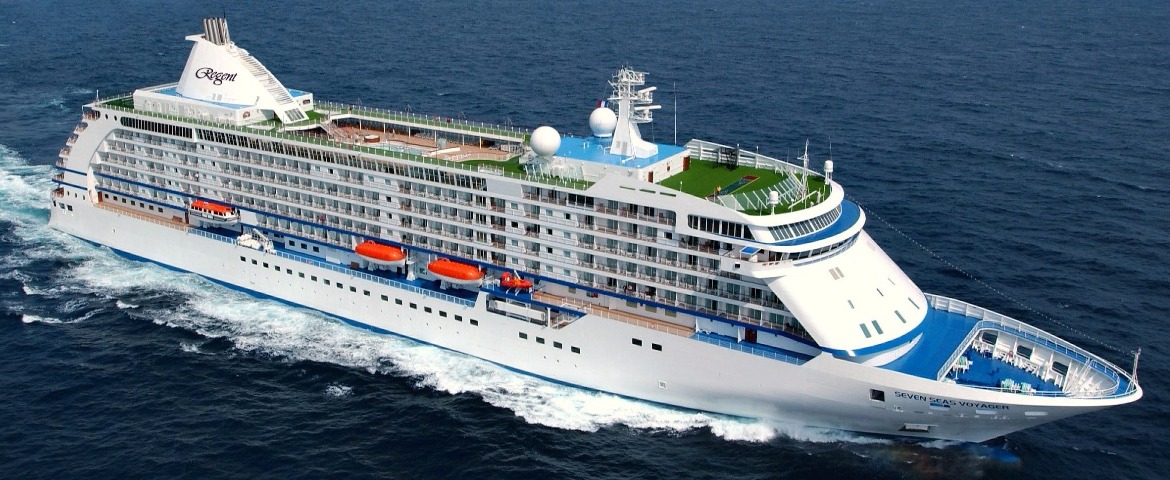
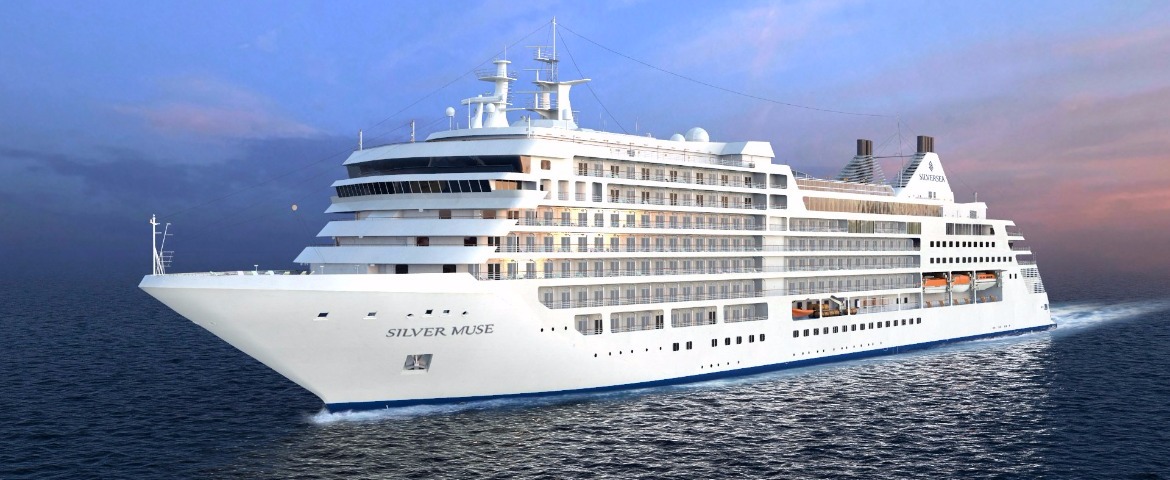
Silversea Cruises (2 Cruises)
Viking Ocean Cruises (4 Cruises)
Port of East London | Cruise Port Guide
Frequently Asked Questions
In the commercial basin, among cranes and silos. The setting is industrial: shuttles or taxis are the practical way to reach the museum, the beaches or the centre.
It is the country's only river port, tucked into the Buffalo River estuary between two long beaches pounded by the Indian Ocean.
Because it holds the first modern coelacanth ever identified. In 1938 curator Marjorie Courtenay-Latimer spotted this fleshy-finned fish in a local trawler's catch, a species science believed extinct for tens of millions of years. The genus Latimeria carries her name.
A dodo egg, an outright rarity, along with galleries on Xhosa culture and natural history. The collection is remarkable for a city this size.
Orient Beach for calm family swimming, sheltered by the harbour breakwater, with the municipal aquarium alongside. Nahoon Beach, further north, for the surfers and kilometres of dune-backed sand.
Yes. Private reserves in the region run half-day drives where giraffe, elephant and lion can be seen. It is a chance to touch the African bush without a long drive.
Yes. The city is a gateway to Xhosa country, the nation of Nelson Mandela, born a few hours inland. Cultural excursions reach villages where song, dance and storytelling keep the traditions alive, with a shared meal included.
The museum for the coelacanth, then Orient Beach or the coastal walk. A half-day safari is possible, but it fills the entire call: you have to choose.
The rock pools along the coastal walk turn into natural aquariums where you can spot anemones and starfish. It costs nothing and children love it.
The South African rand; cards work in shops and museums. Xhosa, English and Afrikaans are spoken, and English is enough anywhere for a visitor.


