South Shetland Islands Antarctica
Antarctica
129
Cruises availables
At departure or passage at this port
Silversea Cruises (129 Cruises)
Silver Cloud
23 Cruises
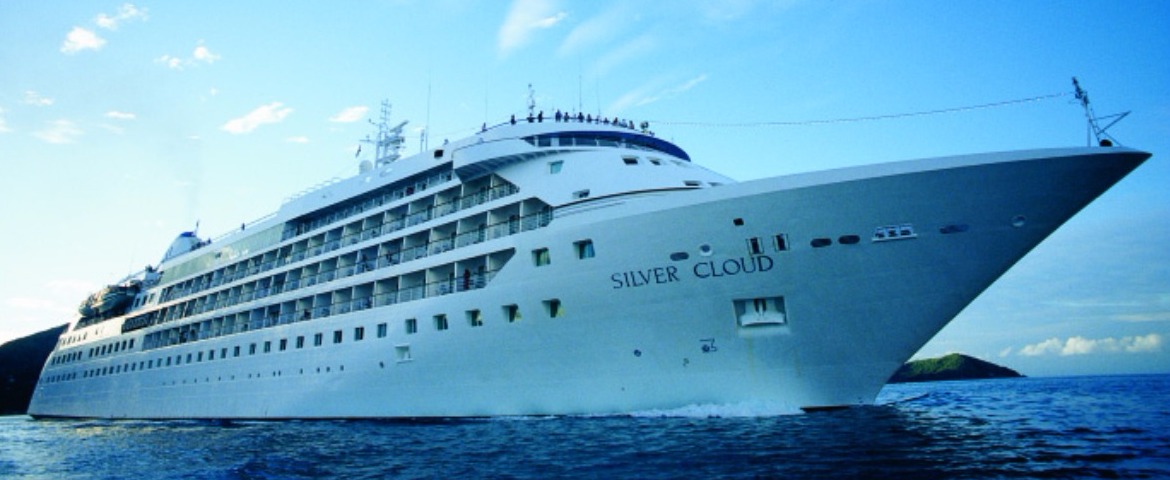

| 8 January | 10 nights | Round-trip from Puerto Williams, Chile |
450-628-6241
Call us
|
| 18 January | 15 nights | Round-trip from Puerto Williams, Chile |
450-628-6241
Call us
|
| 11 January | 10 nights | Round-trip from Puerto Williams, Chile |
450-628-6241
Call us
|
| 21 January | 18 nights | Round-trip from Puerto Williams, Chile |
450-628-6241
Call us
|
Silver Cloud Expedition
23 Cruises
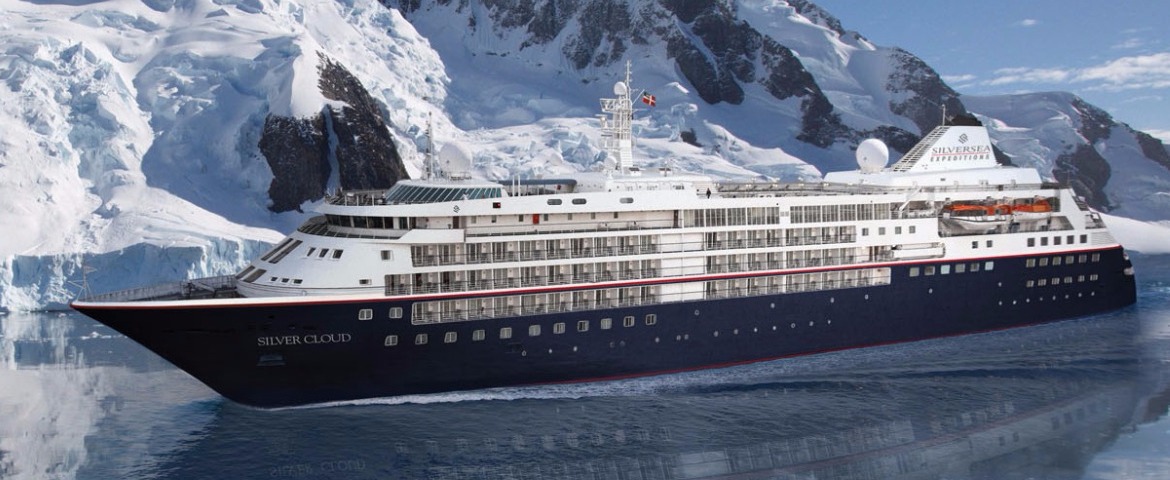
| 8 January | 10 nights | Round-trip from Puerto Williams, Chile |
450-628-6241
Call us
|
| 18 January | 15 nights | Round-trip from Puerto Williams, Chile |
450-628-6241
Call us
|
| 11 January | 10 nights | Round-trip from Puerto Williams, Chile |
450-628-6241
Call us
|
| 21 January | 18 nights | Round-trip from Puerto Williams, Chile |
450-628-6241
Call us
|
Silver Endeavour
39 Cruises
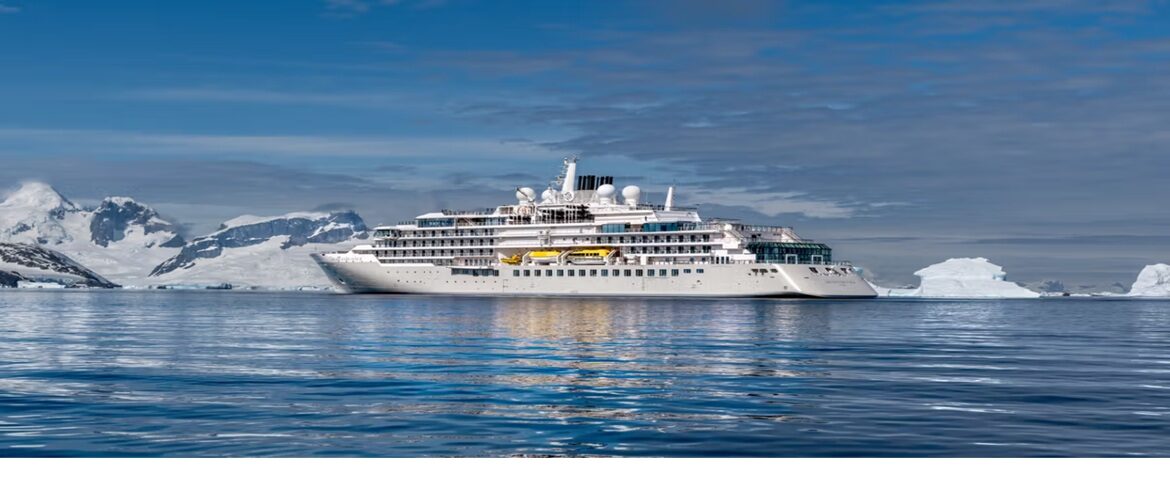
| 23 October | 14 nights | One-way from Puerto Williams to King George Island Antarctica |
450-628-6241
Call us
|
Silver Wind
44 Cruises
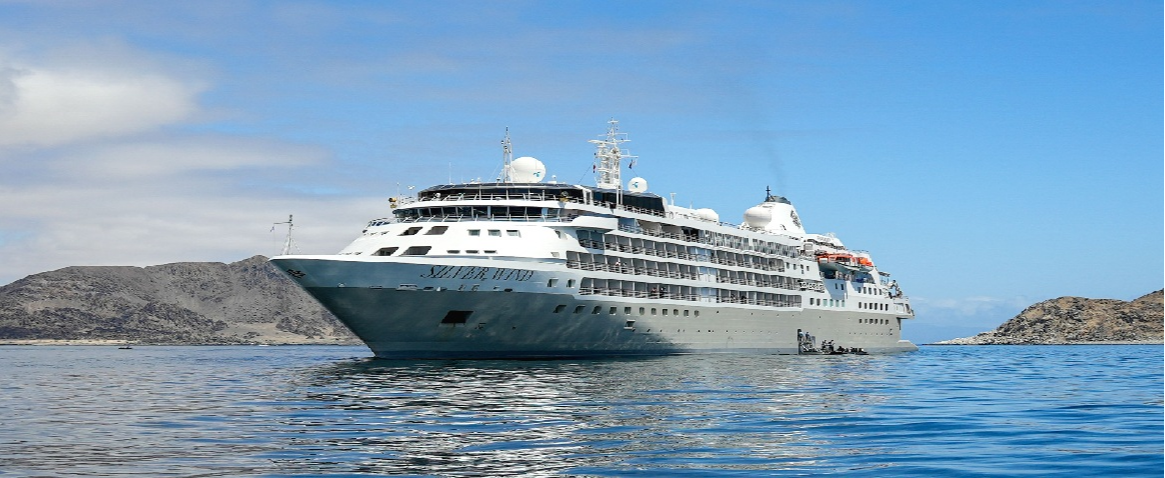
| 26 October | 14 nights | One-way from Puerto Williams to King George Island Antarctica |
450-628-6241
Call us
|

South Shetland Islands, Antarctica | Cruise Port Guide
Frequently Asked Questions
Between the Drake Passage and the Antarctic Peninsula. They form a chain of volcanic islands, four fifths covered in ice, and are the busiest gateway to Antarctica : almost every expedition out of Ushuaia takes its first polar steps here.
Most often Half Moon, Deception and King George Island. Each plays a different role : the penguin colony, the navigable volcano and the international polar village.
A crescent of land about two kilometres long where many ships begin. Chinstrap penguins form a large colony there, alongside a small group of gentoos, while Wilson's storm petrels nest in the scree and fur seals patrol the shore.
Because the island is a collapsed volcanic cone, still active, whose caldera forms a body of water about twelve kilometres across. Ships slip in through a narrow gap between two cliffs, Neptune's Bellows, then anchor in one of the safest natural harbours in the world.
At Whalers Bay on Deception : rusted tanks, collapsed huts and scattered bones. The island held thirteen floating or shore based factories in the 1914-1915 season. Near the Half Moon landing site lies the hull of an old whaling boat, aground since the early 1900s.
Some travellers attempt the polar plunge at Pendulum Cove on Deception, in water warmed by the volcano. It is brief, still freezing, and nobody forgets to tell the story afterwards.
Chinstrap and gentoo penguin colonies, Wilson's storm petrels in the scree, fur seals on the shores, skuas and kelp gulls above the ruins. Seals regularly haul out on drifting floes.
By zodiac, on gravel or volcanic sand beaches. There is no pier anywhere in the archipelago, and every outing depends on wind, swell and ice assessed that same morning by the expedition team.
Because Deception's volcanic activity has not stopped. On some shores steam rises from the black sand and sulphur hangs in the air, a striking contrast with the snowfields hanging above.
November through March, the austral summer. November brings the snowiest landscapes, January the chicks in the colonies, and February and March the best odds of seeing whales.


