Formentera Island La Savina, Balearic Spain

32 Cruises availables At departure or passage at this port

Costa Cruises (32 Cruises)

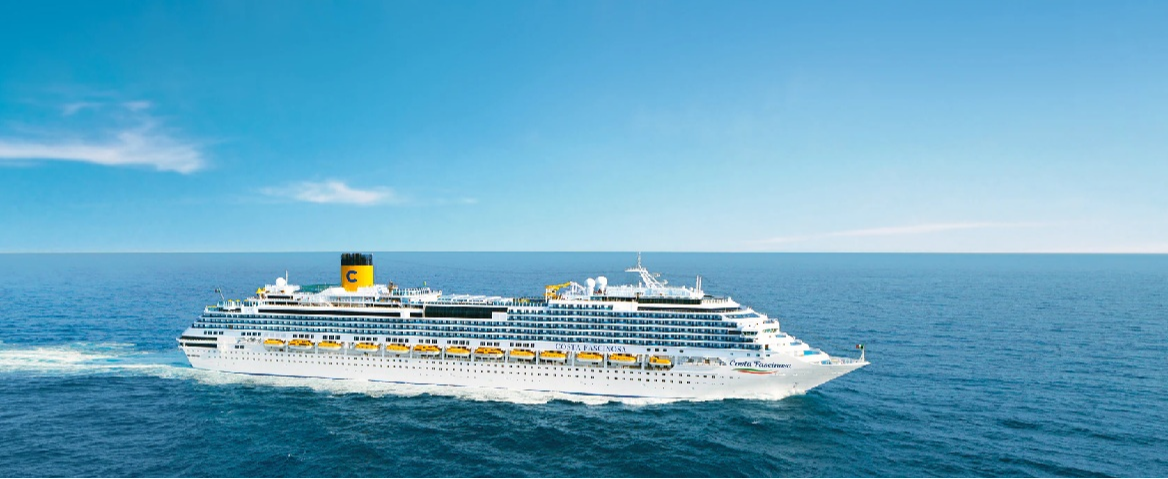
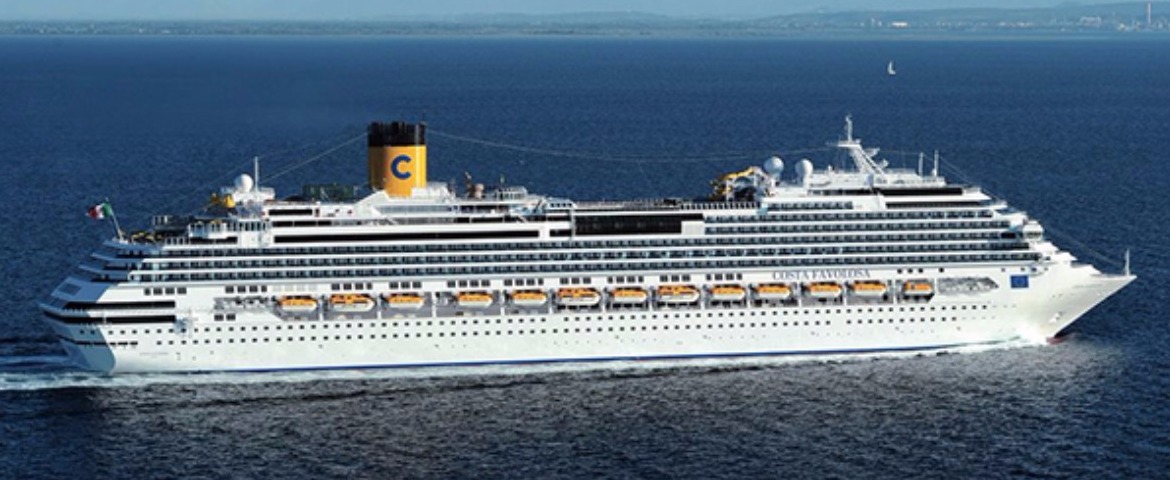
Costa Fascinosa.

Costa Fascinosa

4108 Passengers
114 tons
Visit the ship's page

The first thing you notice is the colour of the water. A gradient of turquoise and pale green that seems borrowed from tropical lagoons, set right here in the middle of the Mediterranean, around the smallest of the major Balearic Islands. Formentera, Ibiza's quiet neighbour, has built its reputation on that clarity and on a bicycle-powered way of life that ship passengers pick up within minutes of arriving.

La Savina, a Human-Scale Landing Point

Ships anchor off the island, whose only true harbour, La Savina, opens onto the north coast. Passengers reach dry land by tender and step ashore amid the quiet comings and goings of ferries arriving from Ibiza, half an hour away by sea. No oversized terminal, no wide boulevards: just a few cafés, palm trees, and bike and scooter rental shops set up right behind the ferry terminal. Within five minutes, it's sorted: hop on your bike and the island is yours.

The Island from the Handlebars

Formentera lends itself to cycling like few other places in the Mediterranean: nearly flat terrain, short distances, and a network of marked green routes winding between dry-stone walls, fig trees, and drowsy fields. From the pier, one route leads in a quarter hour of pedalling to the northern beaches, while another heads toward Sant Francesc Xavier, the island's capital, 3.5 kilometres away. This sizeable village of low white houses is arranged around a shaded square and a strikingly austere fortress-church. Here you can pick up bread, fruit, a straw hat; above all, you get a feel for the local pace, which knows nothing of rushing. Helmet adjusted, water bottle filled, riders then set off again with no fixed plan: the island forgives detours, since the distances always stay manageable.

Ses Illetes, the Beach That Became a Legend

At the tip of the sandbar extending the island northward stretches Ses Illetes, regularly ranked among the most beautiful beaches in Europe. The pale sand slopes gently into clear water where boats seem to float in mid-air, and the strip of land is so narrow you can walk from one shore to the other in just a few steps. Visitors can rent a parasol, swim for as long as they like, walk out toward the point, or simply sit and watch the sailboats go by. The ride back to La Savina wraps up effortlessly, with the sea breeze at your back.

The Simple Pleasures of an Unassuming Island

Formentera cultivates a simplicity that feels restorative. A lunch of grilled fish at a beach shack, a lemonade in the shade of a reed awning, one more dip before returning the bike: the itinerary fits in just a few words, yet it fills the whole day. Photography enthusiasts will want to watch for fishing boats tucked into their wooden shelters right at the water's edge, images of a Mediterranean many thought had disappeared. As for swimmers with a mask, they'll find seagrass beds and curious fish just below the surface, the water staying remarkably clear several metres down.

A Turquoise Farewell

From the deck, as the ship departs, the water puts on its gradient show once more, even more striking in the evening light. Formentera holds no one back by force: it simply lets everyone leave with the certainty of having cycled, swum, and wandered through one of the last truly peaceful corners of the Balearics. That certainty travels well, and it plants the idea of a next summer.

Frequently Asked Questions

By tender. Ships anchor offshore and passengers land at La Savina, the island's only real harbour, on the north coast. You step off into the quiet comings and goings of the ferries from Ibiza.
No, and that is rather the point. A few cafés, some palms, the ferry building and, right behind it, the bicycle and scooter rentals. Sant Francesc Xavier, the island capital, is 3.5 kilometres away.
Because the island is built for it: almost flat, short distances, and a network of waymarked green routes running between dry-stone walls and fig trees. From the landing, fifteen minutes of pedalling reaches the northern beaches.
Rent a bike, ride to Ses Illetes, swim at length, come back through Sant Francesc Xavier. That is the full programme and it fits comfortably into a port call.
The beach that made Formentera's name, regularly listed among Europe's finest. Pale sand shelves gently into water so clear the boats appear to float in mid-air. The spit is so narrow you can cross from one shore to the other in a few strides.
A large village of low white houses arranged around a shaded square and a strikingly bare fortress-church. You can buy bread, fruit, a straw hat. Mostly you get the measure of the local pace, which has no idea what hurrying is.
Yes, if the children can manage a bike or a trailer. The beaches are shallow near shore and the island is safe. The tender operation does, however, ask for some patience with very young children.
Yes. A mask is enough to see seagrass and fish several metres down. It is that transparency, more than any monument, that brings people back.
It is wise. Cards work in shops and restaurants, but bike rentals, beach chiringuitos and small kiosks sometimes prefer cash. The currency is the euro; Catalan and Spanish are both spoken.
May to October, for swimming and cycling. July and August are hot and the island fills with day visitors from Ibiza; May, June and September give you the same water with far fewer people on the sand.