Lome-Togo Togo
Togolese Rep
9
Cruises availables
At departure or passage at this port
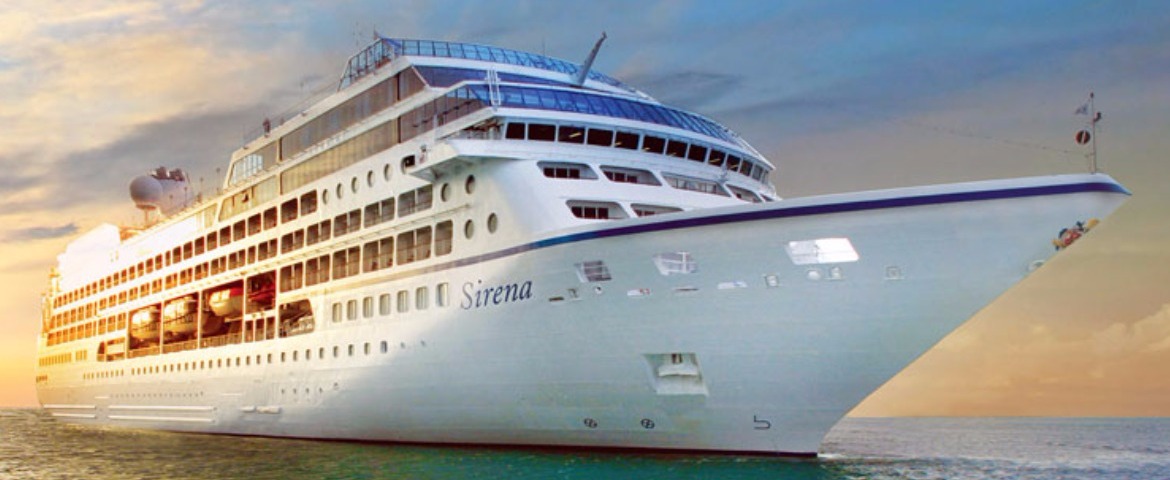
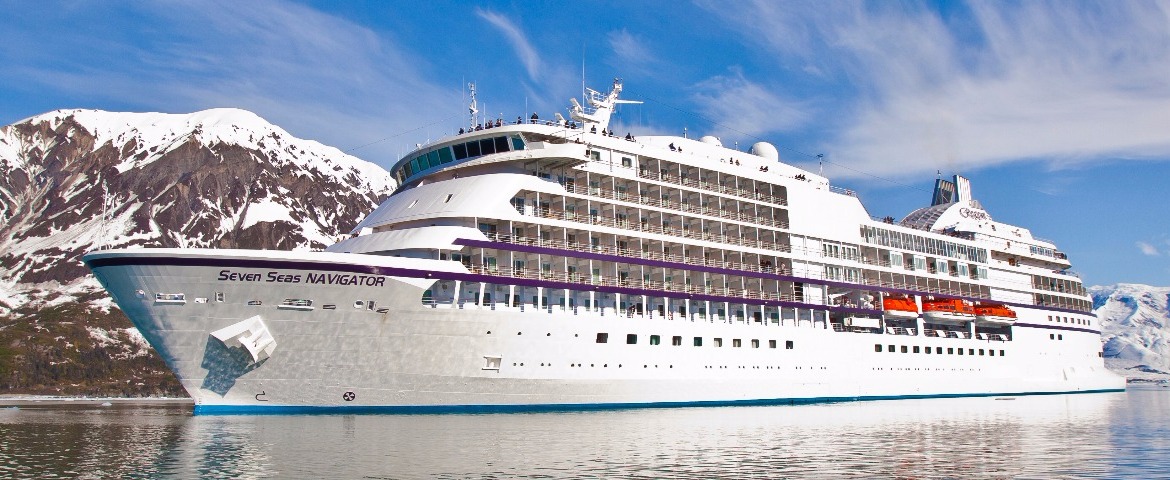
Oceania Cruises (4 Cruises)

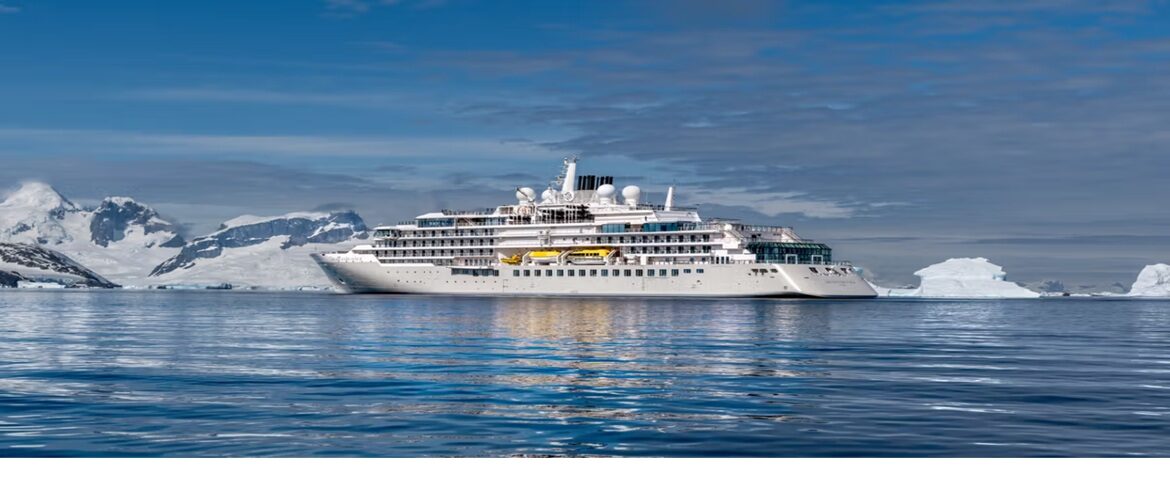
Silversea Cruises (1 Cruises)

Port of Lomé, Togo | Cruise Port Guide
Frequently Asked Questions
At the cruise terminal on the eastern side of the city. A shuttle crosses the port zone, after which urban traffic takes over, dense and loud. You cannot walk out of the port: the shuttle or an organised excursion are the only sensible ways to reach the centre.
The Grand Marché first, then the nearby cathedral and the fetish market with a guide. These three stops are all central and give a real measure of the capital. Excursions into the bush take a full day: you have to choose between the city centre and the interior.
The beating heart of the capital, spread over several floors and the surrounding streets: brilliantly patterned wax cloth, spices, kola nuts and just about everything traded between Accra and Cotonou. This is where the cloth traders have reigned for generations, respected figures of West African commerce.
Yes, but with a local guide who explains the role of talismans in traditional medicine. You'll see amulets, herbs and ritual objects tied to vodun, the religion born in this part of the Gulf of Guinea. The place unsettles North American assumptions; it means to be an honest window onto beliefs that are still very much alive.
Not everywhere, and never without asking. At the fetish market, photographs are negotiated or refused stall by stall: asking before you frame a shot is basic courtesy. The same rule applies to people at the Grand Marché and on the beach.
It isn't advisable. The coastal boulevard runs along a wide, windswept beach lined with coconut palms, but the currents there are dangerous. The walk, however, is worth it: fishermen haul their nets in by hand in a collective choreography unchanged for decades.
Two above all. The village of Sanguéra, about 45 minutes' drive north, hosts groups for traditional vodun ceremonies with drumming and dance. Other tours head for Mount Agou, the country's highest point, whose slopes shelter Ewe villages and the akpessé folk dance.
French, Togo's official language, which makes Lomé one of the rare African calls where a French speaker manages without an intermediary. Ewe and Mina are spoken day to day in the streets and at the market. English is not widely used.
The West African CFA franc. Cards are accepted only in a few hotels: bring cash, changed before you go ashore or at the port. Bargaining is the norm at the Grand Marché, and it is done with a smile, without aggression on either side.
It does take preparation, yes. Humid Gulf of Guinea heat, heavy traffic, frequent approaches from vendors, little tourist infrastructure. Leave valuables aboard and favour a guide. This West African call resembles nothing else on the itinerary, and that is exactly why it rewards a little preparation.


