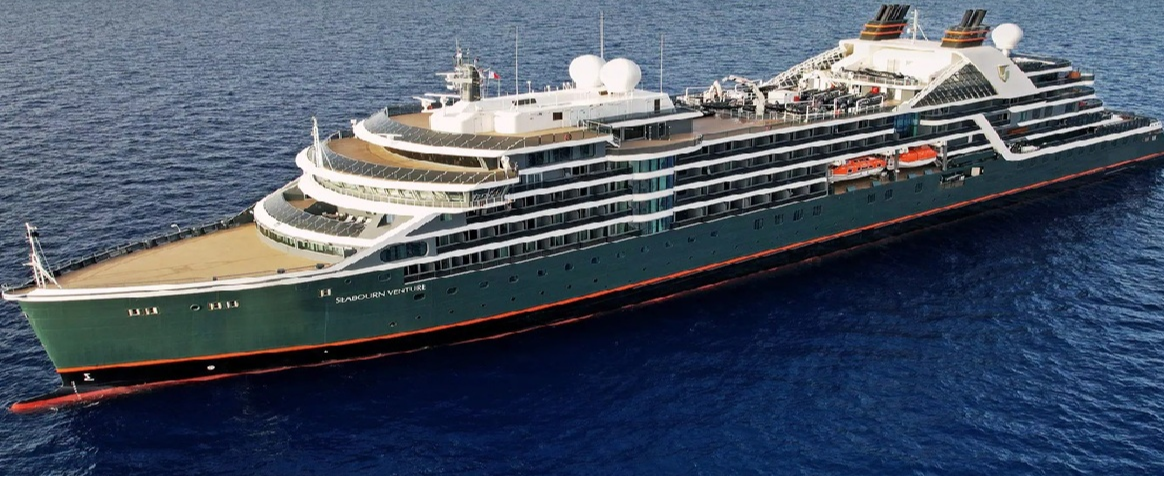
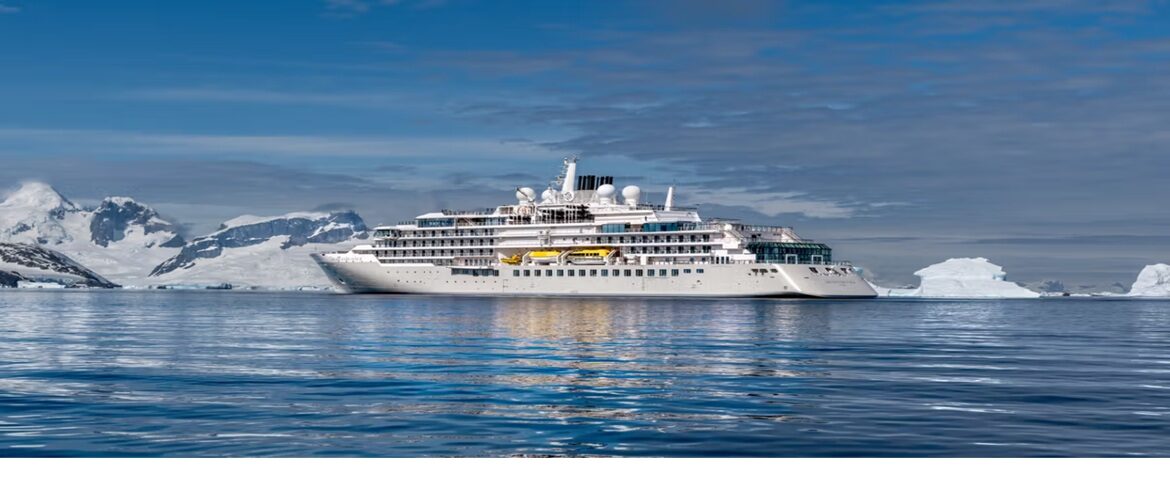
A single point on the map, halfway between Brazil and Africa. Ascension Island rises out of the South Atlantic like an unfinished volcanic construction site: cones of red and black ash, hardened lava flows, and, high above, a summit wrapped in greenery that seems to belong to another world entirely. Few ships ever stop here, and that's exactly what makes this port call so memorable. Every landing here still feels like an event.

Georgetown, a Pocket-Sized Capital

Arrival is by tender, into the small anchorage at Georgetown, the island's only real settlement. A handful of colonial buildings, a church, a former barracks and a general store make up most of this capital of just a few hundred people, where everyone greets everyone else. St Mary's Church serves a tiny community, and the small museum housed in the old fort tells two centuries of garrisons and stopovers: the island was militarized in 1815 to keep watch over Napoleon, exiled on nearby Saint Helena, before later becoming a relay station first for undersea cables and then for space communications. A British territory administered alongside Saint Helena, the island now runs on the rhythm of its communications stations and air base; there's no mass tourism here, and no mass-produced souvenir shops.

The Green Turtles of Long Beach

Just steps from the landing point, the long pale sands of Long Beach hide the island's real treasure: every year, from November to May, thousands of green turtles cross the ocean from the coast of Brazil to nest here. These giants, among the largest of their species, leave tracks in the sand that look almost like tractor furrows. Depending on the season and time of day, visitors may see the nests or, sometimes, hatchlings making their way to the sea, always from a respectful distance and without flashlights: guides' rules protect a ritual older than human settlement on the island itself.

Green Mountain, a Manufactured Oasis

The most striking contrast is found higher up. Green Mountain, rising to nearly 860 metres, was once as bare as the rest of the island; in the 19th century, a planting program inspired by Victorian-era botanists created an entire forest of bamboo, banana trees and ferns from nothing. Trails through the national park climb into this misty greenery to viewpoints with a full 360-degree view of the ocean. The road is narrow, and the excursion is done by guided vehicle, but the feeling of moving from volcano to jungle in thirty minutes is unforgettable.

Birds of the South Atlantic

The nearby cliffs and islets host impressive colonies: sooty terns by the hundreds of thousands, black noddies, red-billed tropicbirds, and the Ascension frigatebird, found nowhere else on Earth. Zodiac outings run along these noisy cliff faces, where the sky is never really empty.

  • Landing by tender, sometimes cancelled if the swell picks up.
  • Some stretches of the long beaches are unsafe for swimming due to currents; follow local guidance.
  • Turtle nesting runs from November to May, peaking between February and April.
  • Bring closed-toe shoes, sun protection and a windbreaker for the higher elevations.

As the tender heads back to the ship, Georgetown shrinks against its backdrop of ash, and Green Mountain keeps its cap of clouds. Ascension leaves behind the memory of a world apart, half volcano, half garden, where the turtles know the way better than people do. Ports of call this remote can be counted on one hand; this is one that's still being talked about years later.

Frequently Asked Questions

By tender, into the small anchorage at Georgetown. Landings are sometimes cancelled if a swell gets up: this is a remote South Atlantic call, and the sea has the last word.
Halfway between Brazil and Africa, in the middle of the South Atlantic. It is a British territory attached to Saint Helena, and few ships call there.
A few colonial buildings, a church, a former barracks and a general store make up most of this capital of barely a few hundred residents, where everyone greets everyone. The small museum in the old fort traces two centuries of garrisons and port calls.
In 1815, to keep watch over Napoleon exiled on Saint Helena. It later became a relay for submarine cables, then for space communications. The island still runs to the rhythm of its communication stations and air base: no mass tourism, no rack of souvenir shops.
Yes, from November to May, peaking February to April. Thousands of green turtles cross the ocean from the coast of Brazil to nest on Long Beach, steps from the landing. These giants leave tracks in the sand like tractor furrows.
Always at a respectful distance and without a flashlight. Guide instructions protect a ritual older than human occupation of the island itself. Depending on season and hour, you may see nests and sometimes hatchlings emerging.
The island's summit, at nearly 860 metres, once as bare as the rest of the territory. In the 19th century a planting programme inspired by Victorian botanists created from scratch a forest of bamboo, banana and ferns. The sense of going from volcano to jungle in thirty minutes is unforgettable.
By vehicle with a guide: the road is narrow and the outing must be organized. National park trails then climb through misty vegetation to viewpoints taking in the ocean through 360 degrees.
The cliffs and nearby islets hold impressive colonies: sooty terns by the hundreds of thousands, brown noddies, red-billed tropicbirds and the Ascension frigatebird, found nowhere else. Zodiac outings run along these noisy walls where the sky never empties.
Not everywhere: long stretches of beach are closed to swimming in places because of currents. Follow local guidance. Bring closed shoes, sun protection and a windbreaker for the altitude on Green Mountain.