Isle of Islay Port Ellen, Scotland
United Kingdom
7
Cruises availables
At departure or passage at this port
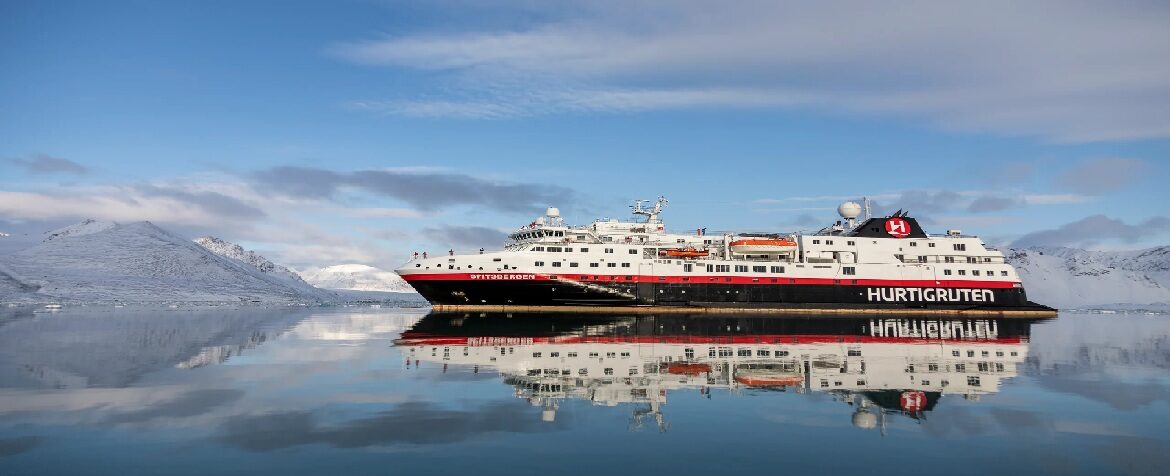
HX Expeditions (4 Cruises)

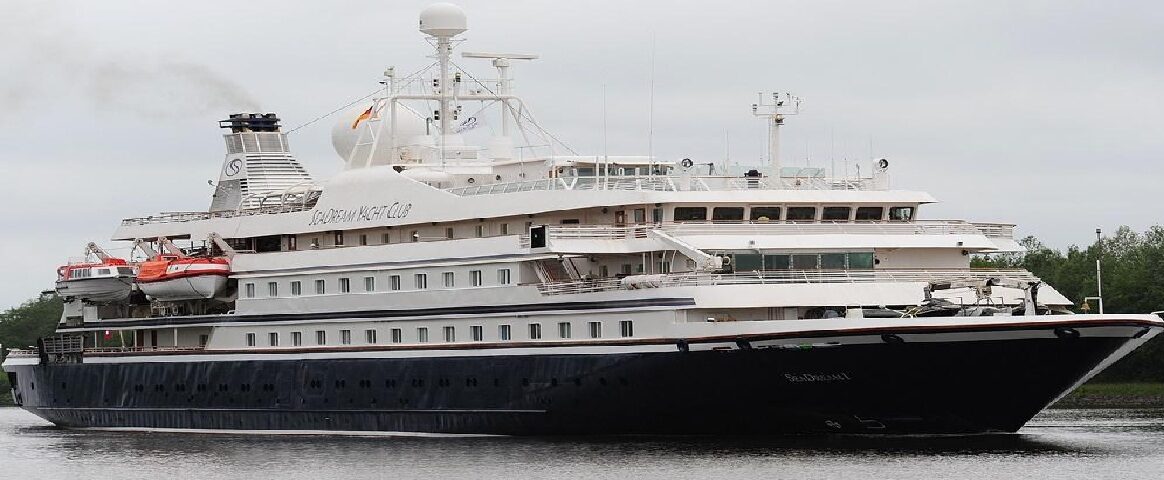
SeaDream Yacht Club (1 Cruises)

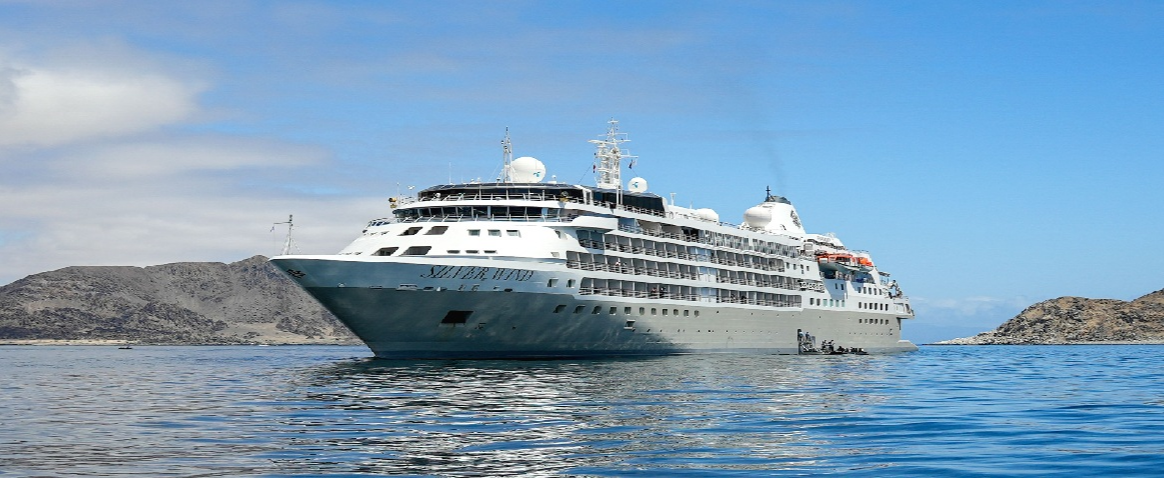
Silversea Cruises (2 Cruises)

Isle of Islay, Scotland | Cruise Port Guide
Frequently Asked Questions
Ships anchor in Port Ellen bay and tender passengers to the village. Port Ellen lines its whitewashed houses around a sandy bay: it is a starting point rather than a destination, and everyone here knows it.
Yes, and it is the great feature of this call. A paved path for walkers and cyclists follows the coast for five and a half kilometres, serving in order Laphroaig at about 1.5 km (20 minutes), Lagavulin at about 3.5 km (45 minutes) and Ardbeg at about 5.5 km (1 hr 10).
The three-distillery path, quite simply. Count the walk both ways plus tour time: one distillery and the return fits in three hours, two in five or six. Passengers in a hurry find taxis and shuttles near the quay.
Yes, especially in summer: places go quickly. Guided tours explain malting, the role of peat and cask maturation, before a tasting in rooms smelling of oak and iodine. Without a booking you risk walking all that way to a closed door.
Because the malt is dried over local peat smoke, and because the warehouses where thousands of casks sleep stand facing the spray. That double influence — peat and sea — explains the maritime, smoky character of the whiskies here. The smell reaches you before the land does, as soon as the wind turns.
About ten in operation for barely more than 3,000 residents. Three of the most legendary — Laphroaig, Lagavulin and Ardbeg — follow one another along the same coast road, within walking distance of the landing.
Rocky coves where seals laze, lichen-covered ruins and moorland grazed by sheep. At Lagavulin, a short path leads to the remains of Dunyvaig Castle, a former stronghold of the Lords of the Isles perched on its promontory.
Only moderately. The coastal path is flat and pleasant with children, but the call revolves around whisky and distillery tours are not for minors. The village of Port Ellen itself is crossed in a few minutes.
A main street, a shop, a few cafés and fishermen unloading creels and nets. Founded in the 1820s and named after the laird's wife of the day, the village keeps the plainness of Victorian working towns.
Pounds sterling and English, with Gaelic still present in the place names. The best window runs May to September for the long days; it is also the distilleries' high season, which is why booking matters. Tendering ashore depends on conditions in the bay.


