Portrush, Northern Ireland | Coastal Travel Guide

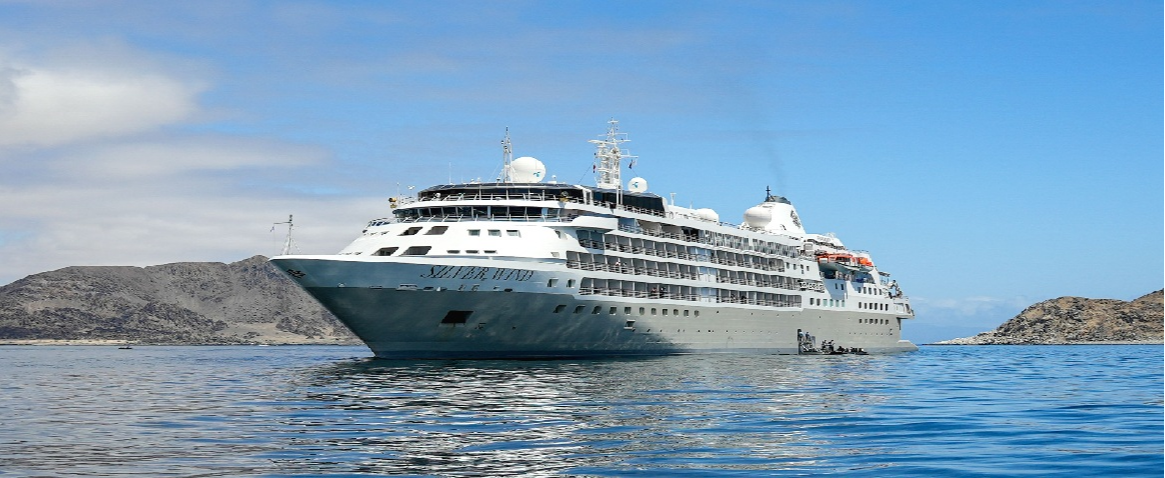
Forty thousand basalt columns less than half an hour from the landing: that is what sets Portrush apart from almost every other port of call in the British Isles. The small Northern Irish seaside resort, set on a peninsula between two long beaches, serves as the gateway to the Causeway Coast, one of the most spectacular coastlines in Europe. Ships anchor offshore and bring their passengers ashore by tender to the harbour quay, right in the centre. The port call comes down to a happy choice: explore along this volcanic coast or savour the resort itself.

Ramore Head, a first look around

Before heading for the motorcoaches, treat yourself to the Ramore Head trail, a coastal loop of about fifteen minutes that starts from the landing. From the grassy point, the view takes in the dark cliffs of the Antrim coast, the Skerries islands offshore and, on clear days, the hills of Scotland. It is an excellent summary of what the day holds: volcanic rock, short grass and a sea that changes colour with every cloud.

The Giant's Causeway, the stone organ

The day's most popular site lies about fifteen kilometres to the east. Formed by ancient lava flows, the Giant's Causeway lines up its tens of thousands of hexagonal columns that descend into the Atlantic like the steps of a titan's staircase; legend attributes it to the giant Finn McCool. A UNESCO World Heritage Site, the only one in Northern Ireland, it can be explored on foot from the visitor centre along a gently sloping path. Allow about two hours on site to walk to the Organ, climb to the viewpoints and wait out the showers. Clifftop trails extend the walk toward the neighbouring bays for those who want to escape the crowds.

Dunluce, the castle on the edge

On the way to the site, the ruins of Dunluce Castle stand on a promontory eaten away by the sea. Built from the 13th century onward, the fortress of the MacQuillan and then MacDonnell clans seems ready to topple into the waves; part of its kitchens is said to have collapsed into the sea in the 17th century, according to local lore. The stop is worthwhile, if only for the silhouette of its towers against the Atlantic. The 402 bus, which links the centre to the Causeway, stops there along the way; taxis and organized excursions do the same, with departures a few streets from the harbour.

Beaches, arcades and a treat

Back in the resort, two large beaches frame the peninsula: East Strand, a long curve of sand backed by dunes, and West Strand, facing the sunset. Surfers gather here year-round, and on days with a swell, the Atlantic rollers put on a free show for those on the promenade. The centre keeps an old-fashioned holiday air, with its ice cream parlours, amusement arcades and fish and chip counters. Golf fans will also recognize Royal Portrush, host of The Open, whose rolling fairways run along the sea on the edge of town; in tournament years, the whole region lives to the rhythm of golf.

Back on board

On the way back, the tender pulls away from a coast that seems carved with an axe: black cliffs, green grass and white foam. Portrush will have offered a day packed with powerful images, and yet the map of the region is dizzying: the Carrick-a-Rede rope bridge, the Bushmills distillery and the Glens of Antrim. This coastline does not close itself off after a single visit; it merely sets the tone.

Frequently Asked Questions

At anchor. Ships anchor offshore and tender passengers to the harbour quay, right in the centre of town. Portrush sits on a peninsula between two long beaches, in Northern Ireland.
The Giant's Causeway, about fifteen kilometres east, is the main event. Allow roughly two hours on site plus travel. If you prefer to stay, the Ramore Head path starts at the landing and loops round in about fifteen minutes.
Tens of thousands of hexagonal columns formed by ancient lava flows, stepping down into the Atlantic like a titan's staircase. Legend credits the giant Finn McCool. It is the only UNESCO World Heritage site in Northern Ireland.
About two hours on site: enough to walk down from the visitor centre on a gentle path to the columns, climb to the viewpoints and let the showers pass. Cliff paths extend the walk to neighbouring bays for anyone wanting to escape the crowds.
Ruins standing on a headland eaten away by the sea, on the road to the Causeway. Built from the 13th century onwards, the stronghold of the MacQuillan and later MacDonnell clans looks ready to tip into the waves. Part of its kitchens did in fact fall into the sea.
The Ramore Head path, a coastal loop of about fifteen minutes. From the grassy point, the view takes in the dark cliffs of the Antrim coast, the Skerries islands offshore and, on a clear day, the hills of Scotland.
Yes, a small Northern Irish resort between two long beaches. You can happily spend the whole call without boarding a coach: the harbour, the promenade and the beaches will fill a relaxed half-day.
Yes. Beaches frame the town, the Ramore Head path is short, and the columns of the Giant's Causeway fascinate children. Watch for slippery rocks on the site and cliff edges that are unfenced in places.
Pound sterling and English. Northern Ireland is part of the United Kingdom: the euro used in the Republic of Ireland is not legal tender here. Cards are accepted everywhere, including at the Causeway visitor centre.
May to September, when the days are long and the Causeway site is fully open. Bring a waterproof regardless: on this coast the sea changes colour with every cloud and showers pass quickly.