Rathlin Island Northern Ireland
United Kingdom

22 Cruises availables At departure or passage at this port
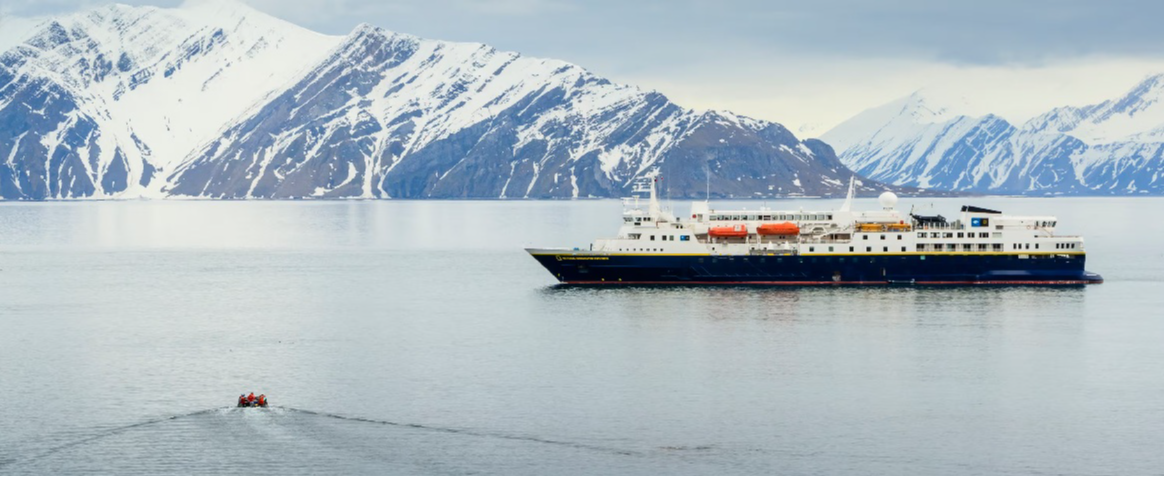
Seabourn Cruise Line (20 Cruises)

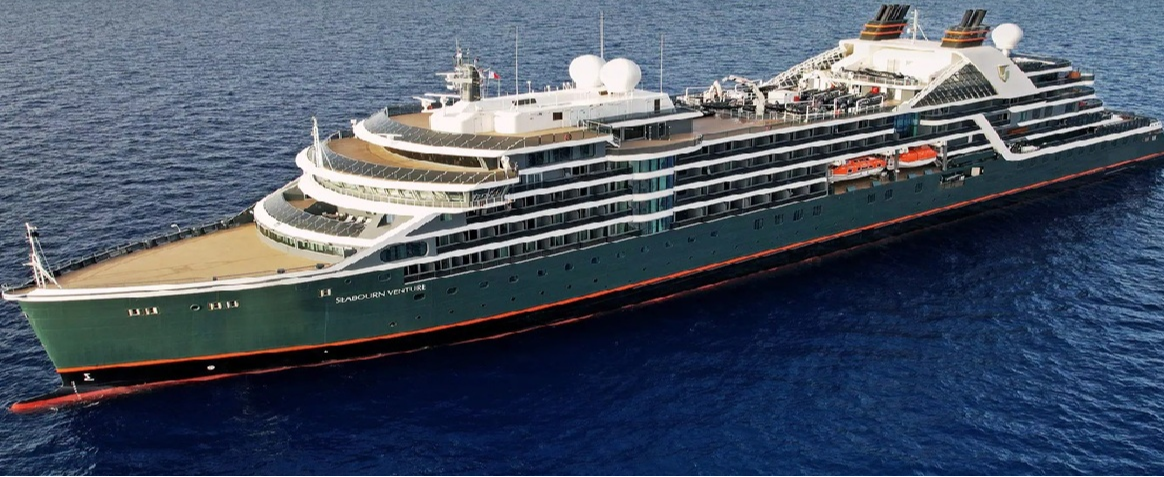
Seabourn Venture

Seabourn Venture

Visit the ship's page

Rathlin Island, Northern Ireland | Cruise Port Guide

A hundred and fifty residents, thousands of seals and, in the warm season, tens of thousands of seabirds: Rathlin's demographics set the tone for the port call. This L-shaped island, the only inhabited island in Northern Ireland, watches over the strait that separates it from the Antrim coast, about ten kilometres from Ballycastle. Expedition ships land their passengers by tender in Church Bay, a tiny harbour that is home to the grocery store, the pub and the Boathouse visitor centre. The public ferry from Ballycastle takes less than an hour, which brings the island its day visitors from the mainland.

Church Bay, the hamlet around the pier

The landing plunges you straight into island life: a few white houses in an arc, stacked crab pots, a discreet bell tower. The Boathouse, set up in the old lifeboat shed, tells of shipwrecks, kelp harvesting and the daily life of a community that came close to being abandoned before bouncing back. Grey seals often lounge on the rocks of Mill Bay, a short distance from the landing, indifferent to photographers. The pub next door serves seafood chowder and soda bread, and conversations flow easily from one table to the next.

The upside-down lighthouse and the bird cliff

At the western tip of the island, about seven kilometres from the hamlet, the West Light defies logic: its buildings crown the cliff and its lantern sits at the very bottom, just above the waves, hence its nickname of the upside-down lighthouse. The RSPB seabird centre that surrounds it overlooks one of the largest seabird colonies in Ireland. From late April to mid-July, puffins, razorbills, guillemots and kittiwakes cover the cliff faces by the thousands; the din and the smell are part of the show. Bring binoculars: outside the nesting season, seals, peregrine falcons and, with luck, the island's famous golden hare make up another picture. A seasonal shuttle, the Puffin Bus, links the harbour to the site in about twenty minutes; walkers should allow about an hour and a half along the narrow road, and bikes can be rented near the harbour.

Robert the Bruce's Cave

Rathlin also cultivates its Scottish legend. In 1306, King Robert the Bruce of Scotland, taking refuge in a sea cave beneath the island's eastern point after a defeat, is said to have found his courage by watching a spider tirelessly rebuild its web. The story, handed down for seven centuries, suits this island perfectly, where persistence remains an everyday virtue. The eastern point also has a second lighthouse, facing Scotland's Mull of Kintyre, visible on clear days. The Boathouse also sells maps and trail guides for those who prefer to improvise their day.

Planning your island day

RouteMeansApproximate time
To the West LightSeasonal Puffin Bus20 minutes
To the West LightOn foot90 to 120 minutes
To Mill Bay and its sealsOn foot10 minutes

Seats on the Puffin Bus go quickly on busy days: head for the stop as soon as you step off the tender if the birds are at the top of your list.

Leaving the strait

As the tender crosses back over the strait, the island is already reduced to a few pale rooftops between two cliffs, and you understand why its residents are so determined to stay. Rathlin offers what few port calls still provide: nature teeming with life and a community that takes the time to greet visitors. The puffins will head back out to sea in July; travellers, for their part, leave wanting to follow their example one day and come back to nest here a few hours longer.

Frequently Asked Questions

Expedition ships land passengers by tender at Church Bay, a tiny harbour where the shop, the pub and the Boathouse visitor centre are all gathered. Rathlin is the only inhabited island in Northern Ireland.
The hamlet at Church Bay and the Boathouse first, then the West Light at the western tip, about seven kilometres away. A seasonal shuttle, the Puffin Bus, links the harbour to the site in about twenty minutes; walkers can go on foot.
The West Light at the island's western end: its buildings sit on top of the cliff while its lantern is right at the bottom, just above the water, hence the nickname. The RSPB viewpoint around it overlooks one of the largest seabird colonies in Ireland.
From late April to mid-July. Puffins, razorbills, guillemots and kittiwakes then cover the cliffs in their thousands, and the noise and the smell are part of the spectacle. Bring binoculars.
Seals, peregrine falcons and, with luck, the island's famous golden hare. Grey seals often haul out on the rocks of Mill Bay, a short distance from the landing point, entirely indifferent to photographers.
The island's visitor centre, housed in the former lifeboat shed. It covers shipwrecks, kelp harvesting and the daily life of a community that came close to being abandoned before it rebounded. It is the best starting point for understanding the island.
About a hundred and fifty, alongside thousands of seals and, in season, tens of thousands of seabirds. That demographic sets the tone of the call better than any description.
A pub near the quay, serving seafood chowder and soda bread. Conversation moves easily from table to table: it is as much a meeting place as a restaurant. The shop covers the rest if you prefer a picnic.
Yes for families who enjoy the outdoors. The Mill Bay seals are a short walk from the landing, the Puffin Bus avoids the long trek, and the Boathouse interests children. The cliff edges at the West Light, however, call for vigilance.
Pound sterling and English. Northern Ireland is part of the United Kingdom: the euro is not legal tender. Bring some cash, as the island is small and payment connections can be temperamental.