Skomer Island Wales
United Kingdom
22
Cruises availables
At departure or passage at this port
Seabourn Cruise Line (22 Cruises)
Seabourn Pursuit
8 Cruises


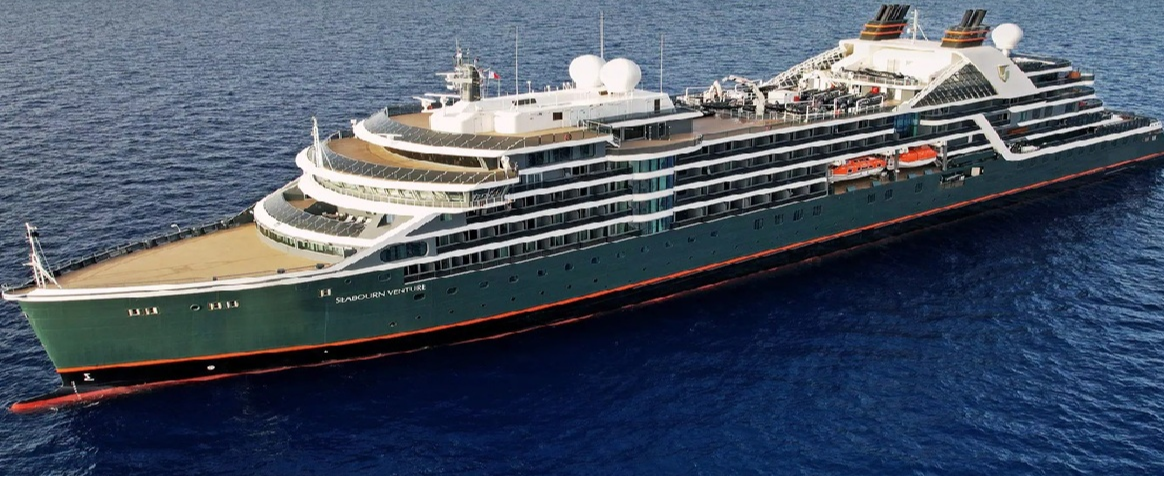
Seabourn Venture
14 Cruises
Frequently Asked Questions
At North Haven, a sheltered inlet where expedition ships put passengers ashore by zodiac. A staircase of roughly 87 steps then climbs the cliff to the plateau. The island has no quay and no harbour: landing depends on the state of the sea.
About 250. The reserve, run by the Wildlife Trust of South and West Wales, strictly caps landings to protect the colonies. Setting foot on Skomer during a call is a privilege rather than a formality.
From April to the end of July, peaking between May and July. Tens of thousands of birds occupy the burrows riddling the slopes, metres from the paths. The Wick, a dramatic cleft in the cliff, is the island's best viewing point.
Not on a daytime call. The island holds one of the world's largest colonies, but these pelagic birds return to their burrows only after dark. Day visitors will see the burrows, not their occupants.
Follow the waymarked paths, which circle the plateau in five to six kilometres with no real difficulty once the arrival staircase is behind you. The route skirts dark cliffs, crosses carpets of bluebells in spring and passes the remains of a nineteenth-century farm.
None. You must bring your own water, food and windproof clothing. Reserve volunteers meet each group at the top of the staircase and explain where you may and may not walk.
Yes. Grey seals haul out on the rocks of South Haven, often with their pups in late summer. Rabbits, introduced in the Middle Ages, keep the turf short where the bird colonies nest.
Some itineraries call at Martin's Haven, a tiny stone slipway at the end of the Marloes peninsula, from which a boat crosses Jack Sound in about fifteen minutes. The current churns dark green water where gannets from Grassholm come diving.
For families with children who walk, yes, provided you accept the arrival staircase and the total absence of services. Watching puffins from a few metres away is unforgettable, but the island has neither extensive facilities nor shelter from a downpour.
May to July, when puffins are feeding their chicks and bluebells cover the plateau. Outside that window the colonies empty out and the island loses most of what makes the detour worthwhile.


