St Kilda Islands Scotland Outer Hebrides
United Kingdom
38
Cruises availables
At departure or passage at this port
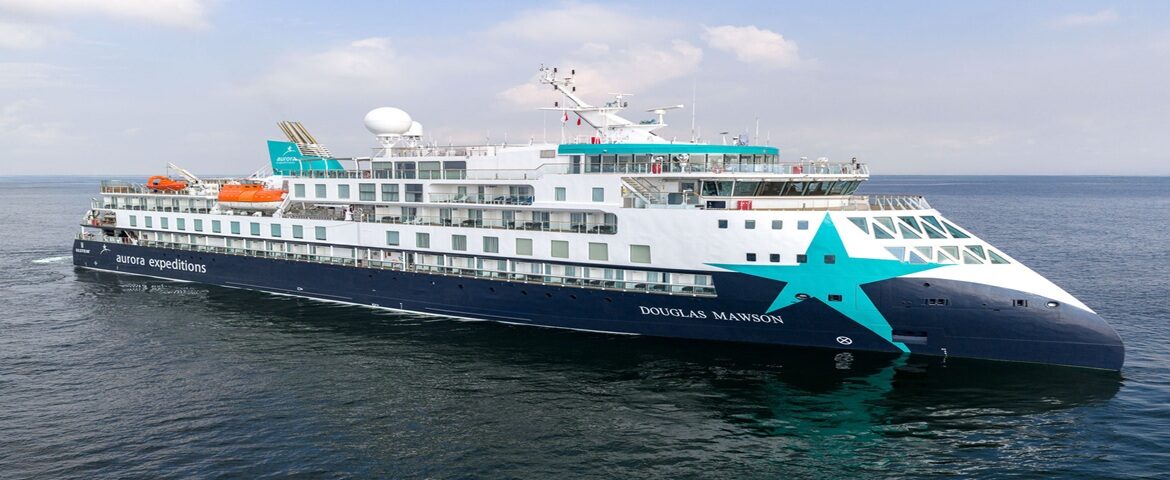

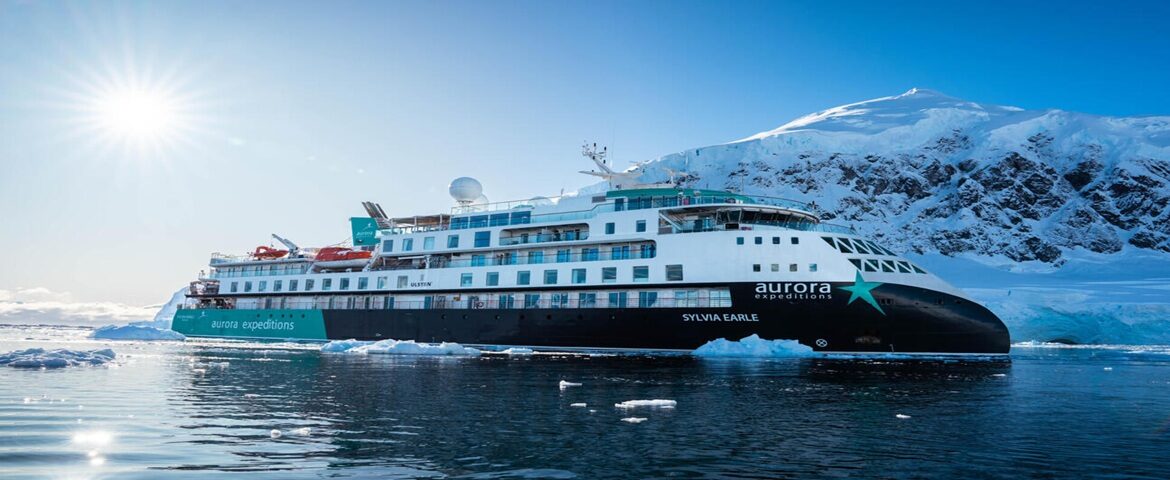
Ponant (1 Cruises)
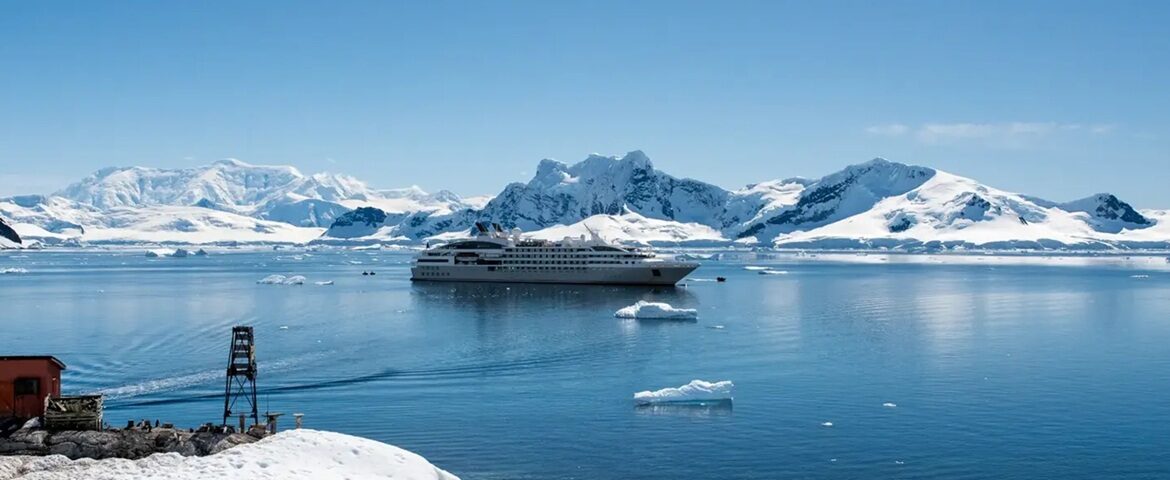



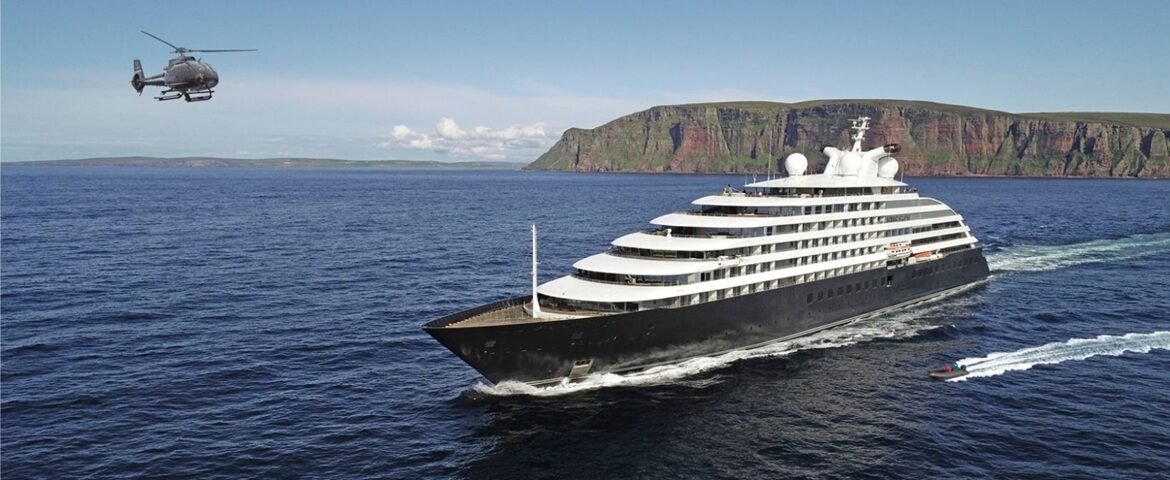
Seabourn Cruise Line (25 Cruises)
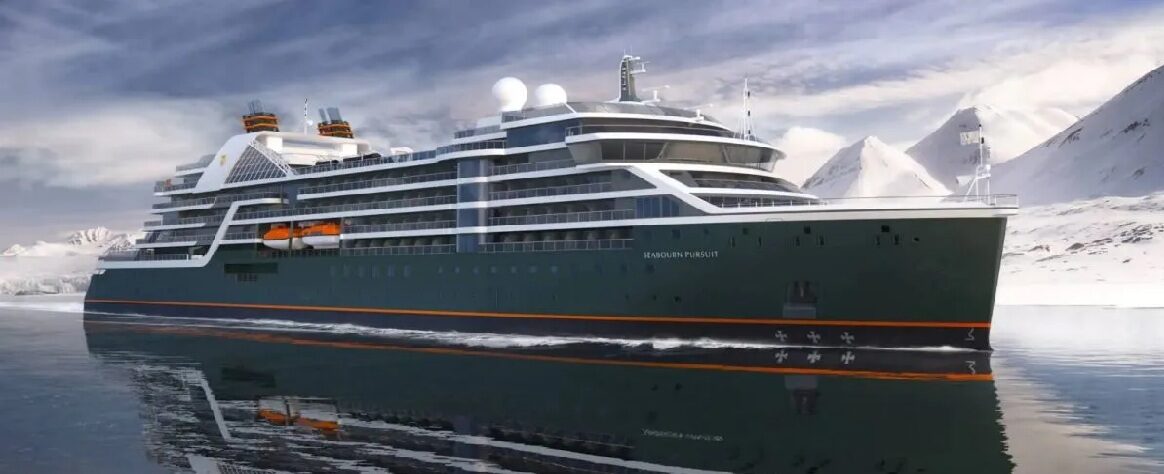
Seabourn Pursuit
9 Cruises

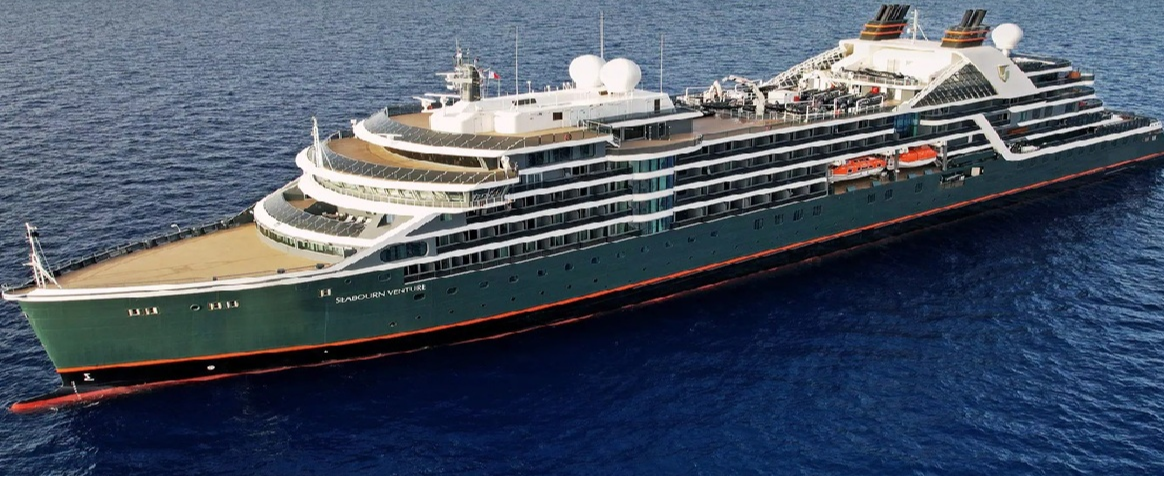
Seabourn Venture
16 Cruises


St Kilda, Scotland | Cruise Port & Travel Guide
Frequently Asked Questions
At Village Bay on Hirta, the main island, when the swell allows. Zodiacs put passengers ashore at a small landing; there is no quay. The archipelago lies 65 kilometres west of the Outer Hebrides, in open sea, and landing is never guaranteed.
Because UNESCO listed it on two counts, for its nature and for its culture: a rare distinction and the only one of its kind in Scotland. For two thousand years a community survived here on seabirds, climbing sheer cliffs barefoot to gather eggs, feathers and birds.
Not since a morning in August 1930, when the last 36 residents of Hirta boarded a ship, leaving the Bible open on the table and a little oatmeal in every house. A small radar station and National Trust for Scotland teams occupy the site today during the warmer months.
The row of nineteenth-century houses, partly restored, which you walk past in silence. A tiny museum occupies one of them, and the cemetery gathers the generations of a community that never exceeded two hundred souls. Soay sheep, a primitive breed left behind, graze among the ruins.
Drystone huts, in their hundreds, dotting the slopes of the archipelago. They were used to dry and store provisions, including birds and peat. They still stud the island like markers of a vanished way of life.
A daily gathering with no chief and no vote: each morning the men met in the middle of the village street to share out the day's tasks. This form of organisation fascinated the first Victorian visitors and remains the most-told story of the archipelago.
On the pinnacles of Stac Lee and Stac an Armin, near the island of Boreray off Hirta. They hold roughly 60,000 breeding pairs, one of the largest colonies in the world. Close to a million seabirds use the archipelago in season, from puffins to fulmars.
A slow cruise around the basalt towers of Boreray and the stacs, which ranks among the great moments of any Scottish voyage. As the hulls draw near, the air fills with a whirl of wings. Many itineraries build in this alternative from the outset.
Practically none. Bring water, a windproof layer and solid footwear: the ground rises quickly towards Conachair, whose cliffs are among the highest in the British Isles, dropping more than 400 metres into the sea.
May to August, when the bird colonies are at full strength and the sea a little kinder. Even then, Atlantic swell regularly cancels landings: travel prepared for the call to be a scenic sail-past instead.


