Tristan da Cunha Island Edinburgh, St Helena UK
United Kingdom

21 Cruises availables At departure or passage at this port

Seabourn Cruise Line (20 Cruises)

Tristan da Cunha | Cruise Port Guide

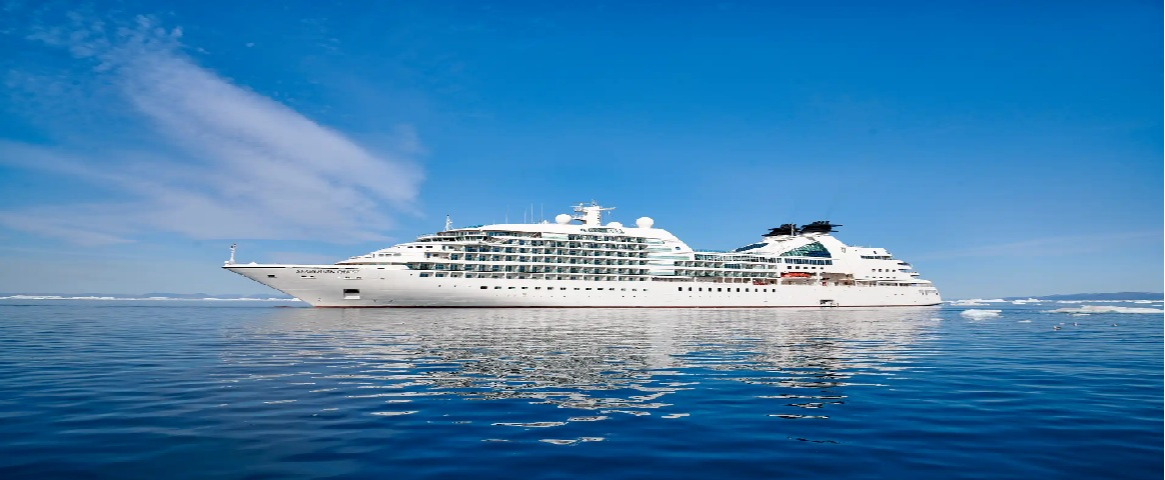
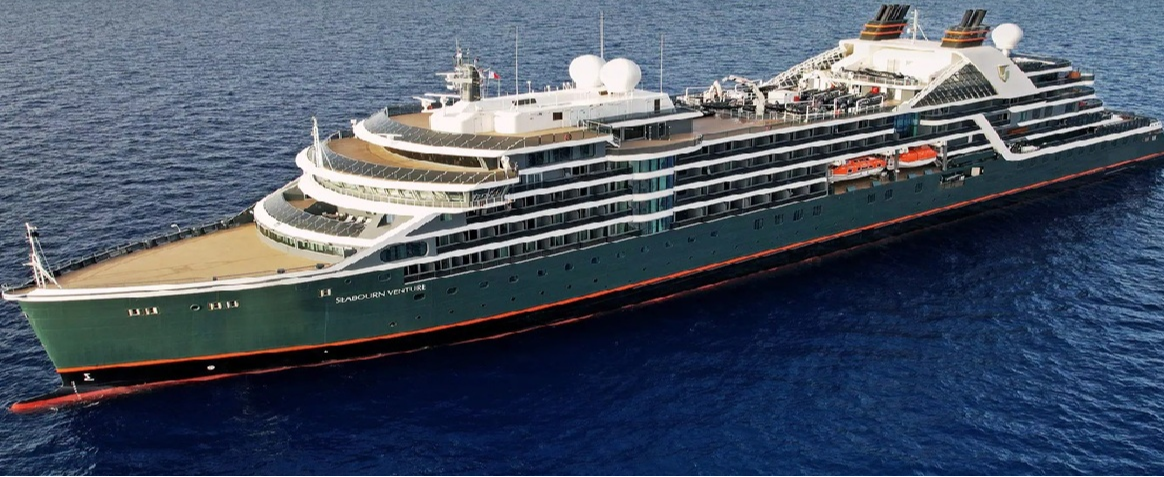
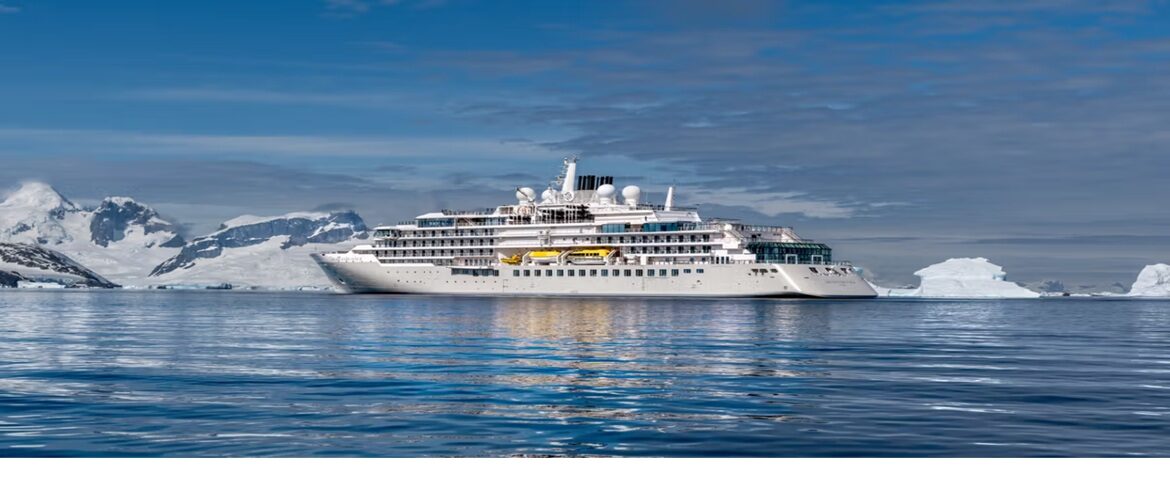
2,400 km from the nearest inhabited land, a volcano rises out of the South Atlantic: Tristan da Cunha, the most remote inhabited island on the planet. Its only village bears a name that says it all, Edinburgh of the Seven Seas, and is home to about 250 people sharing seven family names, descendants of a handful of 19th-century settlers. Ships that approach, whether expeditions bound for Antarctica or South Atlantic crossings, drop anchor offshore, since no facility can receive them. What happens next depends entirely on the ocean.

A port of call never guaranteed

Let's be frank: setting foot on Tristan is a privilege, not a certainty. The tiny Calshot Harbour, dug out for local fishing boats, closes as soon as the swell picks up, which happens on most days of the year; roughly one visit attempt in two fails. Captains wait for the right window, the Zodiacs are readied, and sometimes the sea has the final say: the call then turns into a slow scenic cruise along the cliffs, which is already a rare sight. Those who do make it ashore join a very exclusive club of travellers.

Edinburgh of the Seven Seas

The village is spread across a grassy plateau wedged between the ocean and the slopes of the volcano. Everything can be covered on foot in an hour: the low houses with colourful roofs, St Mary's Anglican church, the Albatross pub, the community café, the school and the post office, said to be the most remote in the world, where stamp collectors pick up stamps sought after on every continent. The residents, most of them lobster fishermen, welcome visitors with mutual curiosity: ships bring new faces to a community that sees only a handful of vessels a year.

The 1961 volcano

At the edge of the village, a black lava flow tells the founding episode of local memory. In 1961, an eruption forced the entire population to evacuate to England; two years later, against all expectations, almost all of the islanders chose to return. A small museum and the stories of the elders keep that memory alive, now a symbol of a fierce attachment to the island. Above, when the clouds allow, you can make out the silhouette of Queen Mary's Peak, a summit of more than 2,000 m crowned by a crater, which only guided hikers with a full day ahead of them can hope to climb: a goal beyond the reach of an ordinary port call.

Potatoes and lobsters

A road leads to the Potato Patches, plots of potatoes surrounded by low stone walls where each family tends its own patch, a tradition at the heart of the island economy since the very beginning. Along the way, the meadows are home to cows and sheep, and the view stretches to cliffs where seabirds nest. Tristan lobster, exported under a sought-after label, sometimes turns up on the ship's menu or at the local café; tasting it facing the island that produced it adds a special flavour. Artisans sell wool knitwear, postcards and souvenirs, a precious support for this end-of-the-world economy.

Whether the day ends with a successful landing or a simple tour of the island along the foot of the cliffs, Tristan da Cunha leaves a mark like few places can. You leave with the feeling of having come close to a unique human experience: a few dozen families, a volcano, an endless ocean, and a quiet dignity forged by isolation. Long afterwards, on the world map, your eye will search for that tiny dot in the middle of the South Atlantic, with the respect owed to places that do not let themselves be reached easily.

Frequently Asked Questions

No, and you should know it before you sail: roughly one visit attempt in two fails. The tiny Calshot harbour, cut for the local fishing boats, closes as soon as the swell rises, which is most days of the year. The call then becomes a scenic sail along the cliffs.
Offshore, since no facility on the island can take a cruise ship. Passengers reach Calshot harbour by zodiac when the captain judges the weather window favourable.
Because it lies about 2,400 kilometres from the nearest inhabited land, in the middle of the South Atlantic. Its single village, Edinburgh of the Seven Seas, has around 250 residents sharing seven surnames, descended from a handful of nineteenth-century settlers.
Everything is covered on foot in an hour: the low houses with coloured roofs, St Mary's Anglican church, the Albatross pub, the community café, the school and the post office, reputed the most isolated in the world, where collectors buy sought-after stamps.
A volcanic eruption forced the complete evacuation of the population to England. Two years later, against all expectation, almost every islander chose to return. A black lava flow still edges the village, and a small museum keeps alive this memory, now a symbol of local attachment to the island.
Not during a cruise call. Queen Mary's Peak rises above 2,000 metres and is only glimpsed when the clouds allow. The ascent takes several days, a permit and local guiding: it appears in no shore programme.
Crayfish fishing supports the community, alongside subsistence farming and island services. Residents greet visitors with reciprocal curiosity: ships bring new faces only a handful of times a year.
Sterling and English. Card payment is not reliable on the island: bring cash for the post office, the community café and local crafts.
Not really. This is an expedition call with no tourist infrastructure, an uncertain landing and zodiac transfers. It suits travellers who come for the rarity of the place and accept in advance that the sea may decide otherwise.
The southern summer, November to March, when expedition ships cross the South Atlantic and the swell leaves slightly more openings. Even then, no date removes the risk of the landing being called off.