Utqiaġvik, Alaska | Cruise Port Guide

At 71 degrees north latitude, the sun doesn't set from mid-May to early August. Utqiaġvik, long known as Barrow, sits at the northernmost point of the United States, more than 500 kilometres beyond the Arctic Circle. No trees, no roads coming in from the south: only tundra, the Arctic Ocean, and an Iñupiat community of about 4,500 people who have lived here for over a thousand years. The rare ships that stop here offer their passengers one of the most singular landings in the cruise world.

A Landing on Nature's Terms

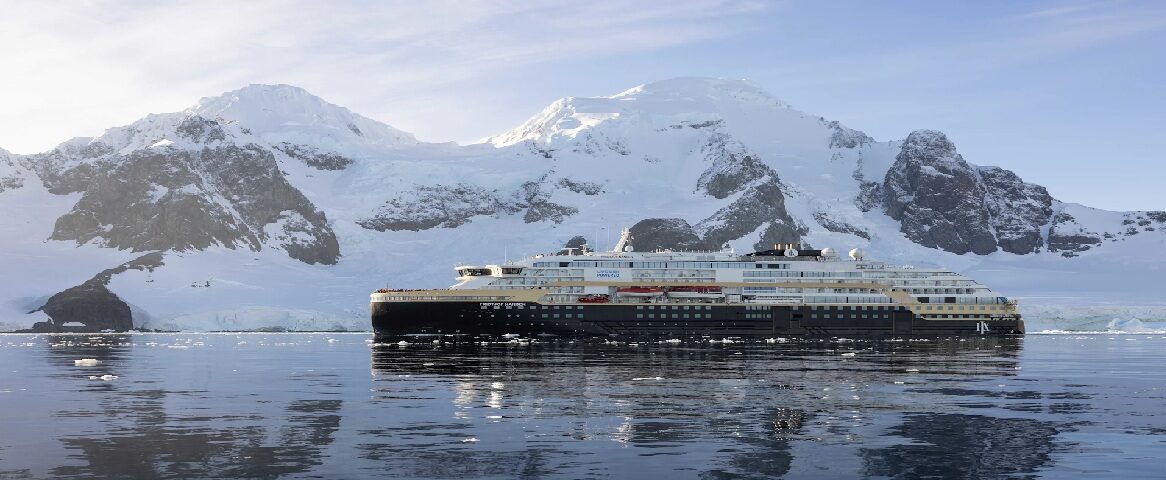
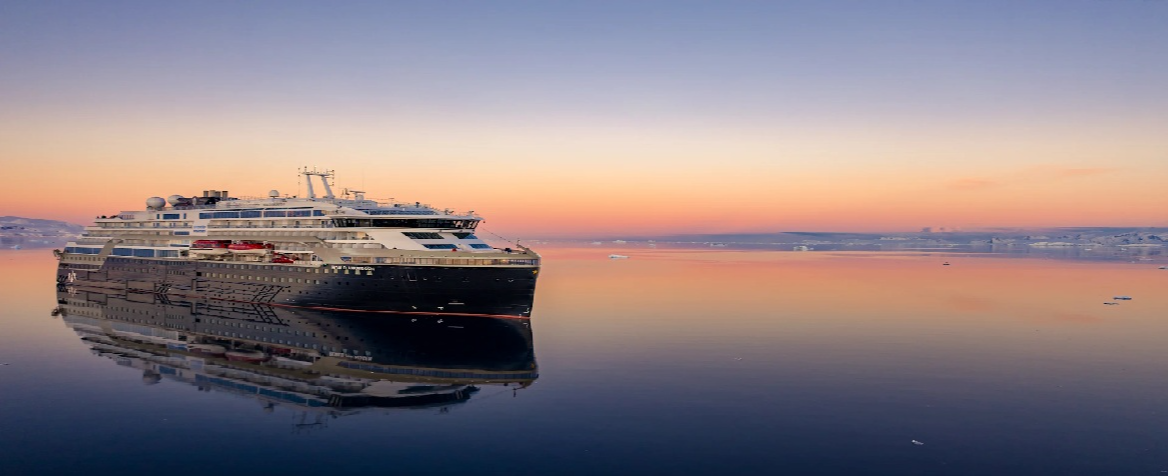
There's no deep-water dock at Utqiaġvik. Expedition ships anchor offshore and ferry passengers by inflatable boat to the gravel beach, when the sea and wind allow it. Arctic weather has the final say, and passengers need to accept that a landing can be delayed or cancelled. That uncertainty is part of the journey: you don't dock at the top of the continent the way you would at a Mediterranean terminal.

A Community at the Edge of the Land

Gravel streets, houses raised on stilts above the permafrost, snowmobiles parked by front doors in the middle of summer: everything here tells a story of adaptation to an extreme environment. Near the shore stands the bowhead whale jawbone arch that has become the community's emblem, an unlikely photo backdrop with the Arctic Ocean behind it. Residents met along the way are quick to say hello; visitors remain rare enough to draw curiosity.

The Iñupiat Heritage Center

The Iñupiat Heritage Center serves as the anchor point of the port call. This cultural centre displays artifacts, sealskin boats and stories that explain the thousand-year-old relationship between the Iñupiat and the bowhead whale, hunted in spring and fall according to rules passed down from generation to generation. Dance and craft demonstrations are held regularly, and the attached shop offers local creations, purchases of which directly support the artists. Visitors leave with a different understanding of what it means to live, not just survive, in the Arctic. The centre is affiliated with the New Bedford Whaling National Historical Park, a nod to the old ties between Massachusetts whalers and communities of the far north.

The Tundra and the Light

Northeast of town, the spit of land at Point Barrow marks where the Chukchi and Beaufort seas meet. The surrounding tundra, low and spongy, blooms with tiny flowers during the brief summer, and birdwatchers keep an eye out for eiders, loons and snow geese. Polar bears frequent the area depending on ice conditions; spotting one comes down to luck, and outings always go out with an escort. As for the midnight sun, it throws off internal clocks and gives photographs a golden tone found only at high latitudes.

Utqiaġvik (Barrow) Port Call at a Glance

  • Pack warm, windproof clothing, even in July: temperatures rarely climb above 10°C.
  • Tourist infrastructure is minimal; the port call plays out as an immersion, not a typical guided tour.
  • Respect hunting sites and community property along the shoreline, essential to local life.
  • Ask permission before photographing people, as you would anywhere, but with particular care in such a close-knit community.

The Top of the Continent

You leave Utqiaġvik with powerful images: a bone arch facing a sea either open or covered in ice floes, children on bikes under the midnight sun, a culture that has made a home out of one of the harshest environments on the planet. The ship resumes its course along the Arctic coast, and the low line of the tundra slowly fades away, leaving everyone to reflect on the privilege of having set foot at the very top of the map.

Frequently Asked Questions

Nowhere: there is no deep-water pier. Expedition ships anchor offshore and transfer passengers by inflatable to the gravel beach, when sea and wind allow.
Yes, and you should accept that in advance. Arctic weather has the final word: a landing can be delayed or scrapped. You do not step ashore at the top of the continent as you would at a terminal.
At the northern tip of the United States, at 71 degrees north, more than 500 kilometres beyond the Arctic Circle. No trees, no road from the south: only tundra and the Arctic Ocean.
Because the community restored its original Iñupiaq name, Utqiaġvik, in 2016. The name Barrow, inherited from a British administrator, still appears on several navigation documents.
Not from mid-May to early August: this is the midnight sun. Conversely, polar night lasts about two months in winter, but ships do not come in that season.
An Iñupiat community of around 4,500 people, settled here for more than a thousand years. Whaling remains central to social and food life: approach the subject with respect.
Walk the shore facing the Arctic Ocean, visit the Iñupiat heritage centre, see the whalebone arch and listen to residents describe their country. This is a call about meeting people, not shopping.
Layers, even in July: the Arctic wind drives the felt temperature well below what the thermometer says. A windbreaker, a warm hat and gloves earn their place in midsummer.
US dollars and English, with Iñupiaq still spoken in the community. Shops are few and prices high: everything arrives by plane or barge.
July to mid-September, when the sea ice has pulled back far enough to let ships through. It is a narrow window, and it shifts from year to year.