Baton Rouge Louisiana
690
Cruises availables
At departure or passage at this port
American Cruise Lines (628 Cruises)
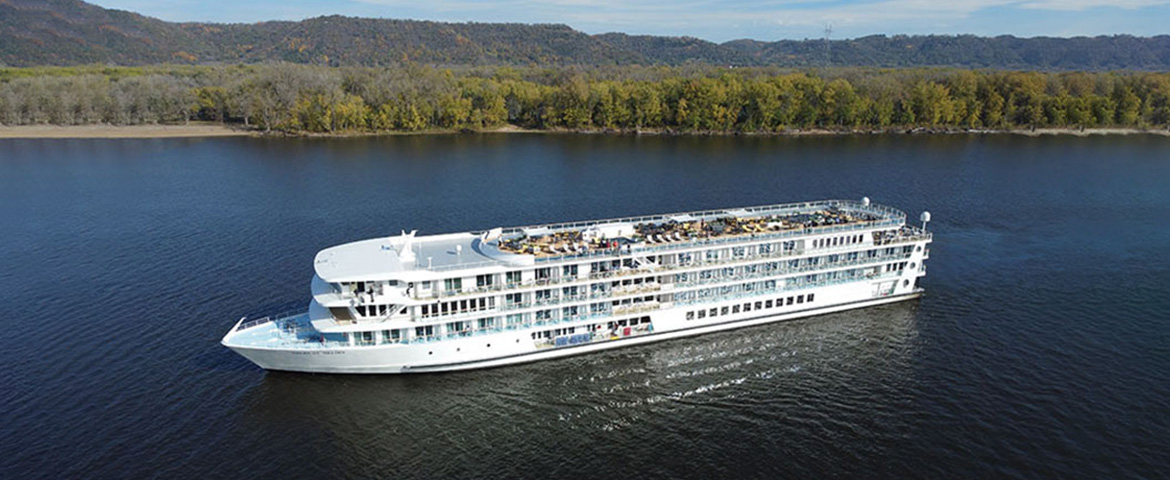
American Heritage
108 Cruises
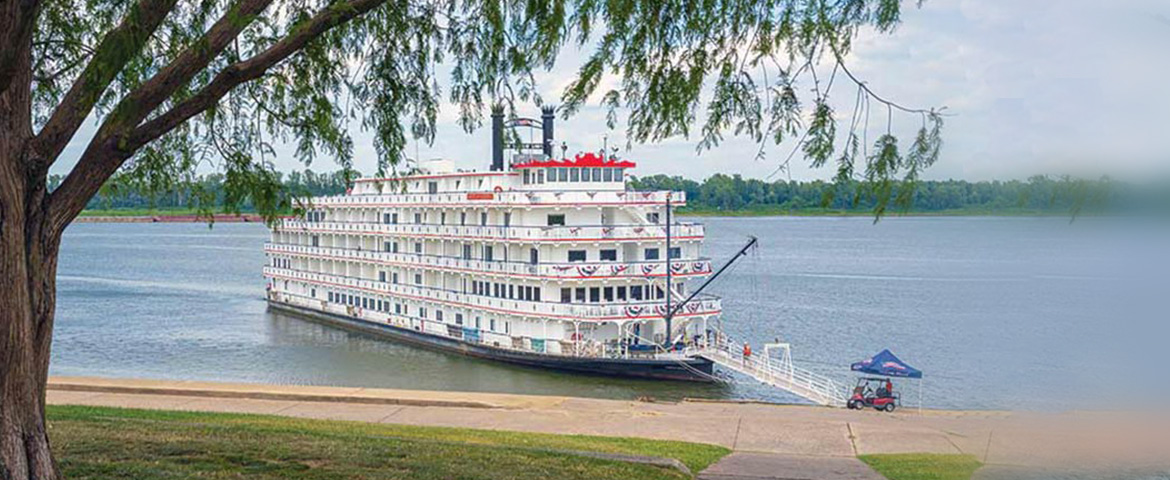

American Melody
174 Cruises
| 4 June | 23 days | One-way from New Orleans to Minneapolis-Saint Paul |
450-628-6241
Call us
|
| 5 June | 21 days | One-way from New Orleans to Minneapolis-Saint Paul |
450-628-6241
Call us
|
| 2 June | 23 days | One-way from New Orleans to Minneapolis-Saint Paul |
450-628-6241
Call us
|
| 3 June | 21 days | One-way from New Orleans to Minneapolis-Saint Paul |
450-628-6241
Call us
|
| 8 June | 23 days | One-way from New Orleans to Minneapolis-Saint Paul |
450-628-6241
Call us
|
| 9 June | 21 days | One-way from New Orleans to Minneapolis-Saint Paul |
450-628-6241
Call us
|
| 20 October | 16 days | One-way from Minneapolis-Saint Paul to New Orleans |
450-628-6241
Call us
|
| 21 October | 14 days | One-way from Minneapolis-Saint Paul to New Orleans |
450-628-6241
Call us
|
| 3 November | 9 days | One-way from New Orleans to Memphis TN |
450-628-6241
Call us
|
| 4 November | 6 days | One-way from New Orleans to Memphis TN |
450-628-6241
Call us
|
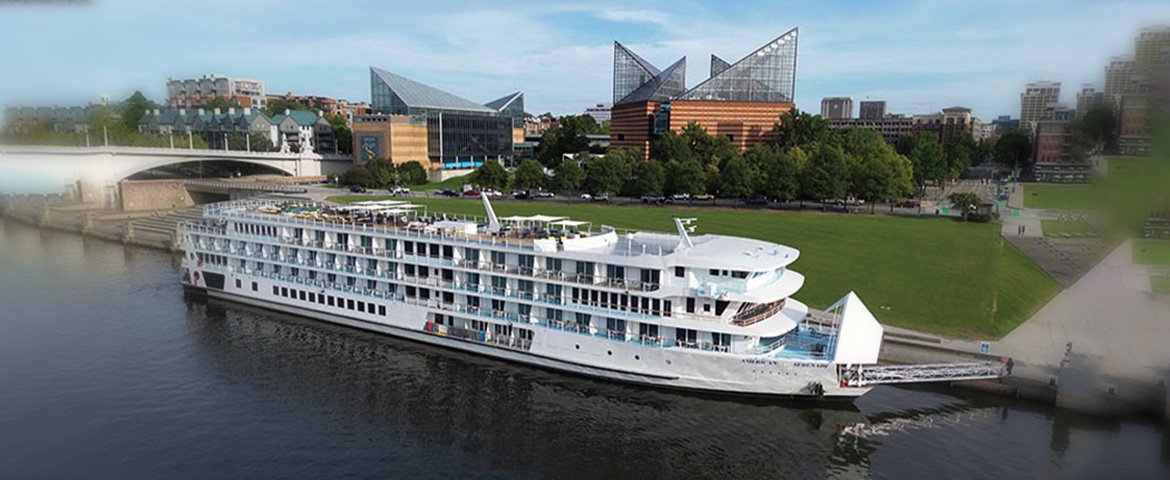
American Serenade
154 Cruises
| 24 September | 16 days | One-way from Minneapolis-Saint Paul to New Orleans |
450-628-6241
Call us
|
| 25 September | 14 days | One-way from Minneapolis-Saint Paul to New Orleans |
450-628-6241
Call us
|
| 28 October | 8 days | Round-trip from New Orleans, USA |
450-628-6241
Call us
|
| 29 October | 5 days | Round-trip 7 Night Highlights of the Mississippi Cruise and Land Tour |
450-628-6241
Call us
|
| 25 August | 16 days | One-way from Minneapolis-Saint Paul to New Orleans |
450-628-6241
Call us
|
| 26 August | 14 days | One-way from Minneapolis-Saint Paul to New Orleans |
450-628-6241
Call us
|
| 4 May | 9 days | One-way from New Orleans to Memphis TN |
450-628-6241
Call us
|
| 5 May | 6 days | One-way from New Orleans to Memphis TN |
450-628-6241
Call us
|
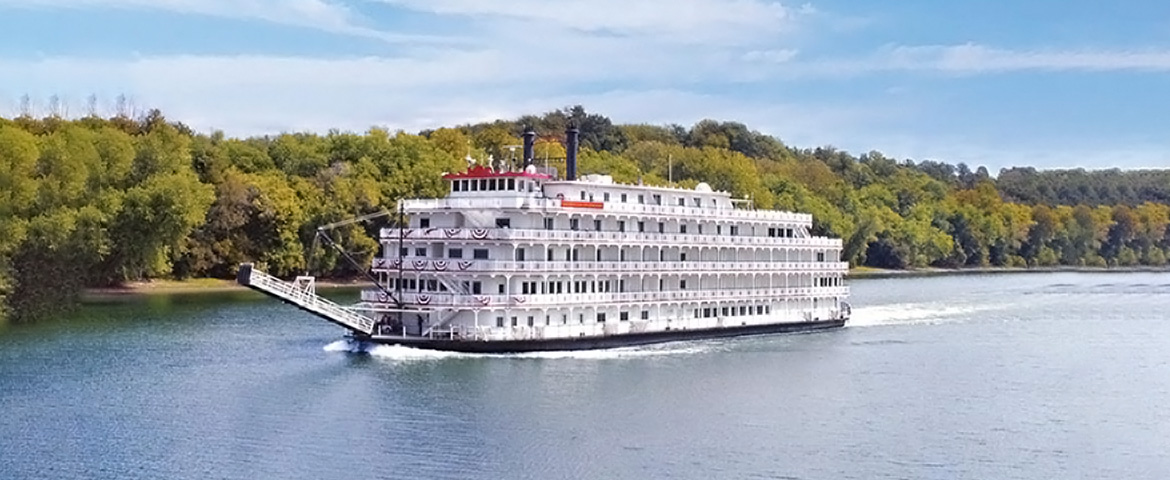
American Splendor
140 Cruises
| 21 September | 16 days | One-way from Nashville TN to New Orleans |
450-628-6241
Call us
|
| 22 September | 13 days | One-way from Nashville TN to New Orleans |
450-628-6241
Call us
|
American Symphony
52 Cruises
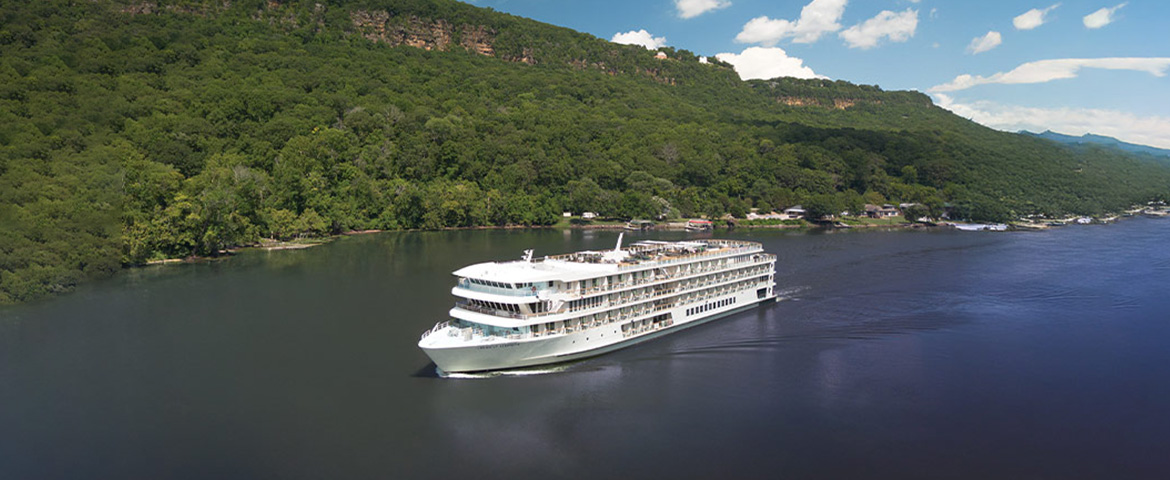
| 13 April | 9 days | One-way from New Orleans to Memphis TN |
450-628-6241
Call us
|
| 14 April | 6 days | One-way from New Orleans to Memphis TN |
450-628-6241
Call us
|
| 22 June | 16 days | One-way from Nashville TN to New Orleans |
450-628-6241
Call us
|
| 23 June | 13 days | One-way from Nashville TN to New Orleans |
450-628-6241
Call us
|
| 6 July | 14 days | One-way from New Orleans to Louisville KY |
450-628-6241
Call us
|
| 7 July | 11 days | One-way from New Orleans to Louisville KY |
450-628-6241
Call us
|
| 9 April | 16 days | One-way from New Orleans to Nashville TN |
450-628-6241
Call us
|
| 10 April | 13 days | One-way from New Orleans to Nashville TN |
450-628-6241
Call us
|
| 18 June | 16 days | One-way from Nashville TN to New Orleans |
450-628-6241
Call us
|
| 19 June | 13 days | One-way from Nashville TN to New Orleans |
450-628-6241
Call us
|
| 10 April | 16 days | One-way from New Orleans to Nashville TN |
450-628-6241
Call us
|
| 11 April | 13 days | One-way from New Orleans to Nashville TN |
450-628-6241
Call us
|
Viking River Cruises (62 Cruises)
Viking Mississippi
62 Cruises
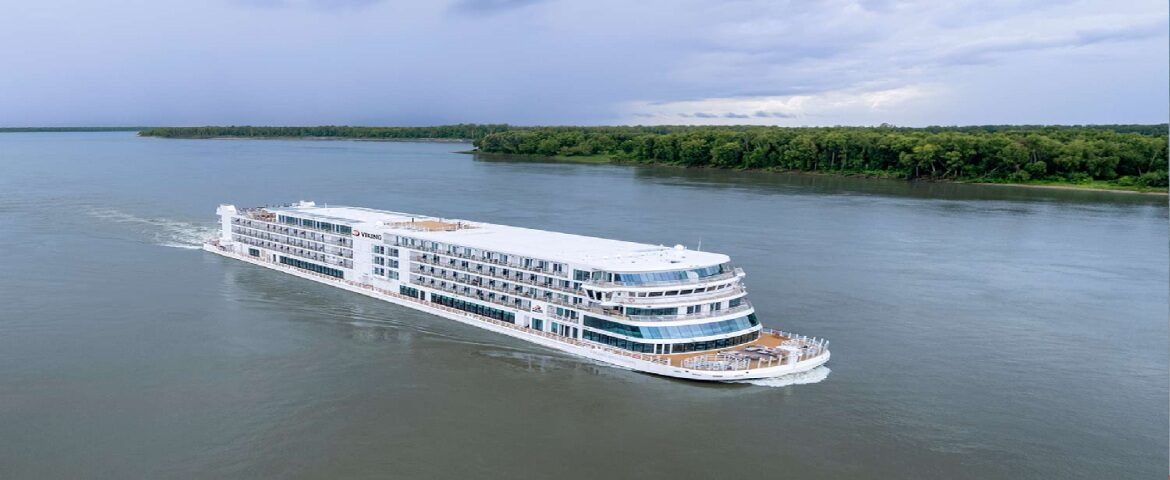

| 17 October | 11 days | One-way from New Orleans to Memphis TN |
450-628-6241
Call us
|
| 18 October | 8 days | One-way from New Orleans to Memphis TN |
450-628-6241
Call us
|
| 2 February | 8 days | One-way from Memphis TN to New Orleans |
450-628-6241
Call us
|
| 16 February | 8 days | One-way from Memphis TN to New Orleans |
450-628-6241
Call us
|
| 13 April | 8 days | One-way from Memphis TN to New Orleans |
450-628-6241
Call us
|
| 27 April | 8 days | One-way from Memphis TN to New Orleans |
450-628-6241
Call us
|
| 11 May | 8 days | One-way from Memphis TN to New Orleans |
450-628-6241
Call us
|
| 25 May | 8 days | One-way from Memphis TN to New Orleans |
450-628-6241
Call us
|
| 14 March | 8 days | One-way from Memphis TN to New Orleans |
450-628-6241
Call us
|
| 28 March | 8 days | One-way from Memphis TN to New Orleans |
450-628-6241
Call us
|
| 11 April | 8 days | One-way from Memphis TN to New Orleans |
450-628-6241
Call us
|
| 25 April | 8 days | One-way from Memphis TN to New Orleans |
450-628-6241
Call us
|
| 9 May | 8 days | One-way from Memphis TN to New Orleans |
450-628-6241
Call us
|
| 23 May | 8 days | One-way from Memphis TN to New Orleans |
450-628-6241
Call us
|
| 3 October | 15 days | One-way from Minneapolis-Saint Paul to New Orleans |
450-628-6241
Call us
|
| 24 October | 8 days | One-way from Memphis TN to New Orleans |
450-628-6241
Call us
|
Frequently Asked Questions
At the Mississippi riverfront docks, at the foot of downtown. The call fits in a handkerchief: state capitol, museum destroyer and riverfront museums are all within walking distance.
From the French. A reddened post is said to have marked a hunting boundary between Indigenous nations here when explorers came up the Mississippi. The name stayed as it was, in French, three centuries later.
The riverfront promenade, the State Capitol, the museum destroyer moored at the dock and the Louisiana Art and Science Museum, housed in a former railway station on the water. All of it on foot.
A landscaped promenade along the Mississippi: wide walkways, green space, sculptures and overlooks facing the barge tows sliding endlessly toward New Orleans. Early in the morning, mist rises off the brown water.
Yes, the state's political and university capital, even if New Orleans remains better known abroad. The State Capitol dominates the city.
Very little in practice. English dominates everywhere, though place names and some family names recall the French legacy. Cajun French is more commonly heard in the parishes to the west.
The US dollar, cards accepted everywhere. Sales tax is added at the register and restaurant tipping is expected American-style.
Yes. The art and science museum includes a planetarium, the museum destroyer can be toured from hold to bridge, and the riverfront gives room to move.
In summer, yes: heavy heat and humidity from June to September, with late-day thunderstorms. Carry water and plan shaded breaks if you walk the riverfront.
Autumn through spring, the lower Mississippi cruise season and the most comfortable stretch. November and March strike the best balance of temperature and light.


