Charleston SC South Carolina
521
Cruises availables
At departure or passage at this port
American Cruise Lines (520 Cruises)
American Eagle
96 Cruises
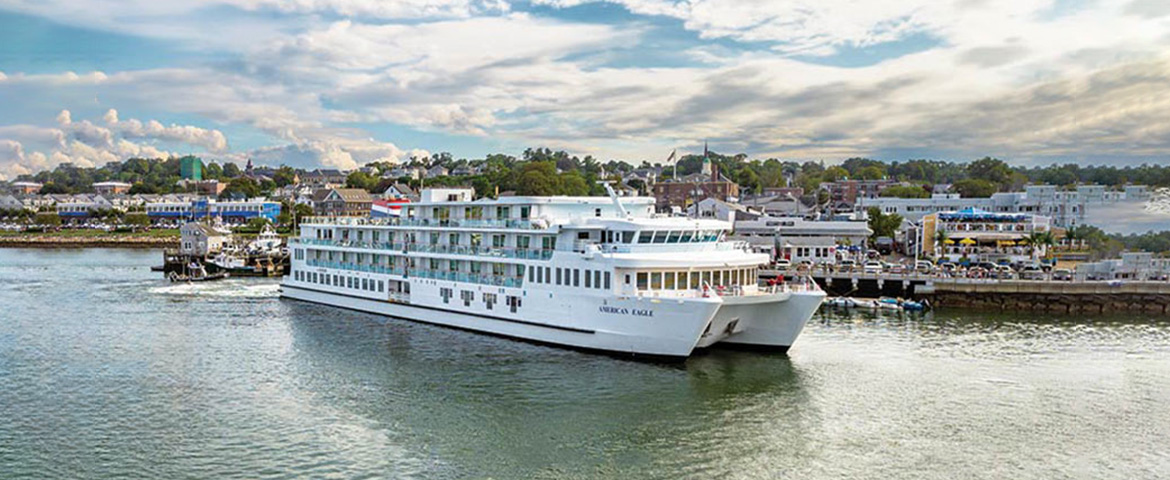

| 28 January | 9 days | One-way from Charleston SC to Amelia Island Florida |
450-628-6241
Call us
|
| 29 January | 6 days | One-way from Charleston SC to Amelia Island Florida |
450-628-6241
Call us
|
| 27 January | 9 days | One-way from Charleston SC to Amelia Island Florida |
450-628-6241
Call us
|
| 28 January | 6 days | One-way from Charleston SC to Amelia Island Florida |
450-628-6241
Call us
|
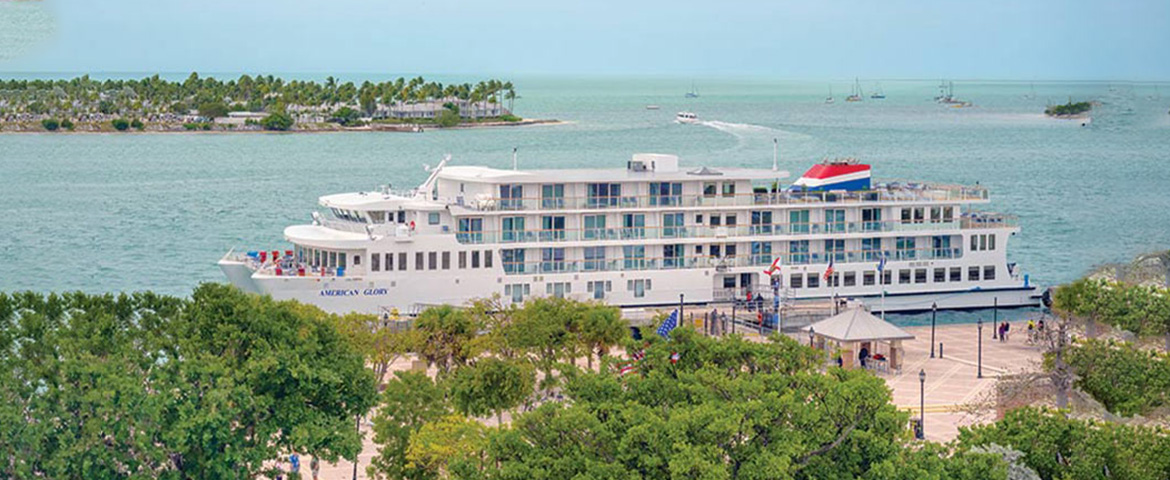
American Glory
106 Cruises
American Legend
94 Cruises
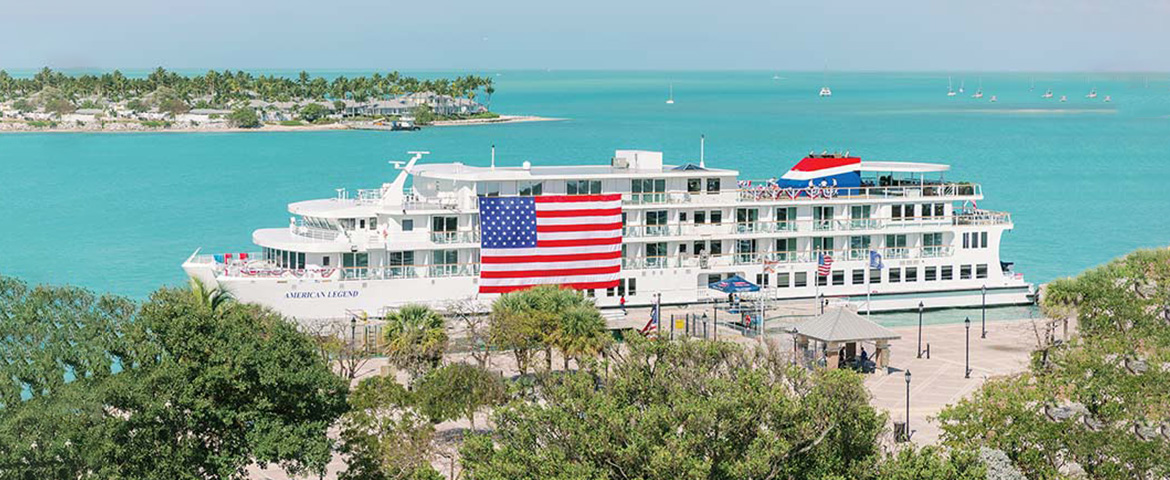
| 27 January | 9 days | One-way from Amelia Island Florida to Charleston SC |
450-628-6241
Call us
|
| 28 January | 6 days | One-way from Amelia Island Florida to Charleston SC |
450-628-6241
Call us
|
| 23 February | 9 days | One-way from Amelia Island Florida to Charleston SC |
450-628-6241
Call us
|
| 24 February | 6 days | One-way from Amelia Island Florida to Charleston SC |
450-628-6241
Call us
|
American Liberty
224 Cruises
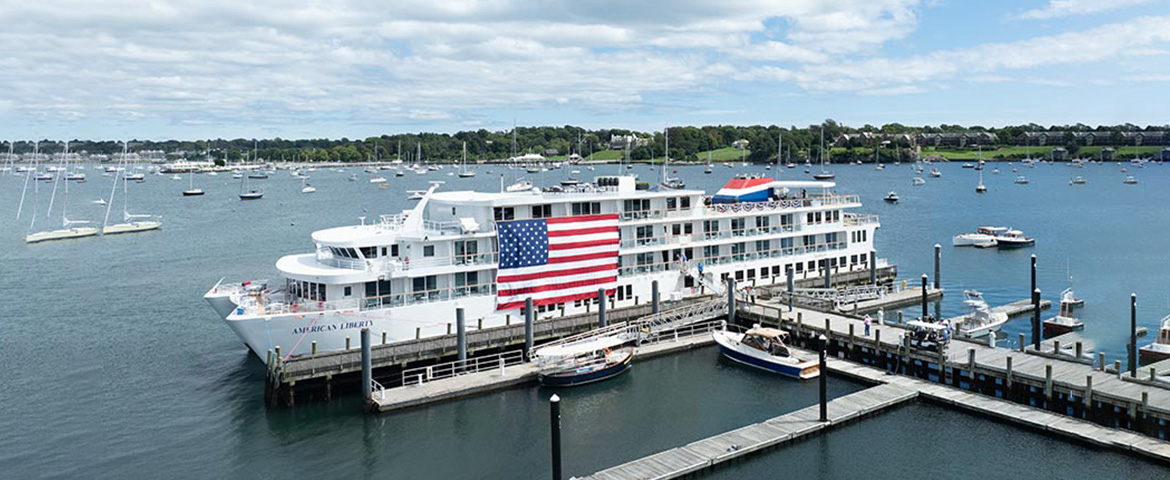
| 17 February | 9 days | One-way from Charleston SC to Amelia Island Florida |
450-628-6241
Call us
|
| 18 February | 6 days | One-way from Charleston SC to Amelia Island Florida |
450-628-6241
Call us
|
Viking Ocean Cruises (1 Cruises)


Port of Charleston, USA | Cruise Port Guide
Frequently Asked Questions
At the Union Pier terminal, right on the edge of the historic district. Few North American ports offer such an advantage: here everything starts on foot the moment you leave the terminal.
Yes, and it's the great strength of this call. Concord Street leads in a few strides to the City Market; Waterfront Park is ten minutes away, and Rainbow Row a good quarter hour further along the waterfront.
The City Market, then Waterfront Park with its pineapple fountain, the French Quarter, Rainbow Row and White Point Garden at the tip of the peninsula. Add a Lowcountry lunch around King Street.
Because of its steeples. The city has so many that sailors gave it the name: white spires, weathervanes and slate roofs make a skyline still faithful to the eighteenth century.
A market hall a few strides from the terminal, where Gullah artisans weave sweetgrass baskets in front of you, a craft passed down for generations. The smell of warm pralines drifts between the stalls.
Yes, if the call is long enough. Ferries leave near the terminal for the island where the first shots of the Civil War were fired in 1861. Even without landing, you can see it from the park promenade.
A row of pastel-coloured Georgian facades along the waterfront toward the tip of the peninsula. It's the city's most photographed image, a good fifteen minutes' walk from Waterfront Park.
Lowcountry cooking: shrimp and grits, she-crab soup and local oysters. Options abound around the City Market and King Street, and those with a sweet tooth rarely leave without a bag of warm pralines.
Yes. The horse-drawn carriages working the historic district cover the same circuit at a walking pace, with historical commentary included. It's a restful option in the heat or for tired legs.
Spring and fall. South Carolina summers are very hot and humid, and hurricane season runs June through November. Jasmine from the walled gardens scents the lanes in spring.


