Davenport IA Iowa, Quad Cities
98
Cruises availables
At departure or passage at this port
American Cruise Lines (78 Cruises)
American Melody
38 Cruises
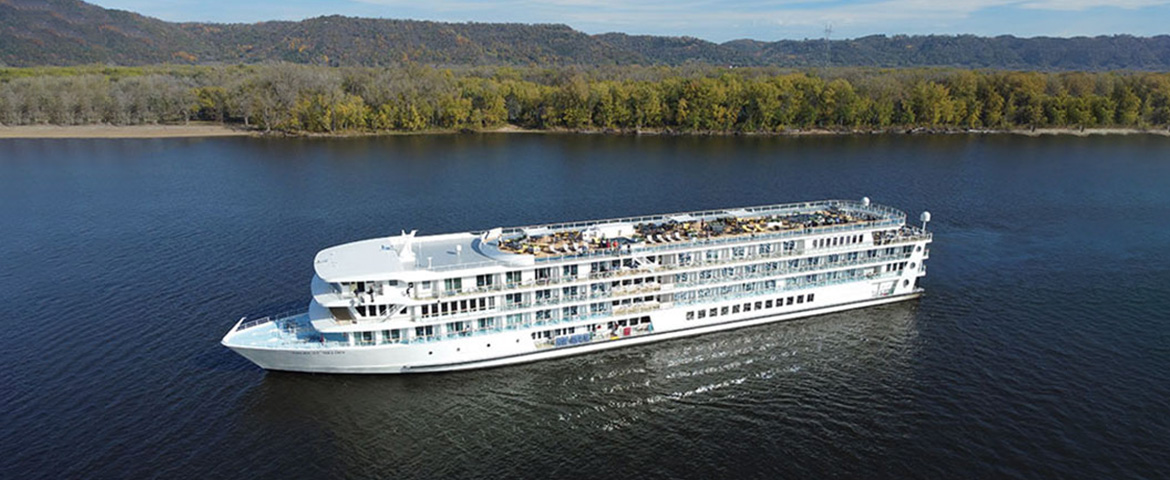

| 25 June | 9 days | One-way from Minneapolis-Saint Paul to St Louis MO |
450-628-6241
Call us
|
| 26 June | 7 days | One-way from Minneapolis-Saint Paul to St Louis MO |
450-628-6241
Call us
|
| 23 June | 9 days | One-way from Minneapolis-Saint Paul to St Louis MO |
450-628-6241
Call us
|
| 24 June | 7 days | One-way from Minneapolis-Saint Paul to St Louis MO |
450-628-6241
Call us
|
| 29 June | 9 days | One-way from Minneapolis-Saint Paul to St Louis MO |
450-628-6241
Call us
|
| 30 June | 7 days | One-way from Minneapolis-Saint Paul to St Louis MO |
450-628-6241
Call us
|
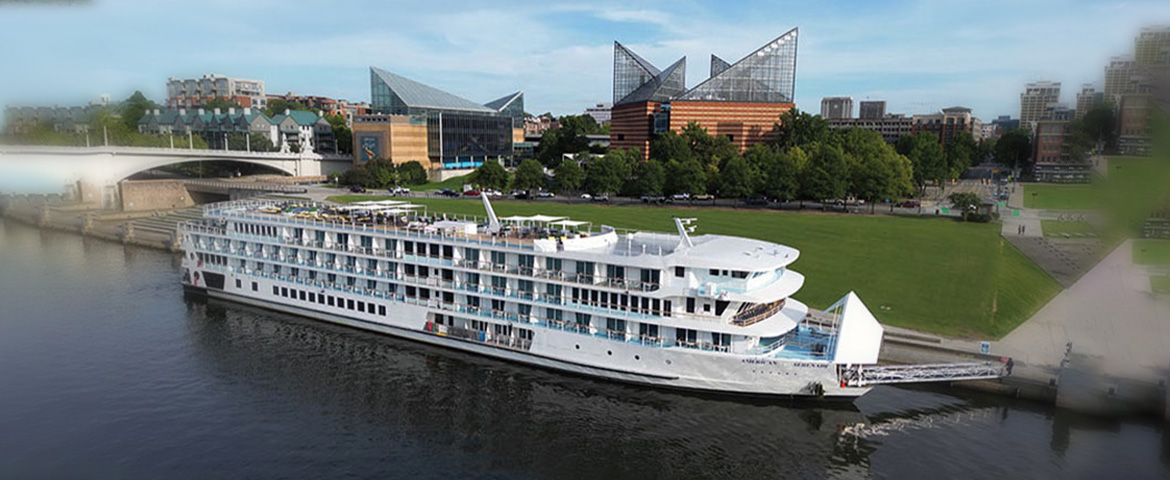
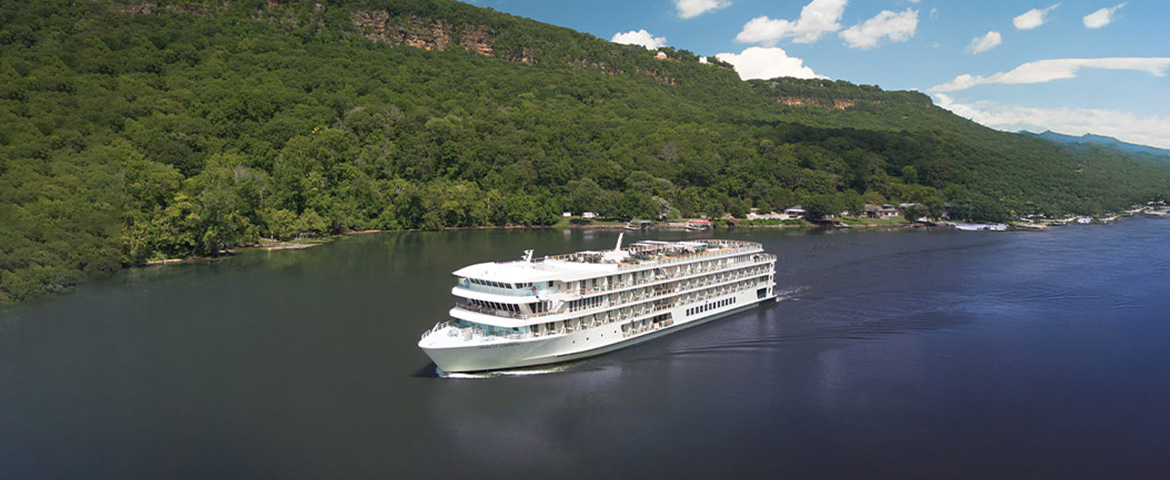
American Serenade
34 Cruises
Viking River Cruises (20 Cruises)
Viking Mississippi
20 Cruises
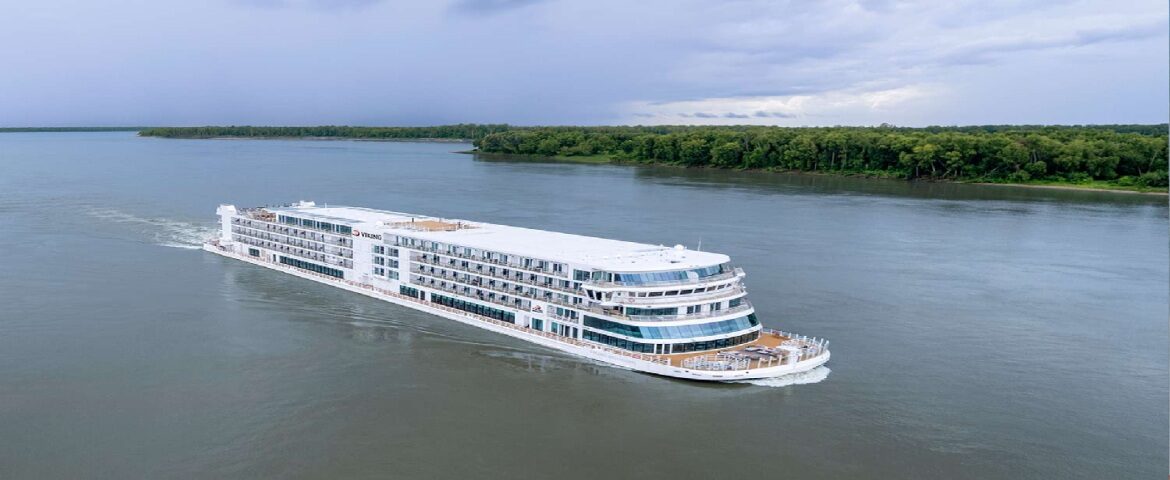

| 11 July | 22 days | One-way from New Orleans to Minneapolis-Saint Paul |
450-628-6241
Call us
|
| 25 July | 8 days | One-way from Alton IL to Minneapolis-Saint Paul |
450-628-6241
Call us
|

Port of Davenport, Iowa | Cruise Port Guide
Frequently Asked Questions
At River Heritage Park on the Iowa side, a few minutes' walk from downtown. No terminal and no gates: a green esplanade, a bike path, and the Centennial Bridge in the background.
Four twin cities sharing the same shoreline on both sides of the Mississippi, between Iowa and Illinois. Davenport is the largest of them.
The Figge Art Museum two streets from the landing, a wander through downtown's shopping streets, and if time allows, the Putnam Museum a few minutes away by taxi.
A museum housed in a large blue-glass volume on the riverbank. The collections cover American art, including Midwest regionalists, European schools and a noted Haitian art holding. One to two hours is enough.
A mix of natural history and more unexpected treasures, including an Egyptian mummy three thousand years old that has been the museum's pride since the nineteenth century. Allow a few minutes by taxi from downtown.
Because the river shifts axis for a few kilometres here, between Iowa and Illinois. The bridges linking the two banks then seem to span the rising sun.
Yes, especially in winter, when they fish below the dams, to the delight of birdwatchers from across the Midwest. White pelicans also pass through during migration.
Yes. The River Bandits' minor league ballpark stands right on the water, its Ferris wheel turning slowly above the outfield on game nights.
Rock Island and Moline on the Illinois side, where excursions often go. You'll find the John Deere farm machinery legacy, with world headquarters in Moline, and the Rock Island Arsenal, established on a mid-river island in the nineteenth century.
May through October, the Mississippi cruise season. Davenport faces the water with no permanent floodwall: spring floods can change access to the landing.


