Marco Island Florida

54 Cruises availables At departure or passage at this port

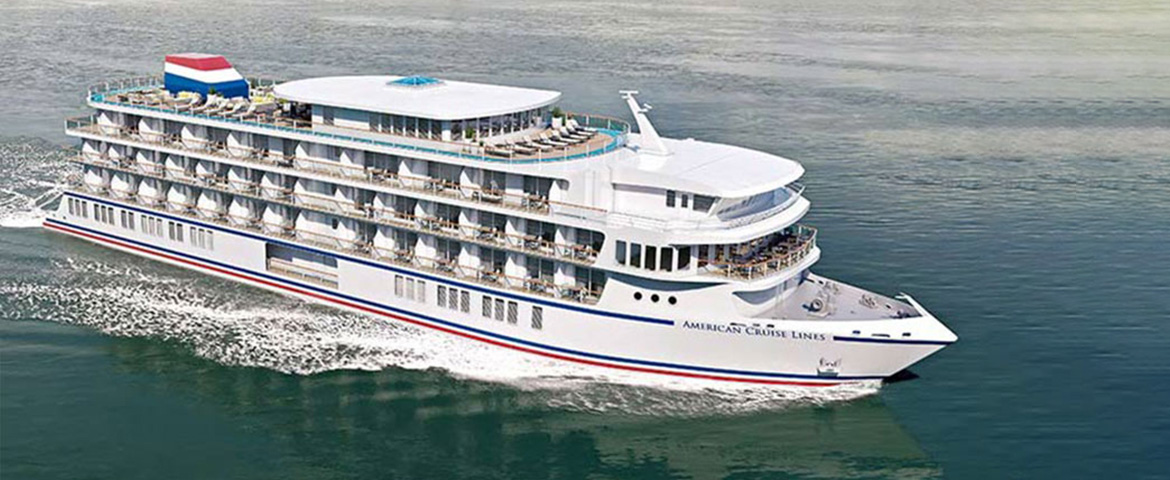
American Cruise Lines (54 Cruises)
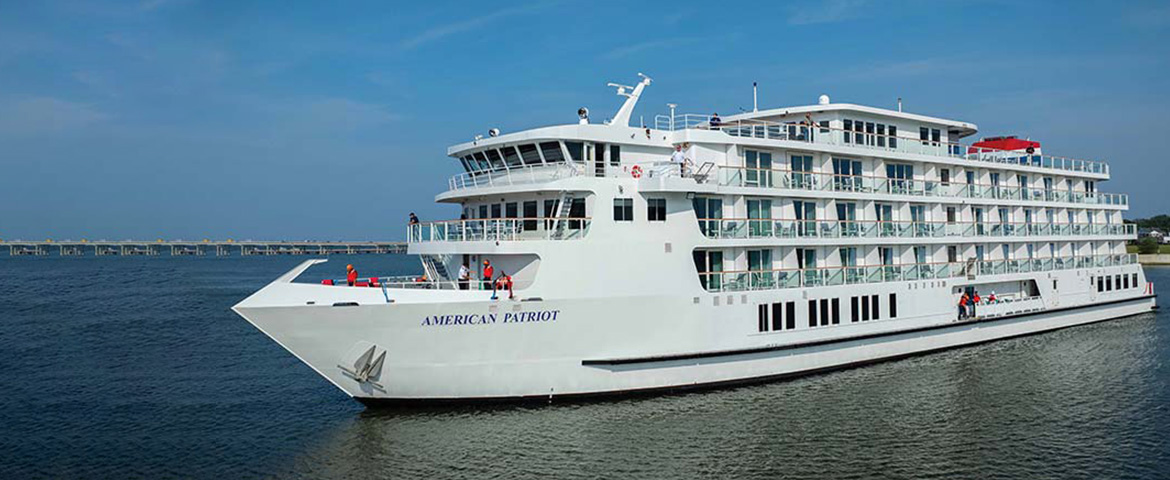
American Pioneer

Visit the ship's page

Port of Marco Island, USA | Cruise Port Guide

The sand crunches underfoot, studded with shells left behind by the tide: welcome to Marco Island, the largest of the Ten Thousand Islands, at the southwestern tip of Florida. Here, there is no giant terminal or taxi line; only small coastal cruise ships call here, mooring in the island's marinas, including Rose Marina, the usual base for port calls. The place feels like an interlude: the calm waters of the Gulf of Mexico on one side, a maze of mangroves on the other.

Beaches as Wide as Promenades

The west side of the island unrolls kilometres of crescent-shaped white sand, among the widest on the Florida coast. At the northern end, Tigertail Beach borders a shallow lagoon frequented by wading birds; walkers go around it to reach the Sand Dollar spit, a favourite spot for shell collectors. Farther south, the residential beach offers public access near the large hotels. The local ritual is to walk along the water's edge at low tide, bag in hand, in search of intact conchs and sand dollars.

The Ten Thousand Islands by Boat

The real treasure of this port of call lies on the water. From the marinas, nature excursions and boat rentals venture into the maze of mangrove islets that extends all the way to the Everglades. Bottlenose dolphins regularly escort the boats, ospreys dive in front of the bows and, with a little patience, you may spot a manatee in the warm waters of the canals. Some outings drop their passengers off on deserted islands accessible only by sea, for a swim far from everything.

Goodland, a Fishing Village Against the Tide

On the southeastern corner of the island, the hamlet of Goodland cultivates a Florida from before the high-rises: stilt shacks, drying nets and seafood restaurants where musicians play on the terraces on weekends. People come for the Gulf shrimp, stone crab in season and the unpretentious atmosphere. The trip from the marinas takes about fifteen minutes by taxi, or by bike for the more athletic.

A Little Island History

Long before the golfers, the Calusa ruled these waters; excavations on the island have yielded one of the most famous Indigenous artifacts in the United States, the figurine known as the Key Marco Cat. The small Marco Island Historical Museum, free of charge, tells the story of this vanished civilization, the pioneer era and the island's lightning-fast transformation from the 1960s onward. The original figurine, carved in wood several centuries ago and remarkably well preserved, belongs to the collections of the Smithsonian Institution; the museum traces its history with faithful replicas. An hour is enough and puts the entire visit into perspective.

Planning Your Nature Stop

Boat outings leave directly from the docks where the ships are moored, which makes everything simple: excursion counters, kayak rentals and dolphin-watching cruises line the quays. The most curious will book the naturalist-led outing to the Ten Thousand Islands National Wildlife Refuge, which protects one of the largest mangrove systems in North America. Bring a hat, water and insect repellent: the Gulf sun is unforgiving, and the bugs come out as soon as the wind drops.

Late afternoons belong to the beach: locals gather there, folding chairs turned toward the Gulf, to applaud the sunset as if at a show. Once on board, everyone counts their loot: a pearly shell, a photo of a dolphin, the memory of a village where time slows down. Marco Island doesn't try to impress; it simply slips into its visitors' pockets a few finds whose secret belongs to the sea.

Frequently Asked Questions

At the island's marinas, chiefly Rose Marina, the usual base for calls. Only small coastal cruise vessels stop here: there is no large terminal and no taxi rank on arrival.
Two approaches work. The beach: walking the waterline at low tide, bag in hand, hunting for conchs and intact sand dollars. Or the water: a naturalist trip into the mangrove maze of the Ten Thousand Islands, departing straight from the docks.
Along the west side, which unrolls kilometres of white crescent sand, among the broadest on the Florida coast. At the north end, Tigertail Beach borders a shallow lagoon frequented by wading birds; you walk around it to reach the Sand Dollar spit, prime shell-hunting ground.
A maze of mangrove islets stretching from Marco Island to the Everglades, protected as a national refuge: one of the largest mangrove systems in North America. Naturalist excursions and boat rentals leave from the island's marinas.
Often, yes. Bottlenose dolphins regularly escort the boats and ospreys dive ahead of the bows. With some patience, you may spot a manatee in the warm canal water. Nothing is guaranteed, but the odds are good.
A fishing hamlet at the island's southeast corner that keeps a pre-highrise Florida alive: stilt shacks, drying nets, shellfish restaurants where musicians play on the terraces at weekends. Allow about fifteen minutes by taxi from the marinas.
One of the most famous Native American artifacts in the United States, a statuette carved in wood centuries ago by the Calusa and remarkably preserved. The original belongs to the Smithsonian Institution's collections; Marco Island's small free history museum tells its story with faithful replicas.
Very much so. Gulf waters are calm, shell collecting keeps children busy for hours, and dolphin-watching trips rarely disappoint. Bring a hat, water and insect repellent: the Gulf sun is unforgiving and the bugs arrive the moment the wind drops.
Yes. Excursion desks, kayak rentals and dolphin cruises line the same docks where the ships tie up, which simplifies everything. The calm mangroves of the Ten Thousand Islands suit paddling well.
Late afternoon belongs to the beach: residents gather with folding chairs facing the Gulf and applaud the sunset like a performance. For shells, aim instead for the morning low tide. Currency: the US dollar.