Natchez MS Mississippi
749
Cruises availables
At departure or passage at this port
American Cruise Lines (648 Cruises)
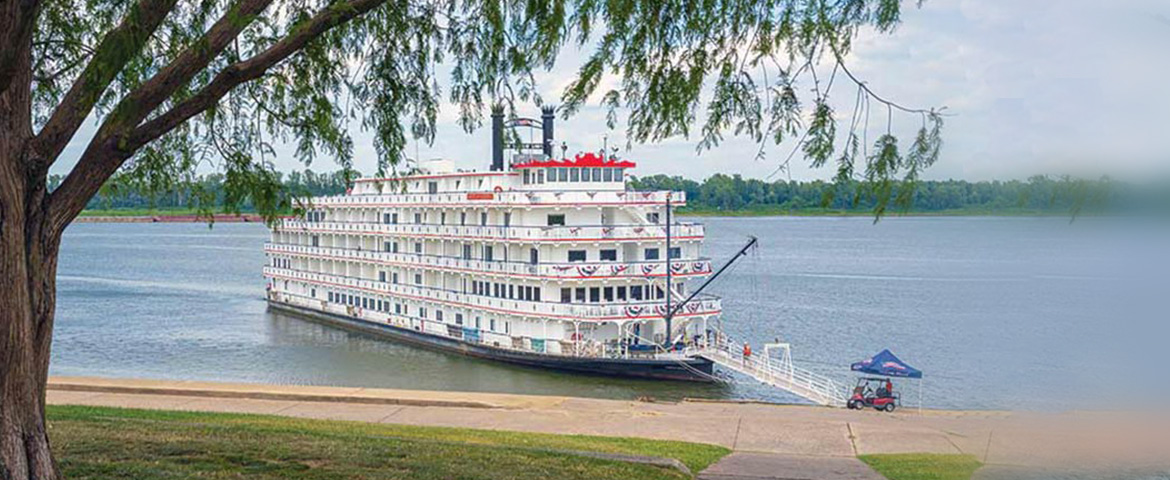
American Heritage
108 Cruises

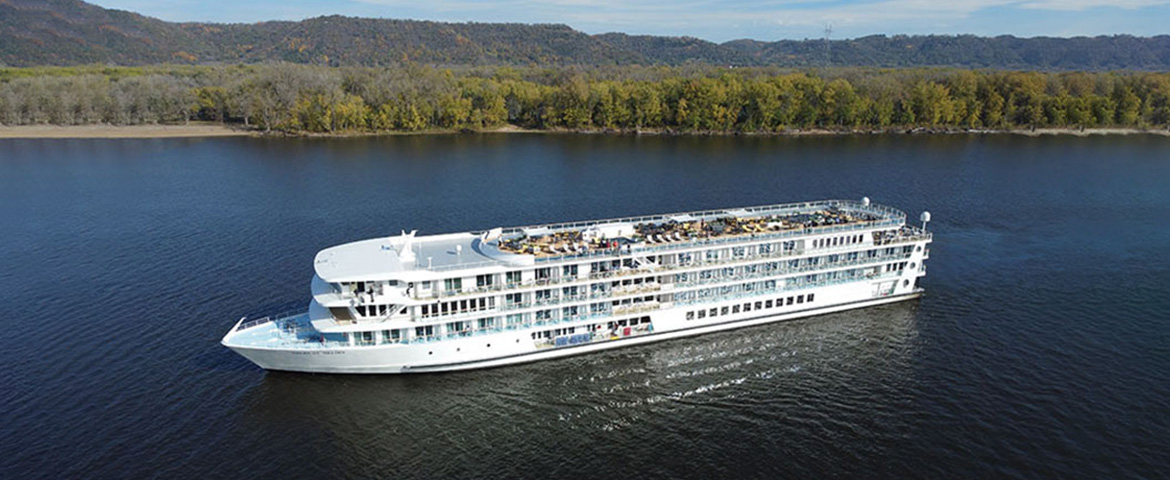
American Melody
174 Cruises
| 4 June | 23 days | One-way from New Orleans to Minneapolis-Saint Paul |
450-628-6241
Call us
|
| 5 June | 21 days | One-way from New Orleans to Minneapolis-Saint Paul |
450-628-6241
Call us
|
| 2 June | 23 days | One-way from New Orleans to Minneapolis-Saint Paul |
450-628-6241
Call us
|
| 3 June | 21 days | One-way from New Orleans to Minneapolis-Saint Paul |
450-628-6241
Call us
|
| 8 June | 23 days | One-way from New Orleans to Minneapolis-Saint Paul |
450-628-6241
Call us
|
| 9 June | 21 days | One-way from New Orleans to Minneapolis-Saint Paul |
450-628-6241
Call us
|
| 20 October | 16 days | One-way from Minneapolis-Saint Paul to New Orleans |
450-628-6241
Call us
|
| 21 October | 14 days | One-way from Minneapolis-Saint Paul to New Orleans |
450-628-6241
Call us
|
| 3 November | 9 days | One-way from New Orleans to Memphis TN |
450-628-6241
Call us
|
| 4 November | 6 days | One-way from New Orleans to Memphis TN |
450-628-6241
Call us
|
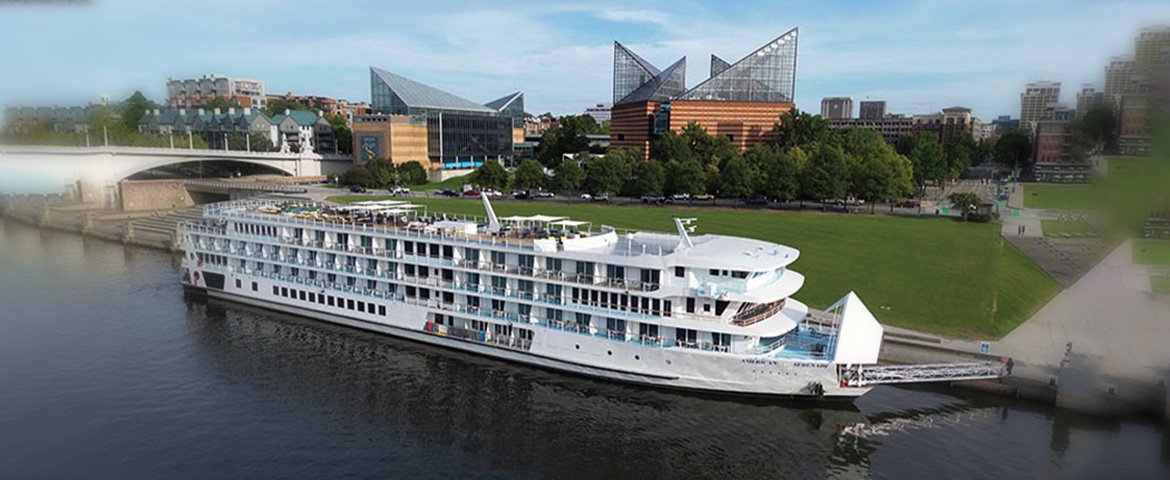
American Serenade
174 Cruises
| 24 September | 16 days | One-way from Minneapolis-Saint Paul to New Orleans |
450-628-6241
Call us
|
| 25 September | 14 days | One-way from Minneapolis-Saint Paul to New Orleans |
450-628-6241
Call us
|
| 25 August | 16 days | One-way from Minneapolis-Saint Paul to New Orleans |
450-628-6241
Call us
|
| 26 August | 14 days | One-way from Minneapolis-Saint Paul to New Orleans |
450-628-6241
Call us
|
| 4 May | 9 days | One-way from New Orleans to Memphis TN |
450-628-6241
Call us
|
| 5 May | 6 days | One-way from New Orleans to Memphis TN |
450-628-6241
Call us
|
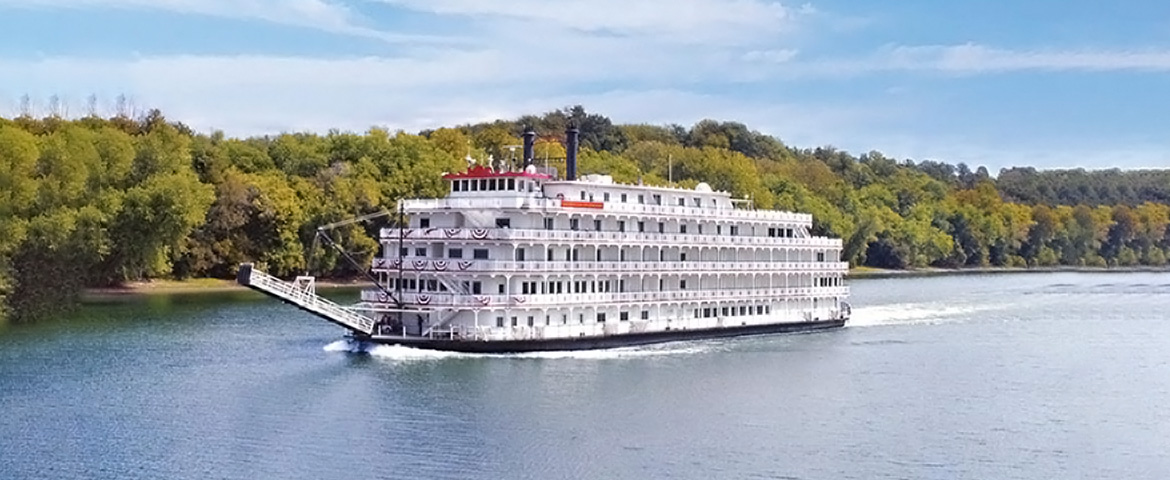
American Splendor
140 Cruises
| 21 September | 16 days | One-way from Nashville TN to New Orleans |
450-628-6241
Call us
|
| 22 September | 13 days | One-way from Nashville TN to New Orleans |
450-628-6241
Call us
|
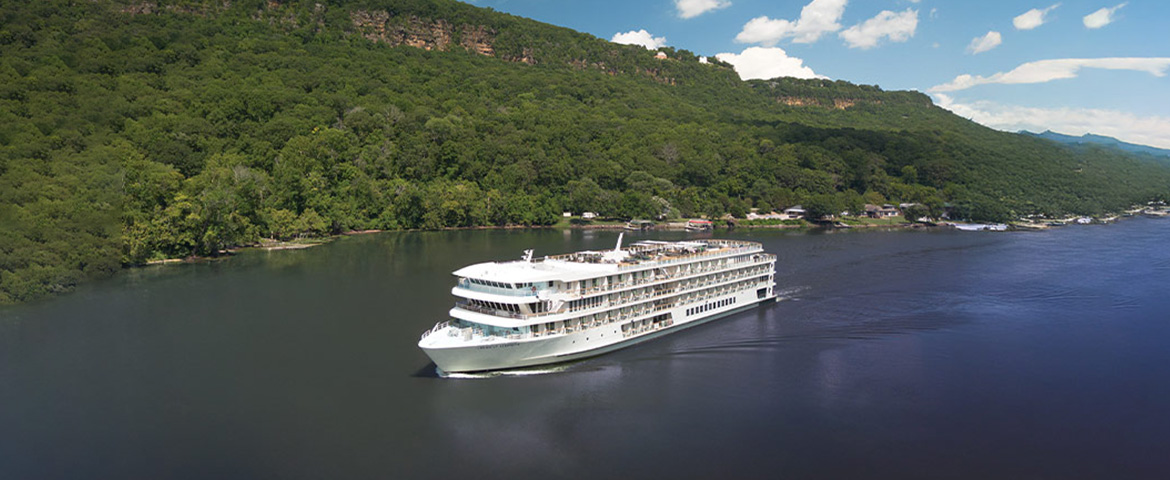
American Symphony
52 Cruises
| 13 April | 9 days | One-way from New Orleans to Memphis TN |
450-628-6241
Call us
|
| 14 April | 6 days | One-way from New Orleans to Memphis TN |
450-628-6241
Call us
|
| 22 June | 16 days | One-way from Nashville TN to New Orleans |
450-628-6241
Call us
|
| 23 June | 13 days | One-way from Nashville TN to New Orleans |
450-628-6241
Call us
|
| 6 July | 14 days | One-way from New Orleans to Louisville KY |
450-628-6241
Call us
|
| 7 July | 11 days | One-way from New Orleans to Louisville KY |
450-628-6241
Call us
|
| 9 April | 16 days | One-way from New Orleans to Nashville TN |
450-628-6241
Call us
|
| 10 April | 13 days | One-way from New Orleans to Nashville TN |
450-628-6241
Call us
|
| 18 June | 16 days | One-way from Nashville TN to New Orleans |
450-628-6241
Call us
|
| 19 June | 13 days | One-way from Nashville TN to New Orleans |
450-628-6241
Call us
|
| 10 April | 16 days | One-way from New Orleans to Nashville TN |
450-628-6241
Call us
|
| 11 April | 13 days | One-way from New Orleans to Nashville TN |
450-628-6241
Call us
|
Viking River Cruises (101 Cruises)
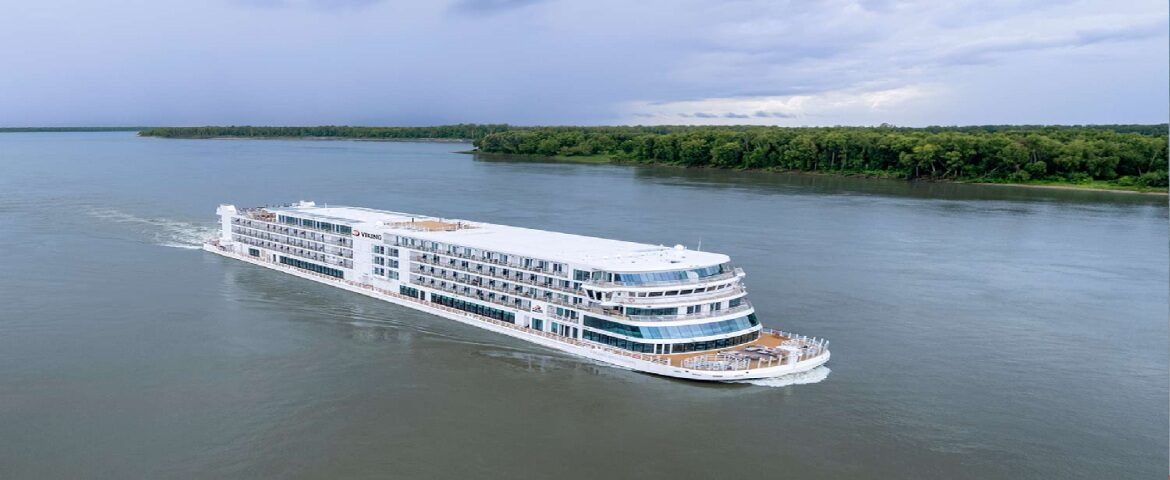
Viking Mississippi
101 Cruises

| 17 October | 11 days | One-way from New Orleans to Memphis TN |
450-628-6241
Call us
|
| 18 October | 8 days | One-way from New Orleans to Memphis TN |
450-628-6241
Call us
|
| 10 August | 15 days | One-way from New Orleans to Alton IL |
450-628-6241
Call us
|
| 10 August | 22 days | One-way from New Orleans to Minneapolis-Saint Paul |
450-628-6241
Call us
|
| 11 July | 15 days | One-way from New Orleans to Alton IL |
450-628-6241
Call us
|
| 11 July | 22 days | One-way from New Orleans to Minneapolis-Saint Paul |
450-628-6241
Call us
|
Frequently Asked Questions
Below the bluff at Natchez Under-the-Hill, along Silver Street. The historic centre sits on top of the plateau, so the day is essentially about climbing up and then coming back down.
It is real: Silver Street rises from the riverbank to the top of the bluff. The slope is walkable, but shuttles and horse-drawn carriage tours are offered for anyone who would rather not, especially in heat.
A pause at Under-the-Hill, then the climb to the linear park overlooking the Mississippi, one or two antebellum houses — Stanton Hall, Longwood or Melrose — and a wander through the historic streets. A carriage tour packages it well.
The lower district squeezed between river and bluff, which in the nineteenth century was among the roughest spots in the valley: taverns, gambling houses and boatmen's brawls. A handful of facades survive, including the Under-the-Hill Saloon, still open.
Three stand out. Stanton Hall, a colonnaded mansion occupying a full city block; Longwood, an octagonal domed house left unfinished when the workmen walked off in 1861, tools and scaffolding still in place upstairs; and Melrose, preserved by the National Park Service, whose tour covers the lives of the enslaved as fully as those of the owners.
Yes, without dodging it. The town's wealth rested on cotton and slavery, and the Forks of the Road site just outside the centre marks one of the South's largest markets in enslaved people. Several guided tours now include this history.
Yes. Founded by the French in 1716, it predates its Louisiana neighbour by two years. More than 500 period houses survive, making it one of the richest antebellum ensembles in the country.
The US dollar. Cards work at the historic houses and restaurants, but keep cash for carriage rides, tips and the small downtown shops.
Spring, during the house pilgrimage, when owners open their parlours to the public. Autumn is milder and quieter. Mississippi summers are hot and heavy, which makes the Silver Street climb harder work.
Moderately. The carriage ride and the river panorama appeal to children, but historic house tours require patience. Bring water: the heat and the climb tell quickly on younger visitors.


