St Francisville LA Louisiana
271
Cruises availables
At departure or passage at this port
American Cruise Lines (176 Cruises)
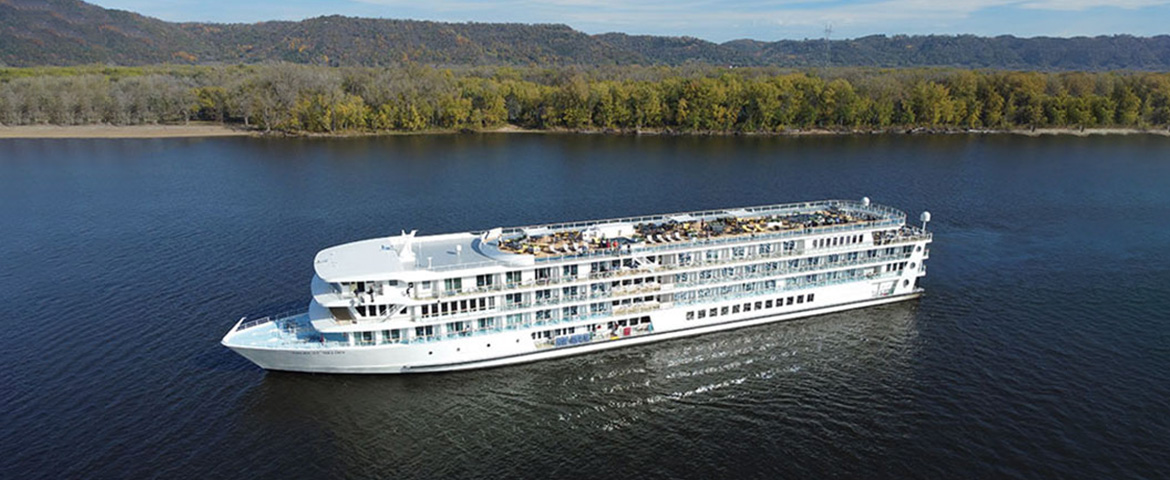
American Heritage
98 Cruises
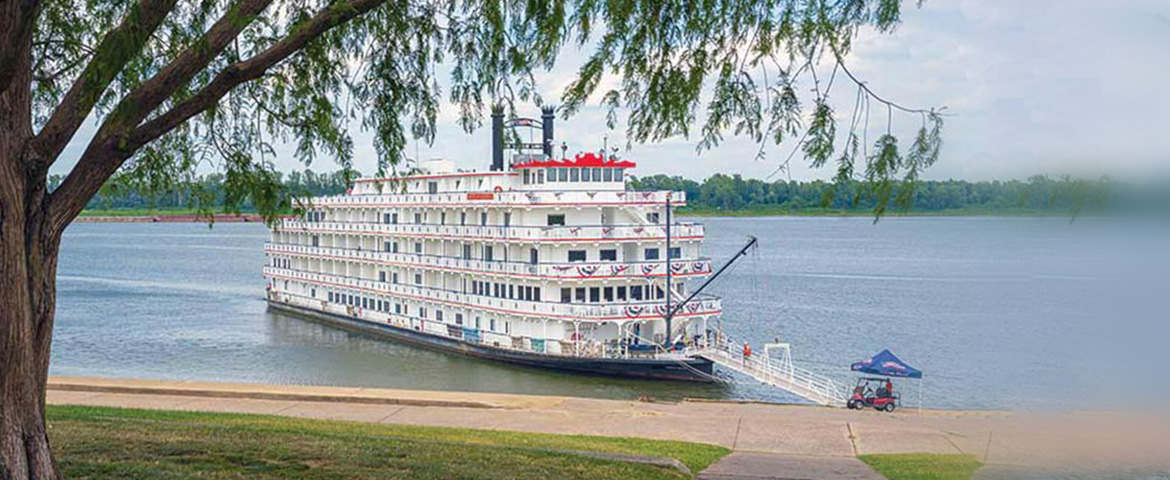

American Melody
32 Cruises
| 4 June | 22 nights | One-way from New Orleans to Minneapolis-Saint Paul |
450-628-6241
Call us
|
| 5 June | 21 days | One-way from New Orleans to Minneapolis-Saint Paul |
450-628-6241
Call us
|
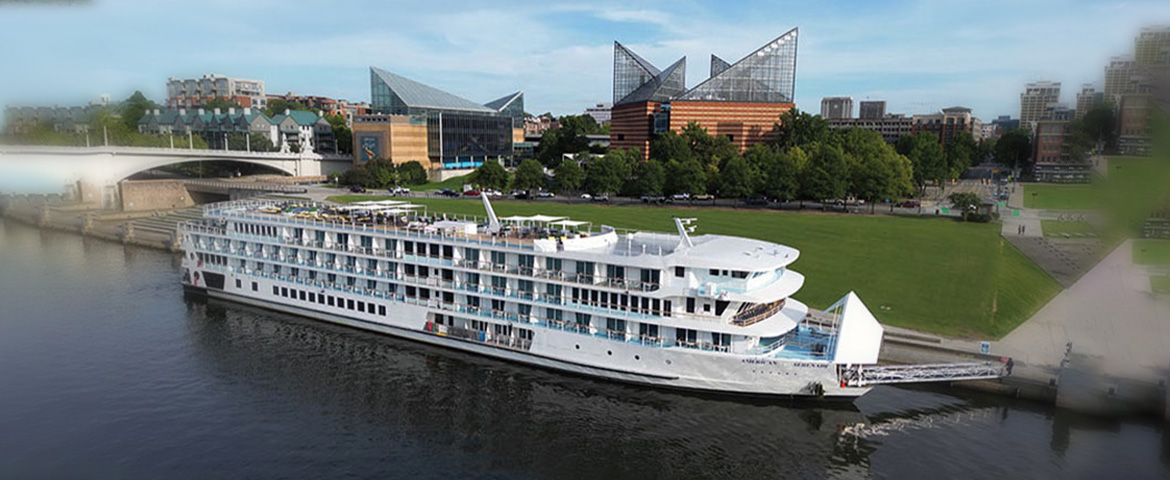
American Serenade
30 Cruises
| 13 February | 7 nights | Round-trip from New Orleans, USA |
450-628-6241
Call us
|
| 14 February | 5 days | Round-trip 7 Night Highlights of the Mississippi Cruise and Land Tour |
450-628-6241
Call us
|
| 11 June | 22 nights | One-way from New Orleans to Minneapolis-Saint Paul |
450-628-6241
Call us
|
| 12 June | 21 days | One-way from New Orleans to Minneapolis-Saint Paul |
450-628-6241
Call us
|
| 9 June | 22 nights | One-way from New Orleans to Minneapolis-Saint Paul |
450-628-6241
Call us
|
| 10 June | 21 days | One-way from New Orleans to Minneapolis-Saint Paul |
450-628-6241
Call us
|
| 22 September | 11 nights | One-way from New Orleans to Memphis TN |
450-628-6241
Call us
|
| 23 September | 9 days | One-way from New Orleans to Memphis TN |
450-628-6241
Call us
|
| 15 June | 22 nights | One-way from New Orleans to Minneapolis-Saint Paul |
450-628-6241
Call us
|
| 16 June | 21 days | One-way from New Orleans to Minneapolis-Saint Paul |
450-628-6241
Call us
|
| 14 September | 11 nights | One-way from New Orleans to Memphis TN |
450-628-6241
Call us
|
| 15 September | 9 days | One-way from New Orleans to Memphis TN |
450-628-6241
Call us
|
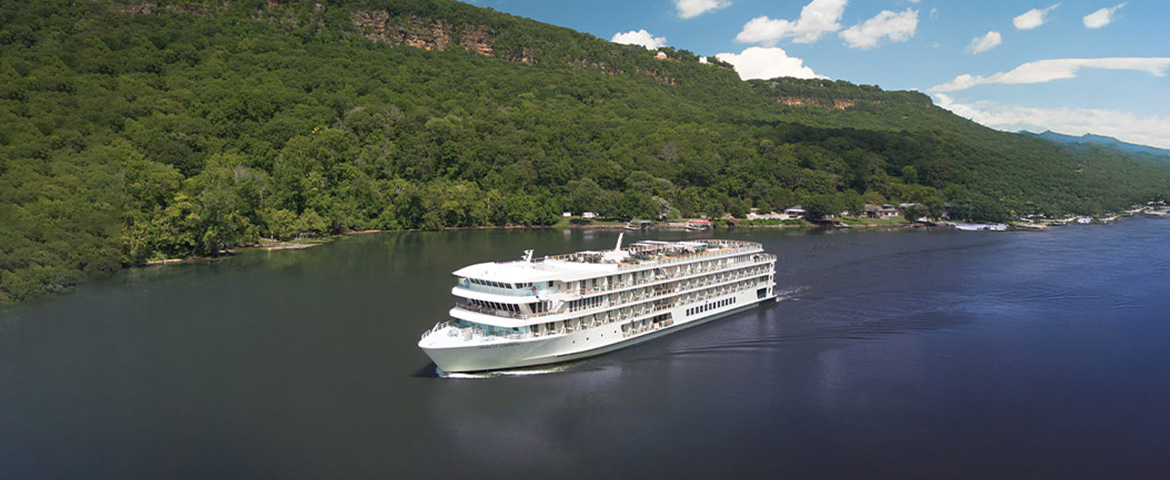
American Symphony
16 Cruises
Viking River Cruises (95 Cruises)
Viking Mississippi
95 Cruises
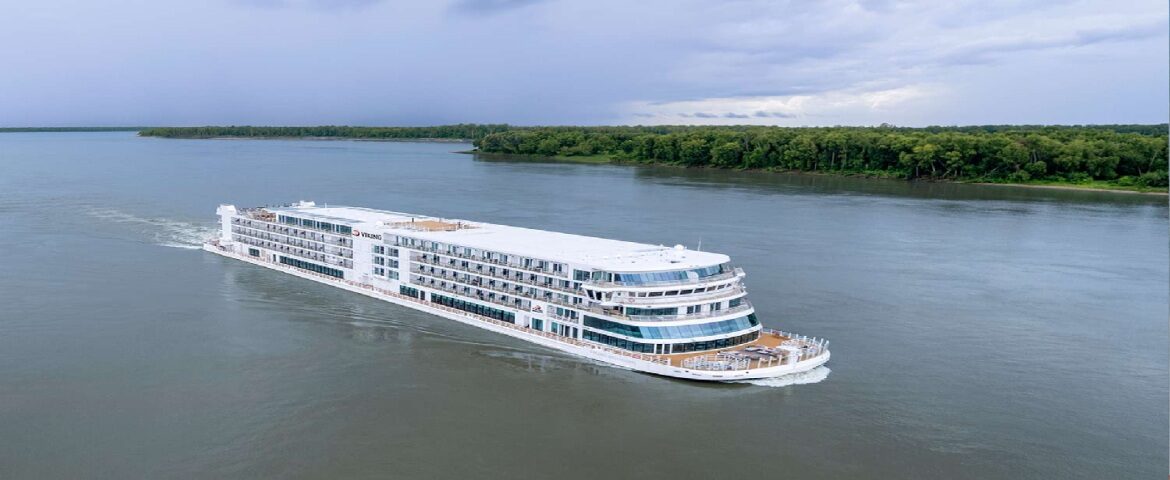

| 6 July | 14 nights | One-way from New Orleans to Alton IL |
450-628-6241
Call us
|
| 6 July | 21 nights | One-way from New Orleans to Minneapolis-Saint Paul |
450-628-6241
Call us
|
| 10 August | 14 nights | One-way from New Orleans to Alton IL |
450-628-6241
Call us
|
| 10 August | 21 nights | One-way from New Orleans to Minneapolis-Saint Paul |
450-628-6241
Call us
|
| 11 July | 14 nights | One-way from New Orleans to Alton IL |
450-628-6241
Call us
|
| 11 July | 21 nights | One-way from New Orleans to Minneapolis-Saint Paul |
450-628-6241
Call us
|
| 15 August | 14 nights | One-way from New Orleans to Alton IL |
450-628-6241
Call us
|
| 15 August | 21 nights | One-way from New Orleans to Minneapolis-Saint Paul |
450-628-6241
Call us
|
| 17 October | 7 nights | One-way from New Orleans to Memphis TN |
450-628-6241
Call us
|
| 24 October | 7 nights | One-way from Memphis TN to New Orleans |
450-628-6241
Call us
|

St. Francisville, Louisiana | Cruise Port Guide
Frequently Asked Questions
At a simple landing below the town, on the Mississippi. The town sits on high wooded bluffs, unusual in a delta where flatness rules: that is what kept it clear of the floods.
That is not the usual way. Shuttles generally carry passengers from the landing up to the town on the ridge. Once there, the historic district is entirely walkable.
A plantation visit, Rosedown or Oakley, takes up a good half of the day; keep the rest for Royal Street and the historic district. River line excursions often combine the two.
The estate where the naturalist painter John James Audubon stayed in 1821 as tutor to the daughter of the house. The surrounding woods inspired some thirty plates of his great work on the birds of America; the house, outbuildings, recreated kitchen gardens and shaded paths can all be visited.
An 1830s house at the end of an avenue of magnificent oaks, surrounded by some of the largest historic gardens in the South. The entrance alley, a green vault several hundred metres long, is among the most photographed images in the state.
Yes. At Rosedown, guides describe estate life plainly, that of the owners and that of the enslaved people whose labour created its wealth. It is a core part of the visit, not a footnote.
An 18th-century property that local tradition holds to be one of the most haunted houses in the country. Visitors after a shiver sometimes prefer it to the great plantations nearby.
Royal Street holds most of it: antique dealers, galleries and carefully kept historic houses. The old district, listed on the heritage registers, is walked on foot among wrought-iron gates, camellias and 19th-century churches ringed by shaded cemeteries.
The US dollar and English. Cards are accepted in most businesses and restaurant tipping runs 15 to 20 percent.
Spring, when camellias, azaleas and magnolias follow one another through the Rosedown gardens. Louisiana summers are hot and heavy; the shade of live oaks draped in Spanish moss then becomes the walker’s best ally.


