Vicksburg MS Mississippi
733
Cruises availables
At departure or passage at this port
American Cruise Lines (634 Cruises)
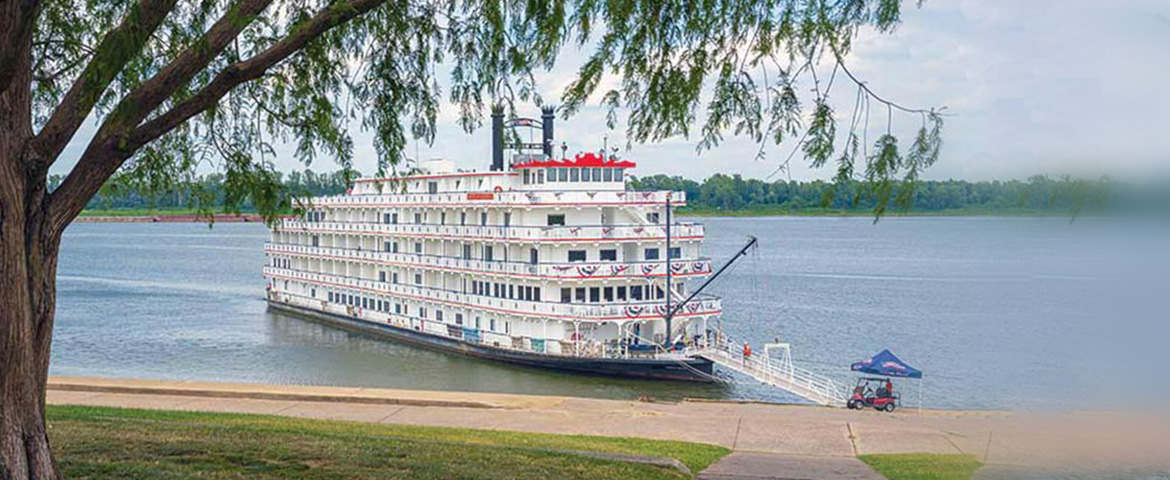
American Heritage
106 Cruises
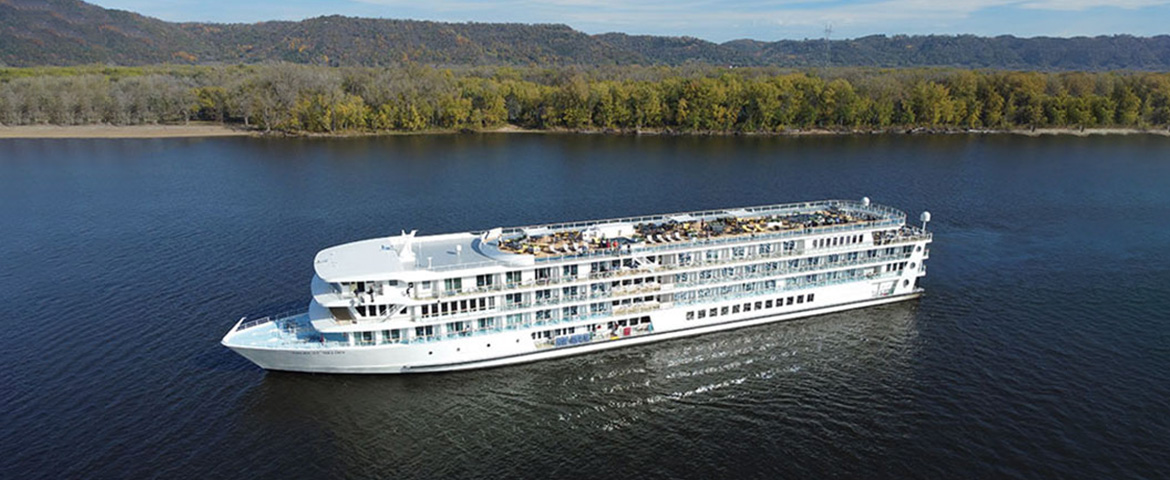
American Melody
166 Cruises
| 4 June | 22 nights | One-way from New Orleans to Minneapolis-Saint Paul |
450-628-6241
Call us
|
| 5 June | 21 days | One-way from New Orleans to Minneapolis-Saint Paul |
450-628-6241
Call us
|
| 2 June | 22 nights | One-way from New Orleans to Minneapolis-Saint Paul |
450-628-6241
Call us
|
| 3 June | 21 days | One-way from New Orleans to Minneapolis-Saint Paul |
450-628-6241
Call us
|
| 8 June | 22 nights | One-way from New Orleans to Minneapolis-Saint Paul |
450-628-6241
Call us
|
| 9 June | 21 days | One-way from New Orleans to Minneapolis-Saint Paul |
450-628-6241
Call us
|
| 20 October | 15 nights | One-way from Minneapolis-Saint Paul to New Orleans |
450-628-6241
Call us
|
| 21 October | 14 days | One-way from Minneapolis-Saint Paul to New Orleans |
450-628-6241
Call us
|
| 3 November | 8 nights | One-way from New Orleans to Memphis TN |
450-628-6241
Call us
|
| 4 November | 6 days | One-way from New Orleans to Memphis TN |
450-628-6241
Call us
|
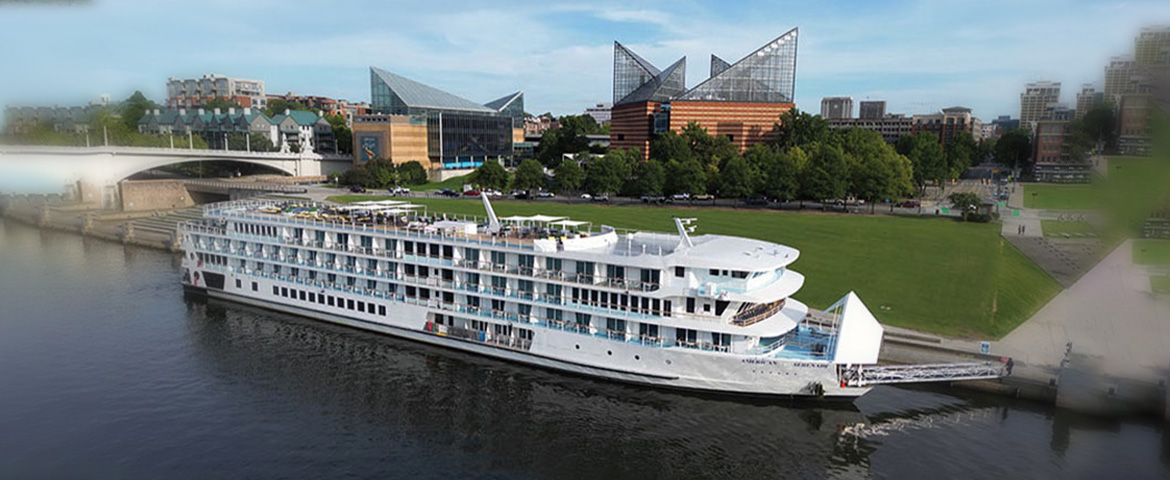
American Serenade
172 Cruises
| 24 September | 15 nights | One-way from Minneapolis-Saint Paul to New Orleans |
450-628-6241
Call us
|
| 25 September | 14 days | One-way from Minneapolis-Saint Paul to New Orleans |
450-628-6241
Call us
|
| 25 August | 15 nights | One-way from Minneapolis-Saint Paul to New Orleans |
450-628-6241
Call us
|
| 26 August | 14 days | One-way from Minneapolis-Saint Paul to New Orleans |
450-628-6241
Call us
|
| 4 May | 8 nights | One-way from New Orleans to Memphis TN |
450-628-6241
Call us
|
| 5 May | 6 days | One-way from New Orleans to Memphis TN |
450-628-6241
Call us
|
American Splendor
138 Cruises
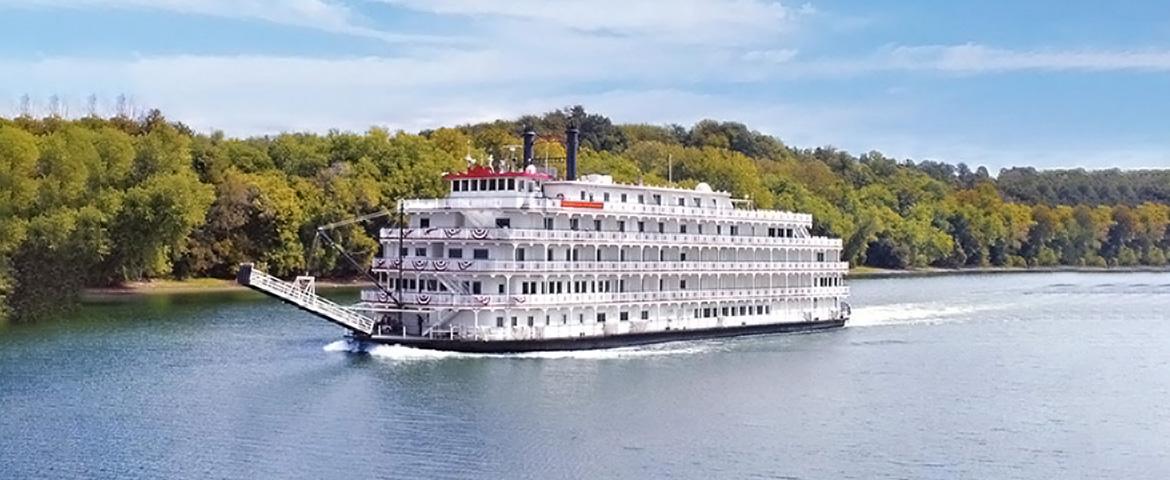
| 21 September | 15 nights | One-way from Nashville TN to New Orleans |
450-628-6241
Call us
|
| 22 September | 13 days | One-way from Nashville TN to New Orleans |
450-628-6241
Call us
|
American Symphony
52 Cruises
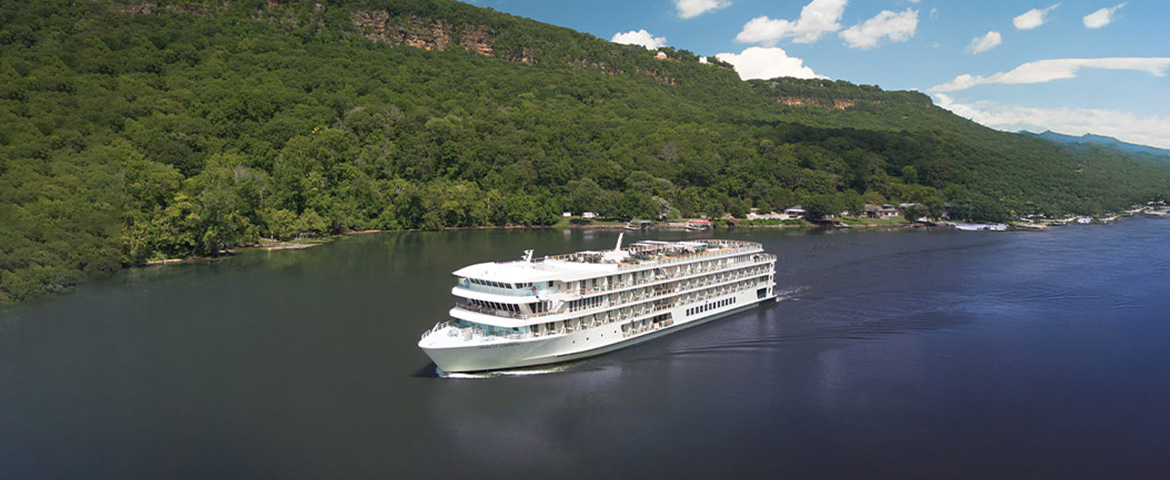
| 13 April | 8 nights | One-way from New Orleans to Memphis TN |
450-628-6241
Call us
|
| 14 April | 6 days | One-way from New Orleans to Memphis TN |
450-628-6241
Call us
|
| 22 June | 15 nights | One-way from Nashville TN to New Orleans |
450-628-6241
Call us
|
| 23 June | 13 days | One-way from Nashville TN to New Orleans |
450-628-6241
Call us
|
| 6 July | 13 nights | One-way from New Orleans to Louisville KY |
450-628-6241
Call us
|
| 7 July | 11 days | One-way from New Orleans to Louisville KY |
450-628-6241
Call us
|
| 9 April | 15 nights | One-way from New Orleans to Nashville TN |
450-628-6241
Call us
|
| 10 April | 13 days | One-way from New Orleans to Nashville TN |
450-628-6241
Call us
|
| 18 June | 15 nights | One-way from Nashville TN to New Orleans |
450-628-6241
Call us
|
| 19 June | 13 days | One-way from Nashville TN to New Orleans |
450-628-6241
Call us
|
| 10 April | 15 nights | One-way from New Orleans to Nashville TN |
450-628-6241
Call us
|
| 11 April | 13 days | One-way from New Orleans to Nashville TN |
450-628-6241
Call us
|
Viking River Cruises (99 Cruises)
Viking Mississippi
99 Cruises
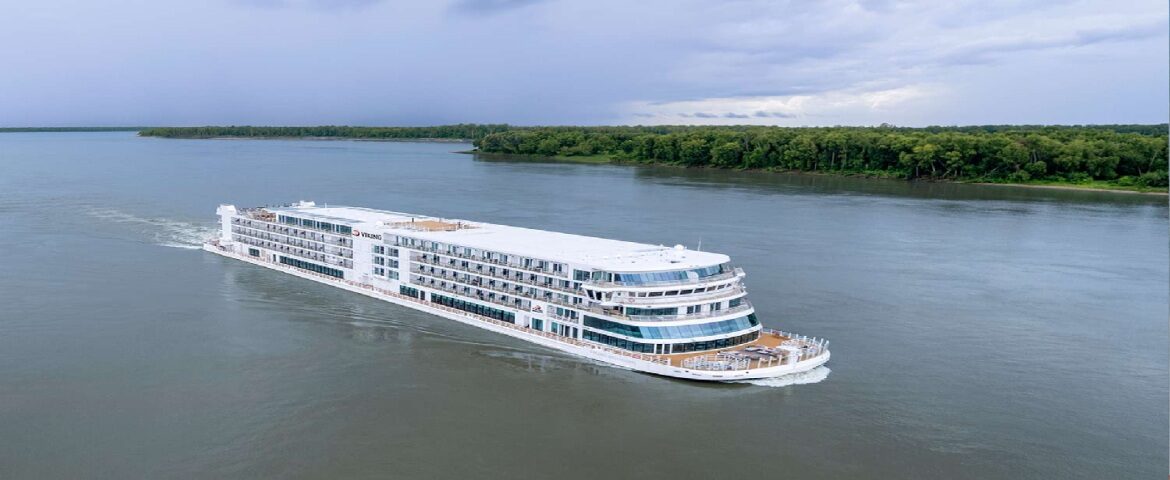
| 10 August | 21 nights | One-way from New Orleans to Minneapolis-Saint Paul |
450-628-6241
Call us
|
| 10 August | 14 nights | One-way from New Orleans to Alton IL |
450-628-6241
Call us
|
| 11 July | 14 nights | One-way from New Orleans to Alton IL |
450-628-6241
Call us
|
| 11 July | 21 nights | One-way from New Orleans to Minneapolis-Saint Paul |
450-628-6241
Call us
|

Port of Vicksburg | Cruise Port Guide
Frequently Asked Questions
Along a quiet diversion channel at the foot of the city. In 1876 the Mississippi cut across a bend and moved away from the wharves; a channel dug at the turn of the 20th century gave Vicksburg its waterfront back.
Yes, but the climb is short and steep: the city is built in tiers on loess hills. The Lower Mississippi River Museum and Washington Street are walkable; the military park, about 3.5 km away, needs transport.
The national military park and the USS Cairo by excursion (two to three hours), then the old courthouse and Washington Street on foot. The Lower Mississippi River Museum, right by the dock, fits neatly at either end of the day.
It preserves the siege lines of 1863: 47 days of trenches, bombardment and privation that gave the Union the Mississippi and, together with Gettysburg, decided the war. More than a thousand monuments dot the green hills, raised by the home states of soldiers on both sides.
An ironclad gunboat sunk in the Yazoo River in 1862, raised a century later and displayed under a large canopy in the military park. Wooden hull, iron plating and recovered objects make a striking snapshot of river warfare.
It explains the mechanics of the great river, its levees, its floods and the work of the Army Corps of Engineers. A real towboat can be explored on dry land, from wheelhouse to cabins — the highlight for visitors of all ages, and it sits right by the landing.
It was here, at the Biedenharn museum and shop on Washington Street, that a confectioner first bottled Coca-Cola in 1894. The period counter and bottling machinery are worth a look, ice cream cone in hand.
Yes. The 1858 building crowns the skyline with its colonnades and white cupola, and its rooms hold siege artifacts, pioneer family keepsakes, newspapers and uniforms. From the gallery the view takes in the river bends, the twin bridges and the Louisiana plain.
The US dollar and English. Credit cards work in the Washington Street shops.
Yes, provided children can handle a history-focused day. The museum towboat and the USS Cairo genuinely interest them. The climb from the dock is steep and Mississippi summers are heavy: bring water.


