Spitz an der Donau Austria
Austria
172
Cruises availables
At departure or passage at this port
AmaWaterways (79 Cruises)
AmaMagna
79 Cruises
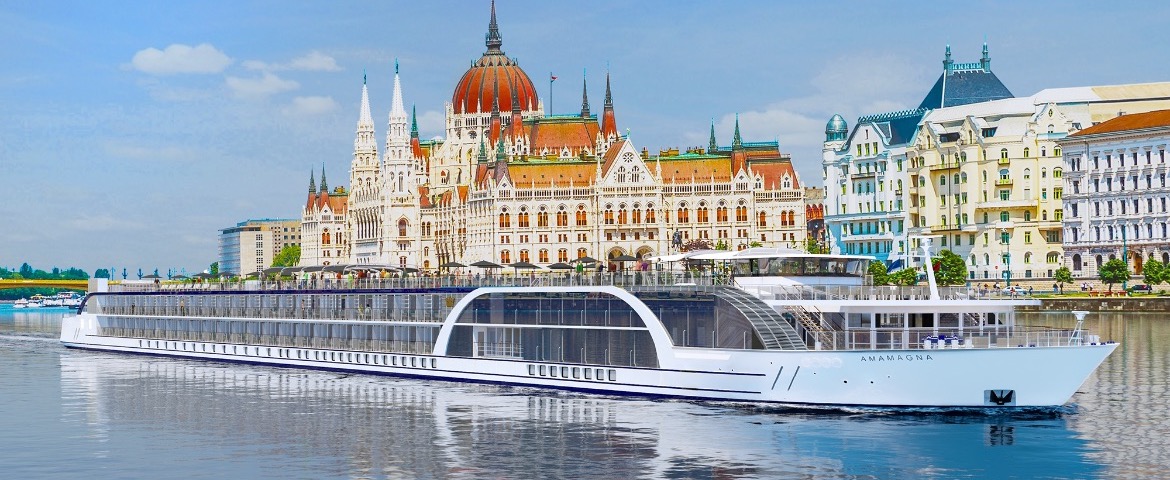

| 7 November | 7 nights | One-way from Vilshofen an der Donau to Budapest |
450-628-6241
Call us
|
| 28 November | 7 nights | One-way from Budapest to Vilshofen an der Donau |
450-628-6241
Call us
|
| 12 March | 7 nights | One-way from Budapest to Vilshofen an der Donau |
450-628-6241
Call us
|
| 19 March | 7 nights | One-way from Vilshofen an der Donau to Budapest |
450-628-6241
Call us
|
| 9 April | 7 nights | One-way from Budapest to Vilshofen an der Donau |
450-628-6241
Call us
|
| 16 April | 7 nights | One-way from Vilshofen an der Donau to Budapest |
450-628-6241
Call us
|
| 7 May | 7 nights | One-way from Budapest to Vilshofen an der Donau |
450-628-6241
Call us
|
| 14 May | 7 nights | One-way from Vilshofen an der Donau to Budapest |
450-628-6241
Call us
|
| 15 October | 7 nights | One-way from Budapest to Vilshofen an der Donau |
450-628-6241
Call us
|
| 22 October | 8 days | One-way from Vilshofen an der Donau to Budapest |
450-628-6241
Call us
|
Emerald Waterways (4 Cruises)


Uniworld Boutique River Cruise (89 Cruises)
S.S. Émilie
89 Cruises
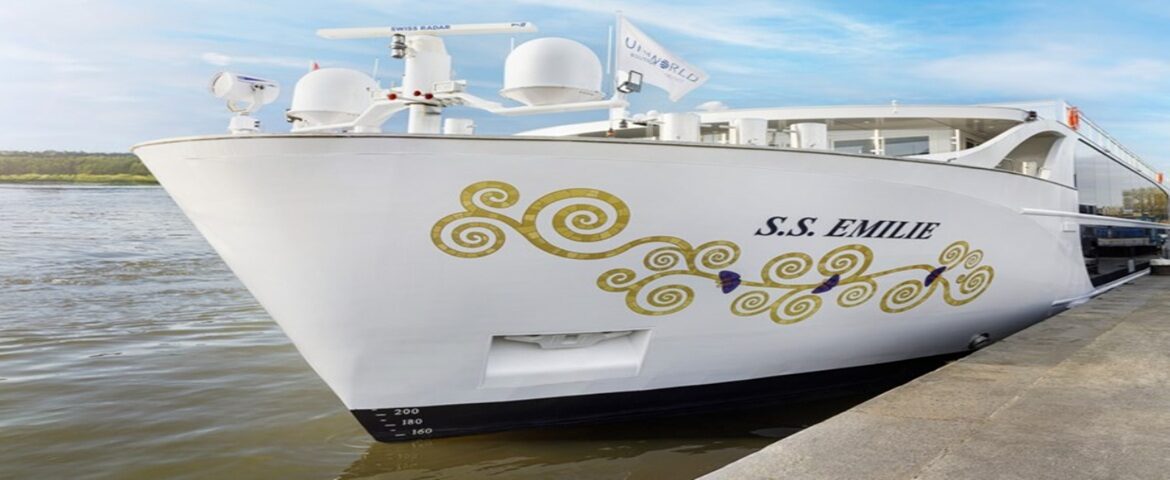

| 30 April | 17 days | One-way from Belgrade to Prague |
450-628-6241
Call us
|
| 30 April | 14 nights | One-way from Belgrade to Nuremberg |
450-628-6241
Call us
|

Spitz an der Donau, Austria | Cruise Port Guide
Frequently Asked Questions
Along the riverbank, a few minutes' walk from the village centre. No shuttle is needed: as soon as you cross the gangway, the lanes and vineyards take over.
Climb the Tausendeimerberg between the vine terraces, visit the Gothic parish church whose steeple serves as a landmark from the river, then taste local wine in one of the village's wine taverns.
The thousand-bucket mountain: the hill above the village, entirely covered in vines. The nickname comes from the volume of wine it could yield in a good year. A path winds between the terraces; allow an hour round trip, closed shoes recommended.
Entirely. The village has some 1,500 residents and everything sits within a very small area. Only the climb into the vineyards takes effort.
The valley's white wines, Riesling and Grüner Veltliner, served in heurigen, Austria's characteristic wine taverns. Apricot covers the other side of the local table: as jam, as fruit brandy or in dumplings.
On the left bank of the Danube, between Melk and Krems. Spitz is one of the regular stops for the valley's excursion boats, alongside Dürnstein and Weissenkirchen.
The euro and German. Keep some cash: in small wine taverns and at producers' gates, cards are not always accepted.
Yes. The riverside cycle path, one of Europe's busiest, runs through the village and lets you push on to neighbouring places between moorings.
Moderately. The village is very quiet and its main appeal, wine and vineyards, is aimed at adults. The Tausendeimerberg climb suits children who walk well, with benches along the way for breaks.
Spring, when orchard blossom dusts the slopes white and pink, and autumn, which gilds the terraces and fills the presses. Regulars consider these the two finest times to call here.


