San Salvador Island Bahamas Cockburn Town
57
Cruises availables
At departure or passage at this port
Emerald Waterways (9 Cruises)




Viking Ocean Cruises (29 Cruises)
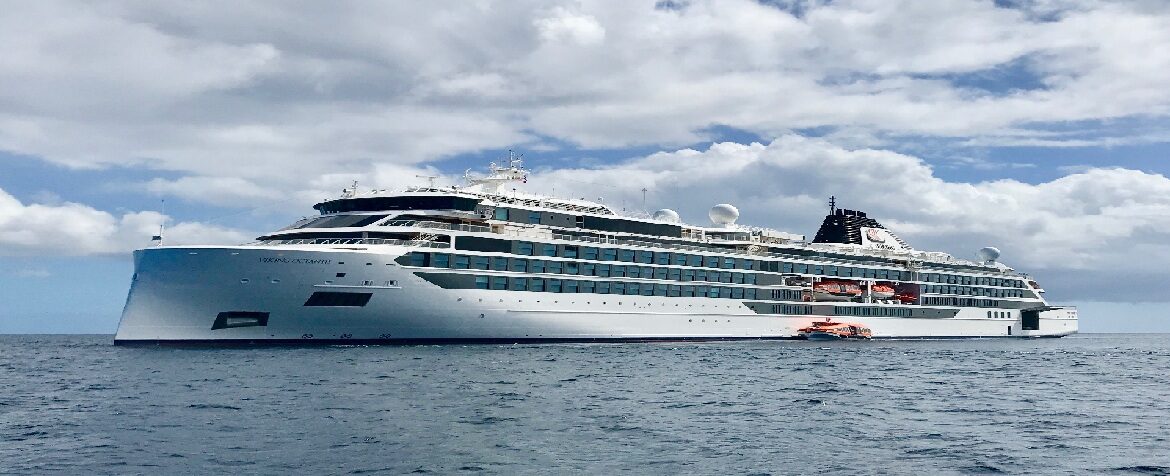
Viking Octantis
18 Cruises

| 2 March | 68 nights | One-way from Buenos Aires to Milwaukee WI |
450-628-6241
Call us
|
| 3 March | 66 days | One-way from Buenos Aires to Milwaukee WI |
450-628-6241
Call us
|
| 15 March | 62 nights | One-way from Buenos Aires to Milwaukee WI |
450-628-6241
Call us
|
| 16 March | 60 days | One-way from Buenos Aires to Milwaukee WI |
450-628-6241
Call us
|
| 19 March | 62 nights | One-way from Buenos Aires to Milwaukee WI |
450-628-6241
Call us
|
| 20 March | 60 days | One-way from Buenos Aires to Milwaukee WI |
450-628-6241
Call us
|
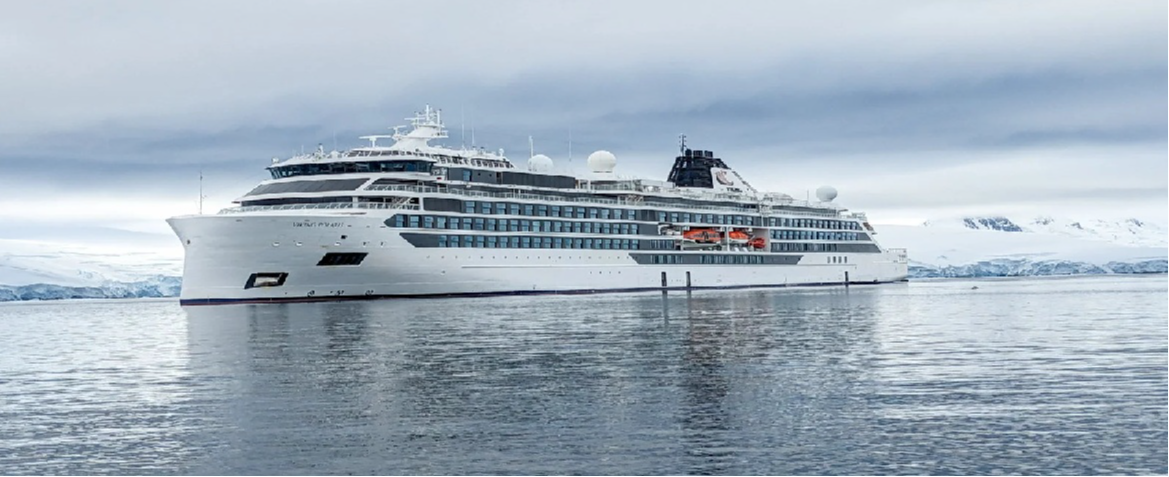
Viking Polaris
11 Cruises
| 14 March | 62 nights | One-way from Buenos Aires to Milwaukee WI |
450-628-6241
Call us
|
| 15 March | 60 days | One-way from Buenos Aires to Milwaukee WI |
450-628-6241
Call us
|

Port of San Salvador Island, Bahamas | Cruise Port Guide
Frequently Asked Questions
At anchor, off Cockburn Town. Tenders land passengers a few kilometres from the town, reached by taxi or on foot along a quiet coastal road.
By the most widely held tradition, it is the land Christopher Columbus first set foot on in the New World, on the morning of 12 October 1492. The island was called Watling's Island until 1925.
The Long Bay cross marking the presumed landing site, the Dixon Hill lighthouse in the northeast, and the town of Cockburn Town. Swimmers head instead for Bonefish Bay.
A white concrete cross facing the sea, south of town, marking the presumed site of the 1492 landing. The spot is not spectacular at all, and that is what makes it unsettling: an ordinary beach, a few palms, the same horizon as five hundred years ago. Other monuments mark the event elsewhere on the coast, reflecting the debate historians still have about the exact route of the first voyage.
Because the island rises from an isolated undersea platform that drops away sharply: a few hundred metres from shore, the walls plunge into deep blue frequented by rays, turtles and reef sharks. Around fifty marked dive sites ring the island, and visibility often exceeds thirty metres.
Yes. Bonefish Bay, near the town, offers an easy entry into a sea that seems lit from within. Bringing your own mask and snorkel makes the day freer, as several reefs are reachable by swimming.
A 19th-century lighthouse in the northeast of the island, still operated by hand: the keeper regularly climbs up to wind the mechanism and fuel the kerosene lamp. The informal visit ends at the top with a full panorama of the island, its brackish inland lakes and the open sea.
A capital of a few streets: wooden houses weathered by spray, colonial administrative buildings, and an enormous almond tree that serves as the public square, where residents trade the day's news. The island has fewer than a thousand residents and a ship's arrival remains an event.
The Bahamian dollar, at par with the US dollar, and English. Bring cash: bank machines and card terminals can be counted on one hand.
With preparation. Taxis are scarce, so agree the return with the driver on the way out, and the sun is fierce on this flat, sparsely wooded island: water and a hat are essential. Swimming at Bonefish Bay and the hand-wound lighthouse appeal greatly to children.


