Itajai Brazil
126
Cruises availables
At departure or passage at this port
Costa Cruises (79 Cruises)
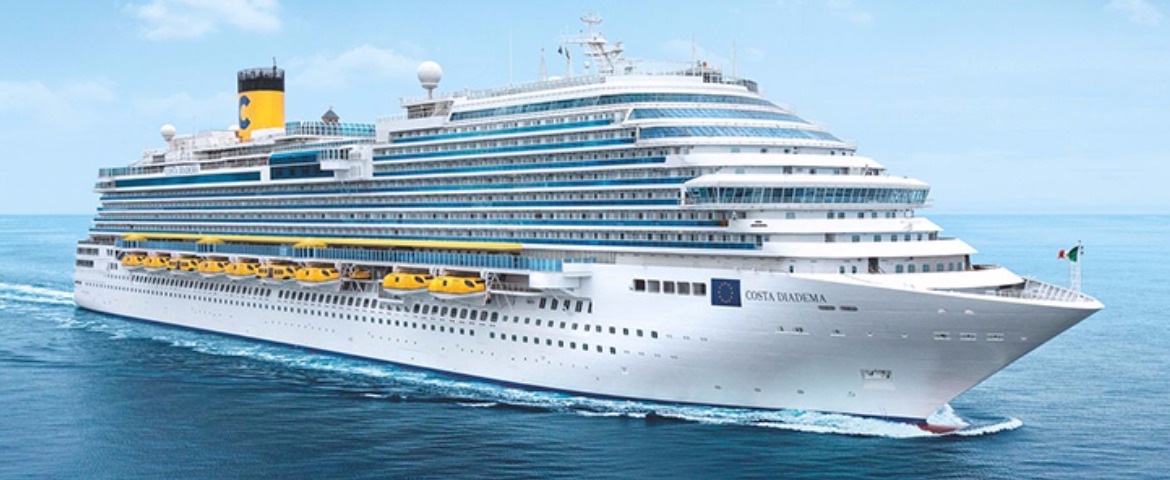
Costa Diadema
79 Cruises

MSC Cruises (39 Cruises)
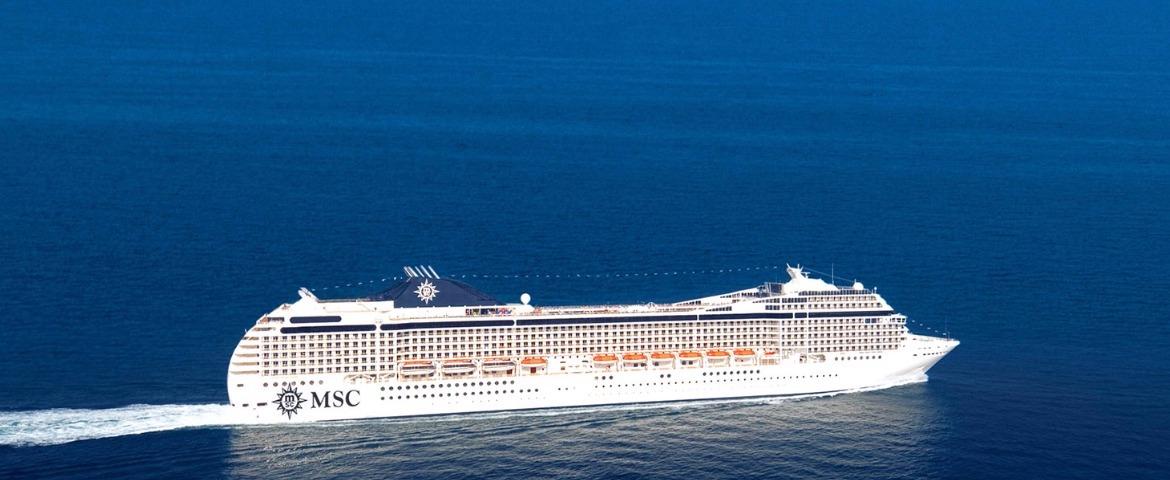
MSC Musica
37 Cruises

Oceania Cruises (7 Cruises)
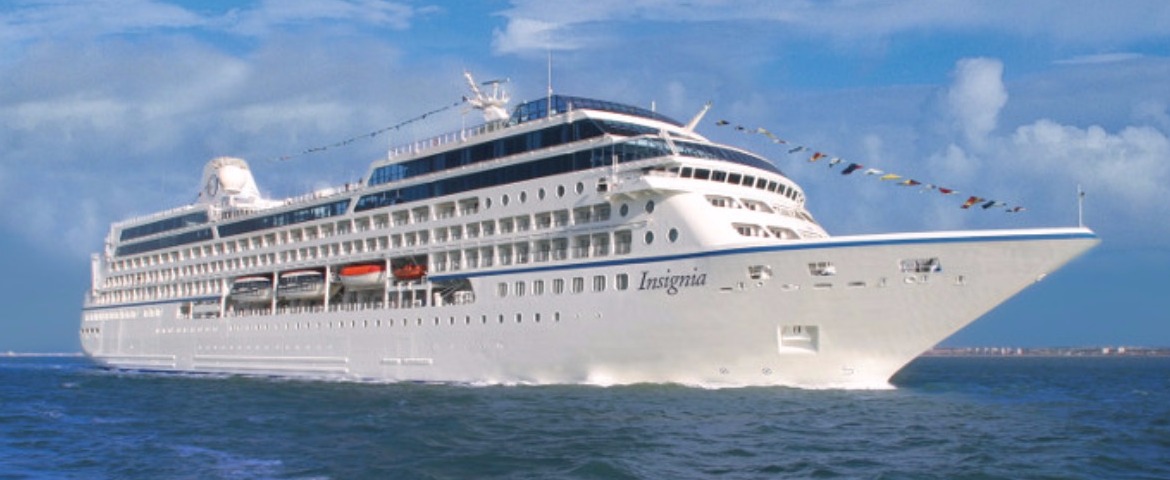
Oceania Insignia
7 Cruises

Silversea Cruises (1 Cruises)
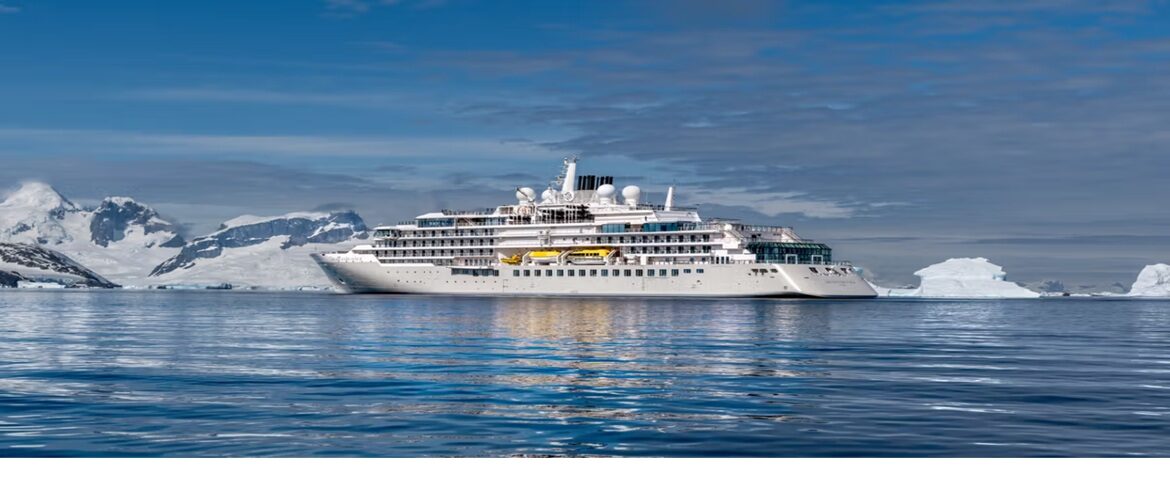


Port of Itajaí | Cruise Port Guide
Frequently Asked Questions
At the terminal on the edge of downtown, along the bank of the Itajaí-Açu river. Ships come up the river mouth past the trawlers, since Itajaí remains one of Brazil's major fishing capitals.
Yes, and it is a rare luxury on Brazil's southern coast. A few minutes on foot from the terminal brings you to the first shopping streets.
The Beira-Rio promenade and the historic centre work on foot in half a day: over a kilometre of riverfront, the mother church, the municipal theatre and the seafood restaurants. Add the molhes by taxi if time allows.
It is the landscaped riverfront facing the docks, running over a kilometre: cycle path, palms, monuments and a row of restaurants known for shrimp, grilled fish and moquecas. Locals gather here at day's end to watch the container ships pass.
Two stone jetties framing the river mouth and reaching about 800 metres offshore. A short taxi ride gets you there; you walk out to the small lighthouse among anglers and surfers, with cargo ships gliding past just tens of metres away.
At Cabeçudas, just south of the jetties. This cove was Santa Catarina's first seaside resort: sand, calm water and old houses, a setting that suits families and stays well away from the crowds.
Yes. It sits about fifteen kilometres south, roughly thirty minutes by road. You get the wall of high-rises facing the ocean, the busy promenade and the Unipraias park cable car that crosses the Atlantic forest to Laranjeiras cove.
Brazilian reais and Portuguese. Restaurants downtown take cards; keep cash for taxis and small counters. English is not widely spoken in this port city, which lives on fishing rather than international tourism.
The southern summer, December through March, brings the warmth and the most usable sea. October deserves a mention: the Marejada, the country's largest sea festival, celebrates the Portuguese heritage over roughly two weeks.
Because the town was settled in the nineteenth century by families from the Azores. You see it downtown around the mother church and the municipal theatre, and you taste it at lunch, in a region where fishing supports thousands of families.


