Trois-Rivieres Quebec Canada
70
Cruises availables
At departure or passage at this port
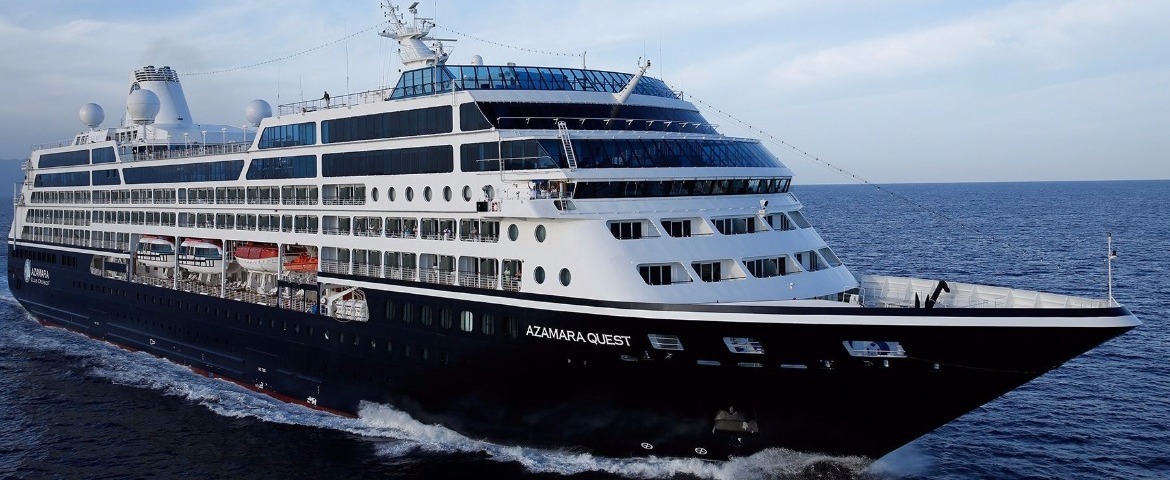
Azamara Club Cruises (2 Cruises)

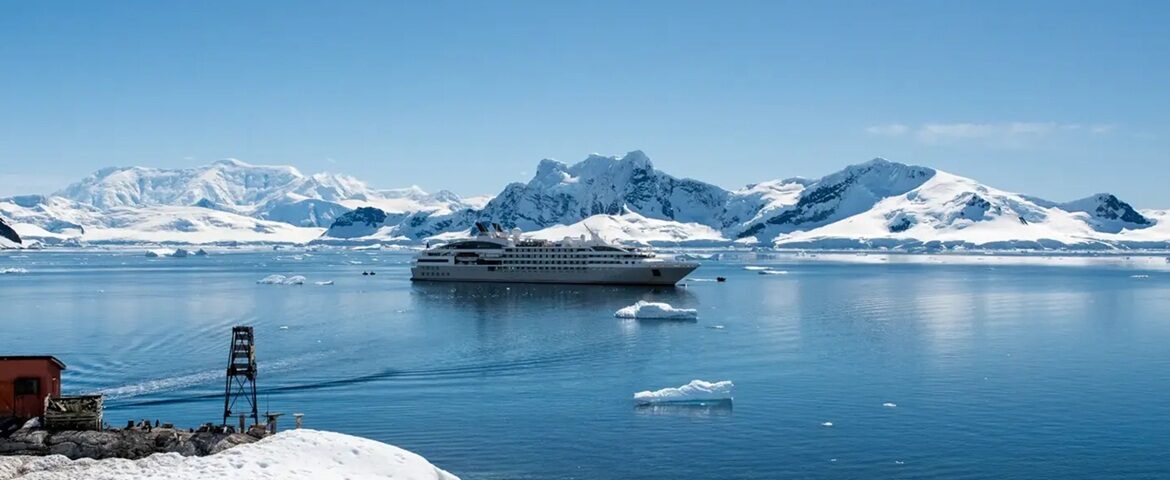
Ponant (2 Cruises)

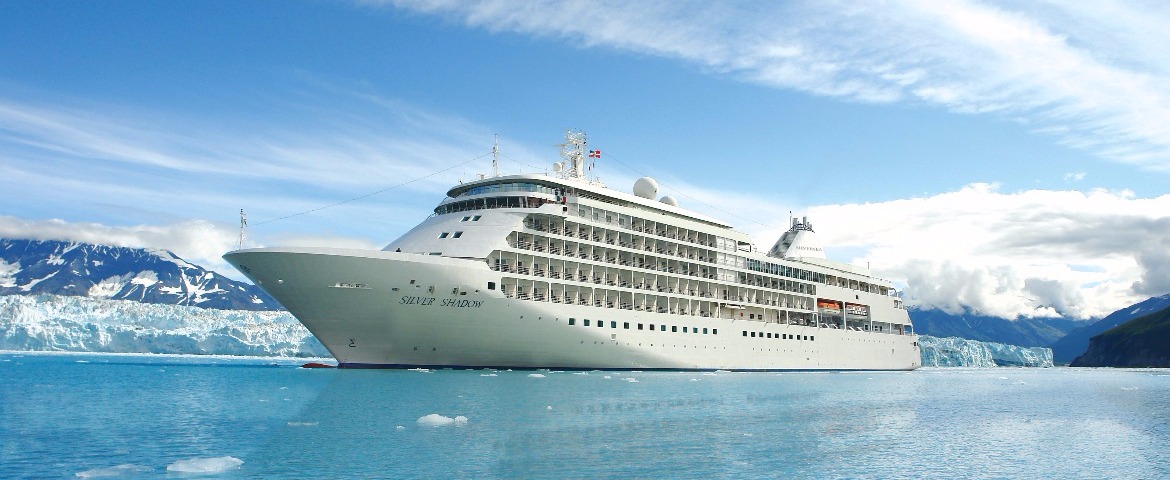
Silversea Cruises (1 Cruises)

Viking Ocean Cruises (65 Cruises)
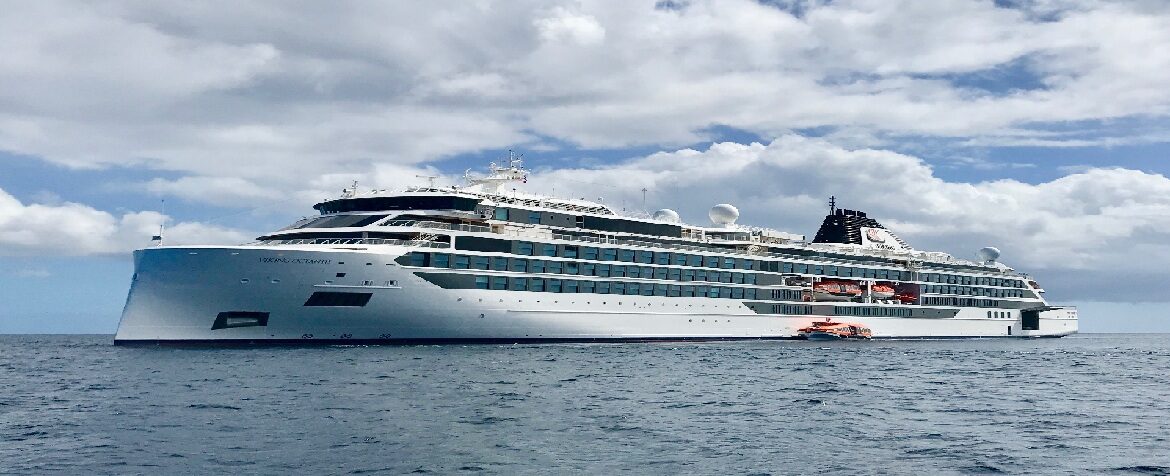
Viking Octantis
40 Cruises

| 2 March | 68 nights | One-way from Buenos Aires to Milwaukee WI |
450-628-6241
Call us
|
| 3 March | 66 days | One-way from Buenos Aires to Milwaukee WI |
450-628-6241
Call us
|
| 20 April | 11 days | One-way from New York to Toronto |
450-628-6241
Call us
|
| 20 April | 12 nights | One-way from New York to Toronto |
450-628-6241
Call us
|
| 15 March | 62 nights | One-way from Buenos Aires to Milwaukee WI |
450-628-6241
Call us
|
| 16 March | 60 days | One-way from Buenos Aires to Milwaukee WI |
450-628-6241
Call us
|
| 27 April | 11 days | One-way from New York to Toronto |
450-628-6241
Call us
|
| 27 April | 12 nights | One-way from New York to Toronto |
450-628-6241
Call us
|
| 19 March | 62 nights | One-way from Buenos Aires to Milwaukee WI |
450-628-6241
Call us
|
| 20 March | 60 days | One-way from Buenos Aires to Milwaukee WI |
450-628-6241
Call us
|
| 1 May | 12 nights | One-way from New York to Toronto |
450-628-6241
Call us
|
| 1 May | 11 days | One-way from New York to Toronto |
450-628-6241
Call us
|
Viking Polaris
25 Cruises
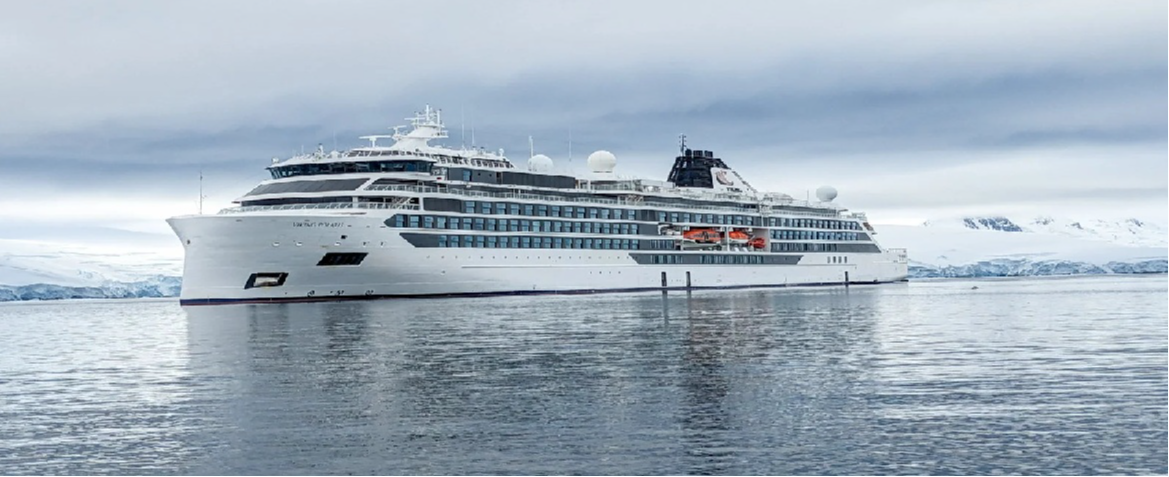
| 14 March | 62 nights | One-way from Buenos Aires to Milwaukee WI |
450-628-6241
Call us
|
| 15 March | 60 days | One-way from Buenos Aires to Milwaukee WI |
450-628-6241
Call us
|
| 26 April | 11 days | One-way from New York to Toronto |
450-628-6241
Call us
|
| 26 April | 12 nights | One-way from New York to Toronto |
450-628-6241
Call us
|
| 29 April | 11 days | One-way from New York to Toronto |
450-628-6241
Call us
|
| 29 April | 12 nights | One-way from New York to Toronto |
450-628-6241
Call us
|

Port of Trois-Rivières, Quebec | Cruise Port Guide
Frequently Asked Questions
Right downtown, after passing beneath the cables of the Laviolette Bridge, the only road link between the two shores for hundreds of kilometres. Patios, museums and three-hundred-year-old streets are a few minutes' walk away.
Old Trois-Rivières and rue des Forges on foot. In half a day, add Boréalis or the pairing of the Old Prison and Musée POP; a full day allows the Cap shrine and time on a terrace.
The oldest street in the city, where the Ursuline monastery has stood since the French Regime with its silver dome and walled garden. The old houses that survived the great fire of 1908 are concentrated in this area.
The paper industry history centre, housed in a former filtration plant at the point where the Saint-Maurice River meets the St. Lawrence. The city was one of the world's newsprint capitals in the 20th century; the exhibits bring back the log drivers, the giant machines and the working families.
Yes. The Old Prison, in service from 1822 to 1986, is toured with guides who describe prison life without varnish. The visit pairs with the neighbouring Musée POP, devoted to Quebec popular culture.
One of the great pilgrimage sites in North America, on the east bank of the Saint-Maurice. Its octagonal basilica with vivid stained glass stands beside an 18th-century stone chapel and gardens sloping down to the river.
The city was founded in 1634, making it the second-oldest permanent settlement in New France after Quebec City.
The Forges du Saint-Maurice historic site, birthplace of Canada's first iron industry in the 18th century, a short distance north. Île Saint-Quentin, at the confluence, offers a beach, trails and picnic areas popular with families.
On rue des Forges, the main street, lined with cafés, microbreweries and patios that stay busy all through the warm season.
The Canadian dollar and French, with the lilting Mauricie accent. Cards are accepted everywhere, and the city is used to visitors without ever having given in to mass tourism.


