Caleta Tortel Chile Patagonia
Chile

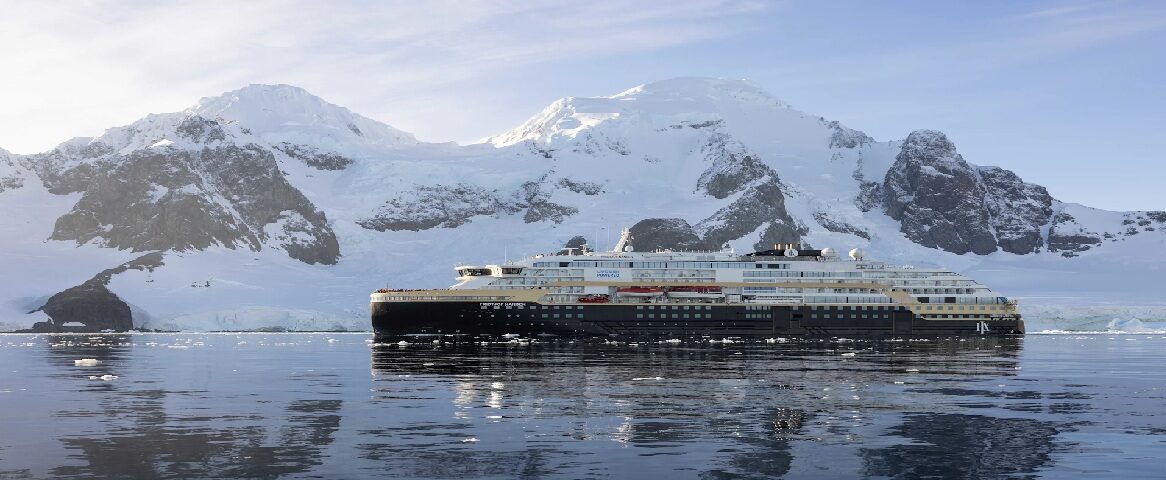
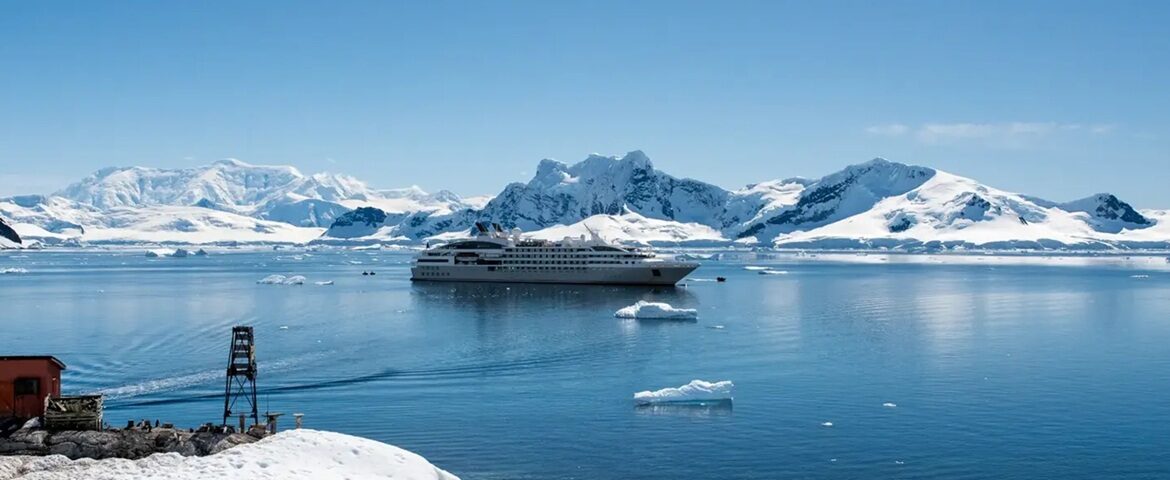
32 Cruises availables At departure or passage at this port

There are no streets in Caleta Tortel. No cars, no asphalt, no honking horns. The village clings to the slopes of a fjord in Chilean Patagonia, and the only way to get around is by wooden walkways — about six kilometres of boardwalks, staircases, and lookout platforms built from Guaitecas cypress, the southernmost conifer on the planet. Expedition ships anchor in the cove; Zodiacs drop passengers at the dock, and silence does the rest. Here you enter one of the most isolated corners of the continent.

A Community Born of the Forest

Founded in 1955 to harvest the cypress abundant in the surrounding forests, the community now numbers about five hundred residents. Wood gave rise to everything here: the brightly painted houses on stilts, the rain-slicked walkways, the boat sheds. This rot-resistant cypress, able to withstand decades in the region's constant humidity, explains the very existence of the village — and its unique look, somewhere between a fishing port and a construction set laid over the forest.

Walking the Boardwalks

The visit consists first of all in walking, with no other purpose than following the planks. The walkways trace the coastline, climb toward viewpoints, and descend again toward coves where boats sit drying. Every turn reveals a slice of daily life: a resident hauling groceries in a wheelbarrow adapted to the boards, cords of firewood stacked under an awning, children walking home from school along the cold water. Sturdy shoes are a must: there are many steps, and they can be slippery in the drizzle. Rain, in fact, is part of the scenery almost every day of the year; a good raincoat turns the inconvenience into atmosphere.

The Realm of the Baker River

The village guards the mouth of the Baker, Chile's most powerful river, whose turquoise waters, laden with glacial sediment, mingle with the fjord. All around, the scenery takes on an overwhelming scale: impenetrable forests, dark cliff faces, clouds clinging to the peaks. Caleta Tortel sits between the two largest ice fields in the Southern Hemisphere outside Antarctica — the Northern and Southern Patagonian Ice Fields — and that geography shows itself in the milky colour of the water and the coolness of the air, even in the height of the austral summer. Developed lookout points offer benches for taking in the estuary, thermos in hand.

The Island of the Dead

A short boat ride away, Isla de los Muertos still holds about thirty wooden crosses planted in the early 20th century. Buried there are workers from a logging company who died in 1906 under circumstances never fully explained — accounts differ, pointing to either an epidemic or abandonment. This small, remote cemetery, maintained by residents, has become a historic monument and adds a solemn note to the fjord's beauty. Some Zodiac or local boat outings allow visitors to approach it.

Encounters and Craftsmanship

A few craft stalls line the route: cypress-wood objects, knitted wool goods, and jams made from wild fruit like calafate, that purple berry said to guarantee a return to Patagonia to anyone who tastes it. Residents, unaccustomed to crowds, welcome visitors with a warm reserve; a greeting learned in Spanish opens up many a conversation about the weather, fishing, and life without roads.

Leaving Without a Sound

As the Zodiacs head back to the ship, the village quickly disappears behind a curtain of fine rain, as if it had never existed. Yet it will remain among the clearest memories of the journey: a place where people settled without imposing their machines, patiently bending wood to fit their daily lives. Patagonia holds grander landscapes; it holds few as touching as this one.

Frequently Asked Questions

By zodiac. Expedition ships anchor in the cove and land passengers at the village pontoon. There is no cruise pier and no terminal: Caleta Tortel is one of the most isolated corners of the continent.
Because the village clings to the slopes of a fjord and everyone moves along wooden walkways: roughly six kilometres of boardwalks, stairs and lookouts built of Guaitecas cypress. No cars, no asphalt, no horns.
Walk, with no aim beyond following the planks. The walkways hug the shore, climb to viewpoints and drop back to coves where boats dry out. Lookouts with benches let you sit and take in the estuary, thermos in hand.
Sturdy closed shoes with grippy soles. There are many steps and they can be slick under drizzle. A good rain jacket matters just as much: rain is part of the scenery nearly every day of the year.
Because the village was founded in 1955 to harvest the cypress of the nearby forests, the world's southernmost conifer. This rot-resistant wood lasts decades in the constant damp: stilt houses, walkways and boat sheds all come from it.
About five hundred. Unused to crowds, residents welcome visitors with a warm reserve; a greeting learned in Spanish opens plenty of conversations about weather, fishing and life without roads.
A small cemetery where some thirty wooden crosses mark the graves of forestry workers who died in 1906, in circumstances never fully explained. Now a historic monument tended by locals, it is approached by zodiac or local boat.
Because of glacial sediment carried by the Baker, Chile's most powerful river, whose mouth the village guards. Caleta Tortel sits between the Northern and Southern Patagonian icefields, the largest ice caps in the southern hemisphere outside Antarctica.
Yes, a few stalls line the route: cypress objects, knitted wool, and jams from wild fruit such as calafate, the purple berry said to guarantee a return to Patagonia. Bring cash in Chilean pesos.
Yes, the air stays cool even in high southern summer, and drizzle is near-daily. This is a fjord climate: damp, shifting, breezy. Dress in layers and take the rain as part of the atmosphere rather than an inconvenience.