Puerto Natales Chile
Chile

131 Cruises availables At departure or passage at this port

Lindblad Expeditions (127 Cruises)

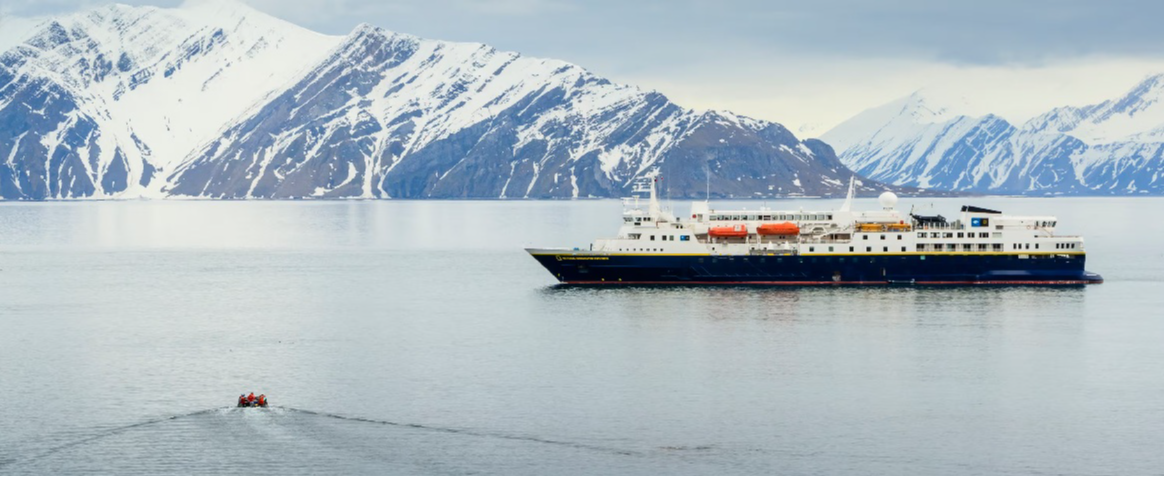
National Geographic Explorer

National Geographic Explorer

218 Passengers
Visit the ship's page
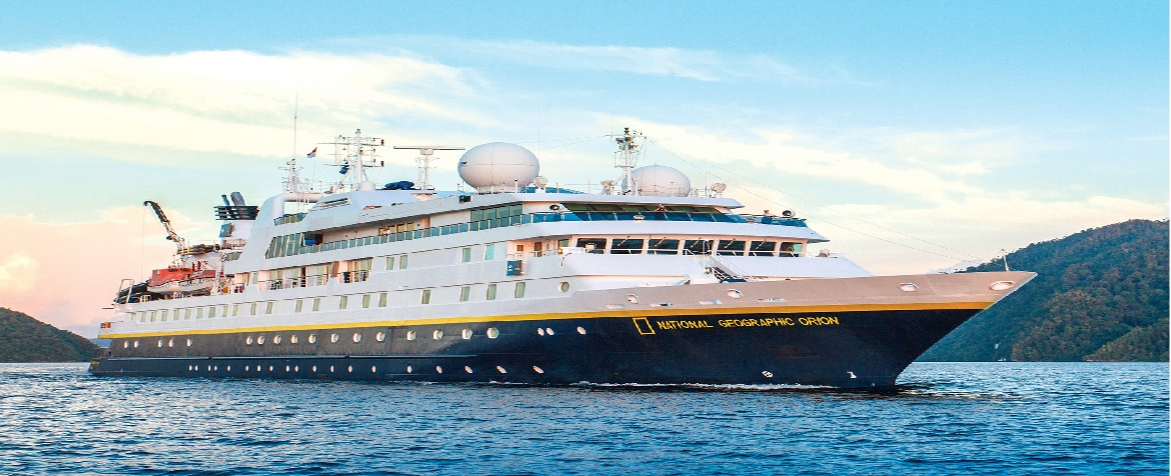
National Geographic Orion

National Geographic Orion

177 Passengers
Visit the ship's page

Puerto Natales, Chile | Cruise Port Guide

The wind arrives before the land. It sweeps down from the peaks, ripples the waters of the Almirante Montt Gulf and tugs at the mooring lines well before the colourful sheet-metal houses appear along the shore. Puerto Natales sits at the end of a maze of fjords, on the Señoret Channel, where Chilean Patagonia narrows between mountains and cold water. The smaller ships that venture this far dock at the maritime terminal, a few minutes' walk from the first streets.

Along the costanera

The waterfront promenade sets the tone for the port call. Black-necked swans glide near the bank, cormorants dry their wings on the pilings, and gusts sculpt the surface of the water into long silvery streaks. Following the costanera, you pass the Monumento al Viento, an open tribute to the town's great local character, then a metal hand rising from the ground facing the fjord. A little farther on, the remains of the Muelle Histórico, the old wooden pier of the Braun & Blanchard company, reach into the water on their weary pilings. At daybreak, when the light skims the mountains, the spot draws photographers as much as birds.

Low streets facing the mountains

Behind the shore, the streets cross at right angles between façades of painted sheet metal, red, blue, green. Shops sell wool, trail maps and warm clothing; cafés serve thick hot chocolate and pastries to travellers returning from the trails. The atmosphere is that of an outpost: everyone has arrived from somewhere else or is about to head farther, backpack on and maps spread out on the tables. You wander with no set route, hot chocolate in hand, looking up at the ridges that close off every view.

The Milodon Cave

Twenty-four kilometres to the north, a cavity 200 metres deep and 30 metres high opens in a limestone massif. In the late 19th century, the skin and bones of an extinct giant sloth, the mylodon, were found here; it has since become the emblem of the region. A life-size replica of the animal greets visitors at the entrance. The trip takes about 25 minutes by road and combines well with a morning in town.

The Última Esperanza fjord

From the pier, boat excursions travel up the fjord named Última Esperanza, the "last hope" of Spanish navigators searching for a passage to the west. Along the way, the cliffs are covered with waterfalls and southern forests, all the way to the Balmaceda and Serrano glaciers flowing down from the ice fields. It's a full, contemplative day, during which you understand why the entire region bears the name of this hope.

At the gates of Torres del Paine

Torres del Paine National Park rises about 150 kilometres away, or nearly two hours by road. Its granite towers, turquoise lakes and guanacos make it one of the great images of Patagonia. As part of a port call, the round trip takes the whole day: it's best to book the organized excursion and keep in mind that the weather often decides the show. Those who stay near the ship don't lose out, as here are a few easy-to-reach highlights:

  • the costanera and its monuments, within walking distance of the terminal;
  • the Milodon Cave, about 25 minutes away by road;
  • the fjord and its glaciers, on a day excursion from the pier.

Leaving with the wind

As the lines are cast off, the colourful rooftops recede and the mountains slowly close up the landscape. What remains is that particular blend of end of the world and gateway that is unique to Puerto Natales. You leave Patagonia promising yourself to return with more time, hiking boots and no schedule at all.

Frequently Asked Questions

At the maritime terminal, a few minutes' walk from the first streets. Only smaller ships venture to the head of this maze of fjords, on the Señoret Channel.
Walk the costanera, the waterfront promenade. Along it you pass the Monumento al Viento, a metal hand rising from the ground facing the fjord, and the remains of the Muelle Histórico, an old wooden pier on tired pilings. Black-necked swans and cormorants complete the picture.
Yes, but it takes the entire day: the park lies about 150 kilometres away, close to two hours by road. Book the organized excursion and remember that the weather often decides what you actually see.
A cavity 200 metres deep and 30 metres high, 24 kilometres north of town. In the late nineteenth century, the skin and bones of an extinct giant ground sloth, the mylodon, were found here, and it has since become the region's emblem.
About 25 minutes by road from the pier. It is the outing that combines best with a morning in town, unlike Torres del Paine which consumes the whole day.
The fjord named last hope by Spanish navigators searching for a westward passage. Boat excursions run up it from the pier to the Balmaceda and Serrano glaciers, between waterfall-streaked walls and southern beech forest. It is a full-day outing.
An outpost. Streets meeting at right angles between painted metal facades, red, blue, green. Wool shops, trail maps, warm clothing, cafes serving thick hot chocolate: everyone has arrived from somewhere or is about to head further out.
Yes, the wind is the great local character, so much so that a monument is dedicated to it. It pours off the summits and ridges the gulf into long silver streaks. Bring a genuine windbreaker, not just a warm jacket.
The Chilean peso and Spanish, though the town, geared to international hikers, uses more English than the rest of Chilean Patagonia. Cards work in downtown businesses.
At daybreak, when the light grazes the mountains along the costanera. Photographers and birds keep the same hours here, and the Muelle Histórico stands out especially well against the fjord then.