Robinson Crusoe Island Chile Juan Fernandez Islands
Chile

32 Cruises availables At departure or passage at this port

Seabourn Cruise Line (21 Cruises)

Robinson Crusoe Island, Chile | Cruise Port Guide

In 1704, a Scottish sailor named Alexander Selkirk was put ashore on this remote Pacific island, more than 600 kilometres off the Chilean coast. He survived there alone for more than four years, and his story inspired Daniel Defoe's most famous castaway: Robinson Crusoe. The island now bears that name, and approaching it by boat, between volcanic cliffs and clouds clinging to the ridges, feels like stepping into the pages of the novel.

Cumberland Bay and the only village

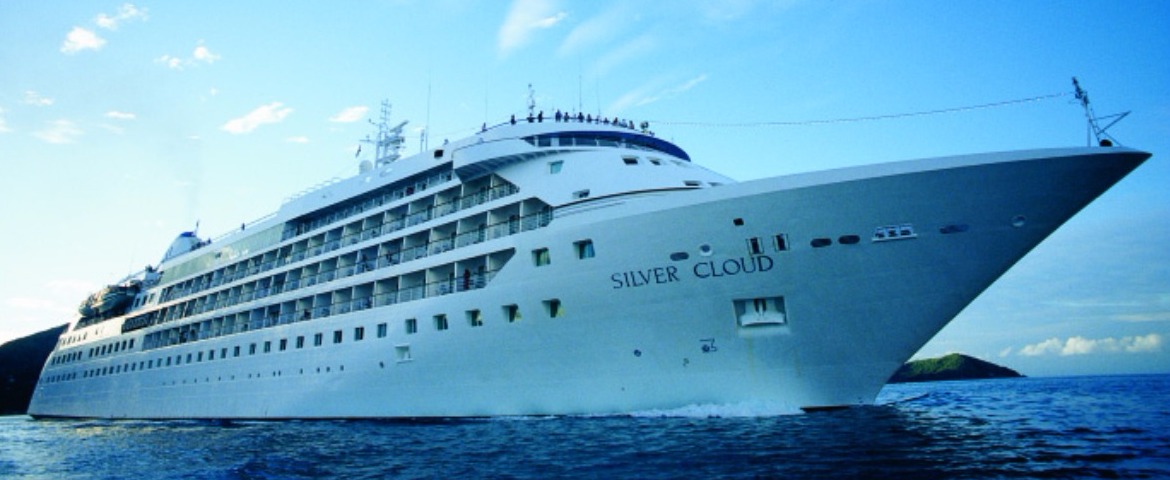
Ships anchor in Cumberland Bay, on the north coast, facing San Juan Bautista, the only settlement in the Juan Fernández archipelago. Tenders drop passengers at a small landing where fishers' traps are drying. Fewer than a thousand people live here, between steep mountains and the ocean; there are no traffic lights or large stores, just sloping lanes, a church, a school and wooden houses facing the sea.

Walking in Selkirk's footsteps

The village can be explored on foot in an hour, but the surroundings tell three centuries of stories. Fort Santa Bárbara, a modest restored Spanish battery, recalls the days when privateers and pirates came to resupply in the bay. The Cuevas de los Patriotas, dug into the hillside, sheltered Chilean independence fighters exiled here in the early 19th century. And in the bay itself lie the remains of the German cruiser Dresden, scuttled here in 1915 after a long chase: divers go down to it, while others make do with imagining the scene from the shore.

A living laboratory

The archipelago is a UNESCO biosphere reserve, and naturalists like to compare it to a miniature Galápagos: much of its flora grows nowhere else on the planet. Looking up in residents' gardens, you may spot the Juan Fernández firecrown, a bright red hummingbird endemic to the island that has become its emblem. Trails climbing toward the ridges pass through giant ferns and damp forests; seasoned hikers aim for the Mirador de Selkirk, the pass where the castaway climbed to watch for sails on the horizon, while others enjoy the more accessible viewpoints above the bay.

Lobster, queen of the port call

You can't leave these shores without mentioning the spiny lobster, caught in traps in the archipelago's cold waters and served in the few family restaurants on the waterfront. Fishers sometimes pull it from the water before visitors' eyes, then prepare it simply, grilled or in a salad, as has been done here for generations. Enjoying it facing the bay, while sea lions play near the buoys, is one of the simple and rare pleasures of this port call.

Good to know before going ashore

  • Tender landing, depending on sea conditions; wear closed-toe shoes for the docks and trails.
  • The village is entirely walkable; longer hikes with a local guide.
  • Limited services: few shops, sometimes unreliable connectivity — an invitation to unplug.
  • Changeable oceanic climate: a windbreaker and a sweater are useful in every season, even in sunshine.

One last look

As the tender pulls away from the landing, the village quickly shrinks beneath the green cliffs, and you understand what Selkirk must have felt watching ships pass offshore. This island isn't presented as an attraction: it's experienced as an interlude, and those who have set foot on it long remember a world apart, wild and astonishingly alive.

Frequently Asked Questions

By tender, sea conditions permitting. Ships anchor in Cumberland Bay on the north coast, facing San Juan Bautista. Tenders land passengers at a small jetty where the fishermen's traps are set out to dry.
Yes. In 1704 a Scottish sailor named Alexander Selkirk was put ashore here and survived alone for more than four years. His story gave Daniel Defoe the most famous castaway of all, and the island now carries the name.
More than 600 kilometres off the Chilean coast, in the Juan Fernández archipelago. San Juan Bautista, the archipelago's only settlement, has fewer than a thousand residents, no traffic lights and no large shops.
The village takes about an hour on foot. Add the Santa Bárbara fort, the Cuevas de los Patriotas, a viewpoint above the bay and a lobster meal. Longer hikes are done with a local guide.
The saddle where the castaway climbed to watch for sails on the horizon. The trail rises through giant ferns and rainforest: it suits experienced walkers. Others make do with the more accessible viewpoints above the bay.
Because much of its flora grows nowhere else on earth. The Juan Fernández archipelago is a UNESCO biosphere reserve, and the Juan Fernández firecrown, a vivid red endemic hummingbird, has become its emblem.
Yes, the remains of the German cruiser Dresden, scuttled here in 1915 after a long pursuit. Divers go down to it; everyone else pictures the scene from shore, which is more than enough to fuel the conversation back aboard.
Lobster, trapped in the archipelago's cold waters and served in the few family restaurants along the waterfront. Fishermen sometimes pull it from the water in front of visitors before preparing it simply, grilled or in a salad.
Few: a handful of shops, an unreliable connection, no supermarket. Treat it as an invitation to unplug rather than a shortfall, and bring Chilean pesos in cash.
A windbreaker and a wool layer are useful in any season, even in sunshine: the oceanic weather turns quickly. Bring closed shoes too, for the jetty and the village's sloping paths.