Strait of Magellan Chile
Chile

52 Cruises availables At departure or passage at this port

Scenic Cruises (22 Cruises)

Strait of Magellan, Chile | Cruise Port Guide

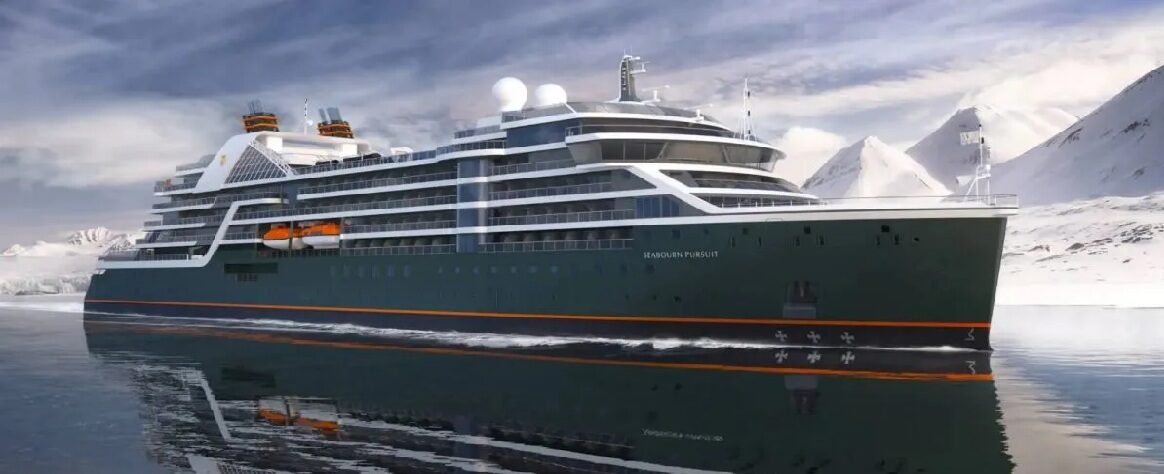
On old maps, this passage between two oceans looked like a tear at the end of the world. The ship enters it slowly, between the tip of the South American continent and the shores of Tierra del Fuego, where Ferdinand Magellan opened the way in 1520, after weeks of hesitation in a labyrinth of channels. No dock awaits you here. The strait is experienced from the deck, bundled up in a coat, hands wrapped around a hot drink, gazing toward shores few humans have ever set foot on.

A route that changed history

For nearly four centuries, this corridor of about 570 kilometres served as the main route between the Atlantic and the Pacific. Sailing ships, then steamers, passed through one after another to avoid the dreaded storms of Cape Horn. The opening of the Panama Canal in 1914 diverted commercial traffic, but cruise ships still follow this route steeped in history. From the deck, you quickly understand why sailors of old spoke of this place with respect: the wind drops and then rises without warning, the light changes from one minute to the next, and the mountains plunge straight into dark water.

What catches the eye along the way

The crossing saves its highlights for those who stay outside. Small, two-toned Commerson's dolphins sometimes escort the hull. Cormorants skim the water, albatrosses glide without a single wingbeat. Around Cape Froward, at the southern tip of the continent, humpback whales surface to breathe during the austral summer. Colonies of Magellanic penguins, which gave the species its name, nest on some of the islands in the area. Every sighting becomes an event: binoculars are passed around, fingers point, breath is held.

Punta Arenas, the port of call in the heart of the strait

Several itineraries include a stop at Punta Arenas, roughly halfway through. This windswept Chilean city prospered in the days when every ship in the world sailed past its docks. Its former shipowners' mansions, its central square adorned with a statue of Magellan and its colourful tin roofs tell the story of this prosperity that came from the sea. If your itinerary includes this stop, a walk through the centre is enough to sense the unique atmosphere of towns at the end of the world.

Crossing highlights

FeatureWhat you need to know
Type of transitScenic cruising, with no landing in the strait itself
DurationA full crossing usually takes 24 to 36 hours depending on the weather
Possible stopPunta Arenas, depending on the cruise line's itinerary
What to bringWarm clothing and windbreaker, binoculars, camera

Spending the day on board

A day in the strait unfolds differently from an ordinary port call. Commentary broadcast from the bridge points out the capes, glaciers and historic bays. The outer decks become the meeting place for early risers, as the low morning light sculpts the landscape better than at any other time. Toward the west, the most mountainous stretch reveals glacier tongues hanging between the peaks. Bring several layers of clothing: Patagonia sets its own pace and weather, never the other way around.

In the wake of the explorers

There is something moving about following, five centuries later, the exact route of an expedition that left Spain with five ships and returned with just one. The names on the map, Useless Bay, Port Famine, Cape Desire, bear witness to the hopes and tragedies of those crews. At the end of the day, as the coast darkens and the birds return to their cliffs, you realize how fortunate you are to cross in complete comfort a passage that cost so much effort to those who found it. This kind of crossing stays with you: it makes you want to reopen the accounts of the great voyages, and perhaps already look there for the next one.

Frequently Asked Questions

No, there is no berth in the strait itself: this is scenic cruising. The passage is experienced from the deck, bundled in a coat, looking out at shores few humans have walked. Some itineraries do include a call at Punta Arenas.
Usually 24 to 36 hours depending on weather, over roughly 570 kilometres. The wind drops and rises without warning, and the timing announced the night before can shift: Patagonia decides.
Because Ferdinand Magellan opened the route in 1520 and this corridor served for nearly four centuries as the main link between Atlantic and Pacific, avoiding the dreaded storms of Cape Horn. The Panama Canal, opened in 1914, drew commercial traffic away.
Commerson's dolphins, small and two-toned, sometimes escort the hull. Cormorants and albatrosses patrol, and around Cape Froward humpback whales surface in southern summer. Magellanic penguins, which gave the species its name, nest on some islands.
Early. The open decks become the meeting point for early risers, since low morning light sculpts the relief better than any other hour. To the west, the most mountainous stretch reveals glacier tongues hanging between the summits.
In layers, with a genuine windbreaker. Binoculars and a camera complete the kit. Patagonia sets the pace and the weather, never the other way around: better one layer too many than one too few.
Yes, generally. Announcements from the bridge identify the capes, glaciers and historic bays. They change the experience considerably: without them, one grey shoreline looks much like another.
The hopes and disasters of the crews. Useless Bay, Port Famine, Cape Desire: these names come from an expedition that left Spain with five ships and returned with one. Reading them on the chart while sailing past changes the whole day.
It depends on the itinerary. Several lines call at Punta Arenas, roughly midway. This Chilean city prospered when every ship in the world passed its quays, and its coloured metal roofs still tell that story.
Yes, provided you are willing to go outside. Late in the day, as the coast darkens and the birds return to their cliffs, you appreciate the luck of crossing in comfort a passage that cost so much to those who found it.