San Andres Island Colombia
9
Cruises availables
At departure or passage at this port
Azamara Club Cruises (6 Cruises)
Azamara Journey
6 Cruises
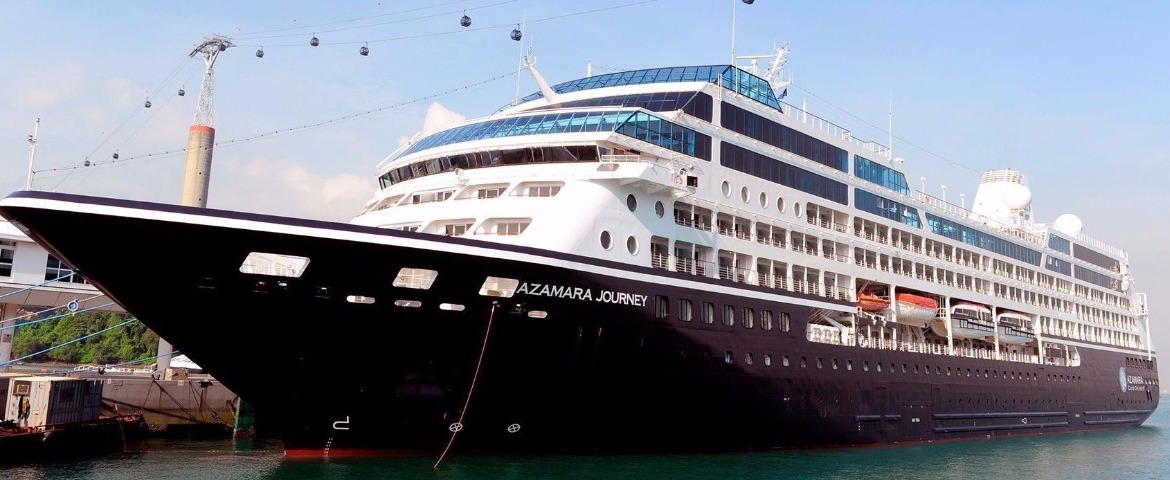

| 14 January | 74 days | Round-trip South America Azamara Journey Miami Fl |
450-628-6241
Call us
|
| 14 January | 75 days | Round-trip from Miami, USA |
450-628-6241
Call us
|
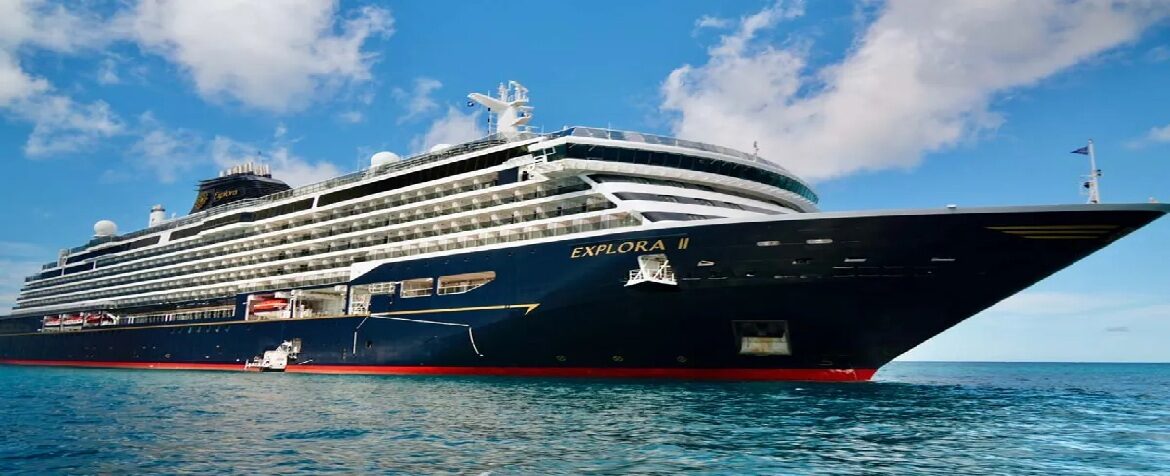
Explora Journeys (1 Cruises)


San Andrés Island, Colombia | Cruise Port Guide
Frequently Asked Questions
By tender. Ships anchor off the west coast and land passengers at the El Cove jetty; from there, about twenty minutes by taxi brings you to town and its long seafront promenade.
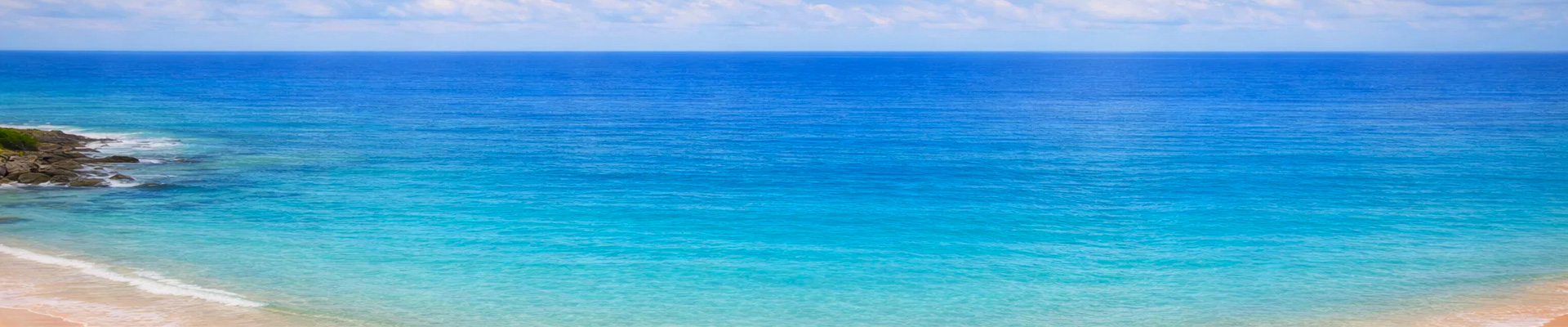
Because from the deck the sea appears in stacked bands, from pale green to near-black blue. The phrase is local and hardly an exaggeration: it is the first thing that strikes you on arrival.
The island's beach heart: a strip of pale sand backed by a pedestrian walkway shaded with palms. On one side the duty-free shops, on the other a calm lagoon where swimmers can stand far from shore.
A regional park set a kilometre and a half offshore, ten minutes by boat: white sand, clear water and thatched huts grilling the day's catch. Its most photographed residents are the iguanas, remarkably placid, roaming freely under the palms.
A sandbank where you swim in shallow water among brightly coloured fish, mask on. Several boats stop there on the way to or back from Johnny Cay: it is the natural companion to that outing.
By renting a golf cart or hopping on a local bus and following the coast road: a loop of about thirty kilometres that takes half a day with stops.
In the south, the Hoyo Soplador intermittently shoots a jet of seawater through a hole in the rock. The quieter west coast offers swim spots like West View, where you climb down into crystal water by a ladder fixed to the rock.
Creole, English-speaking and deeply Antillean, unlike anywhere else in Colombia. Up at La Loma, the island's first Baptist church, founded in the nineteenth century, recalls the heritage of the raizal community, descended from British settlers and freed Africans.
Rondón, simmered for hours in coconut milk, and fried fish with rice and beans. Local cooking marries the Caribbean Sea with creole influences, and tastes as good in a beach hut as in a small restaurant downtown.
December to April, the dry season, with calmer seas for tenders and boat trips. The Caribbean hurricane season runs from June to November.


