Quepos Costa Rica
109
Cruises availables
At departure or passage at this port
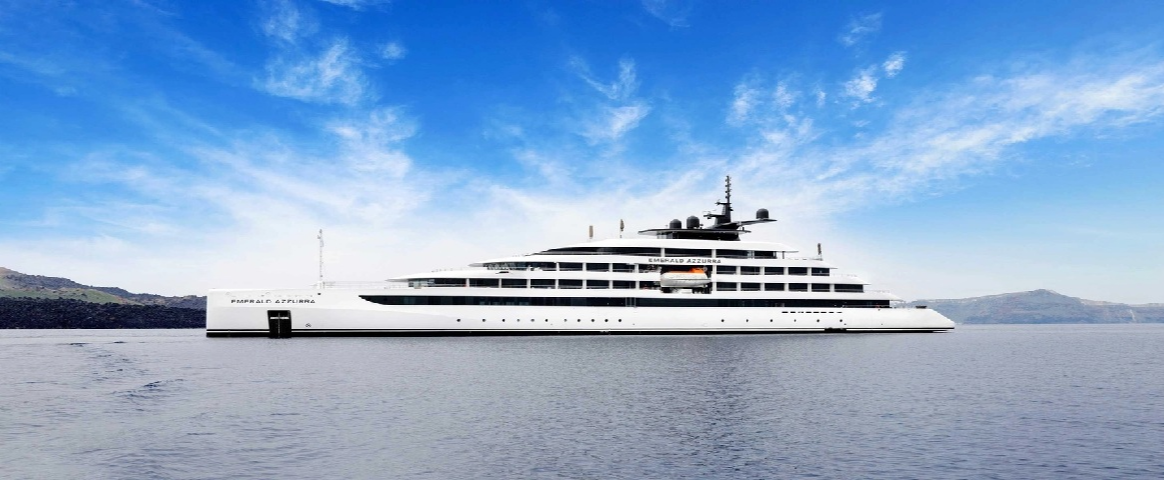
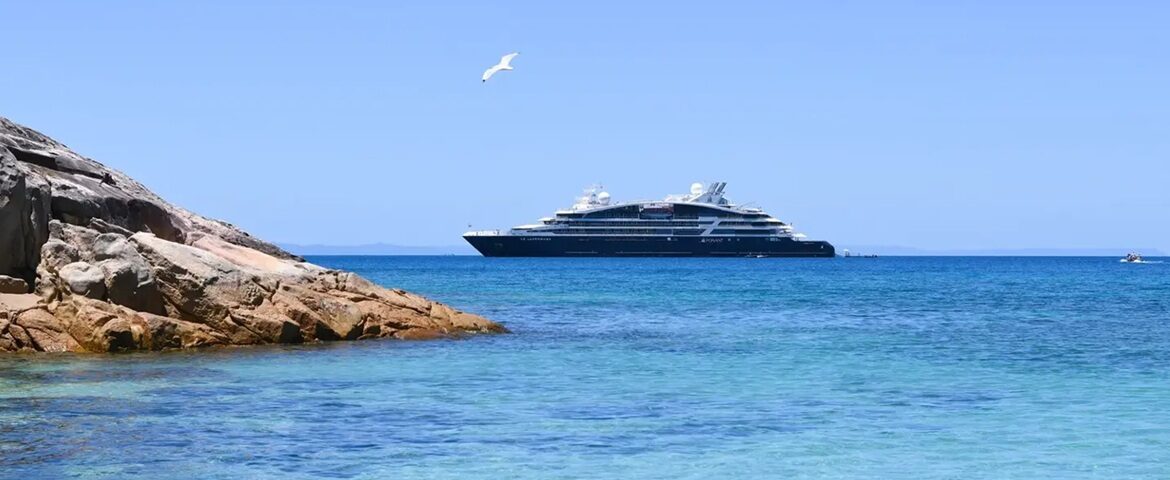
Emerald Waterways (10 Cruises)
Emerald Azzurra
10 Cruises

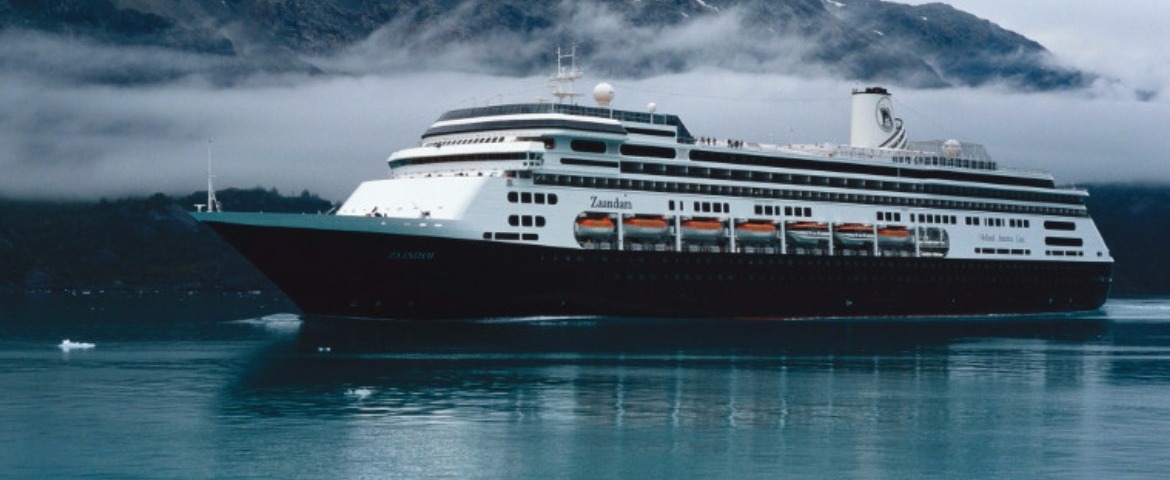
Holland America Line (1 Cruises)

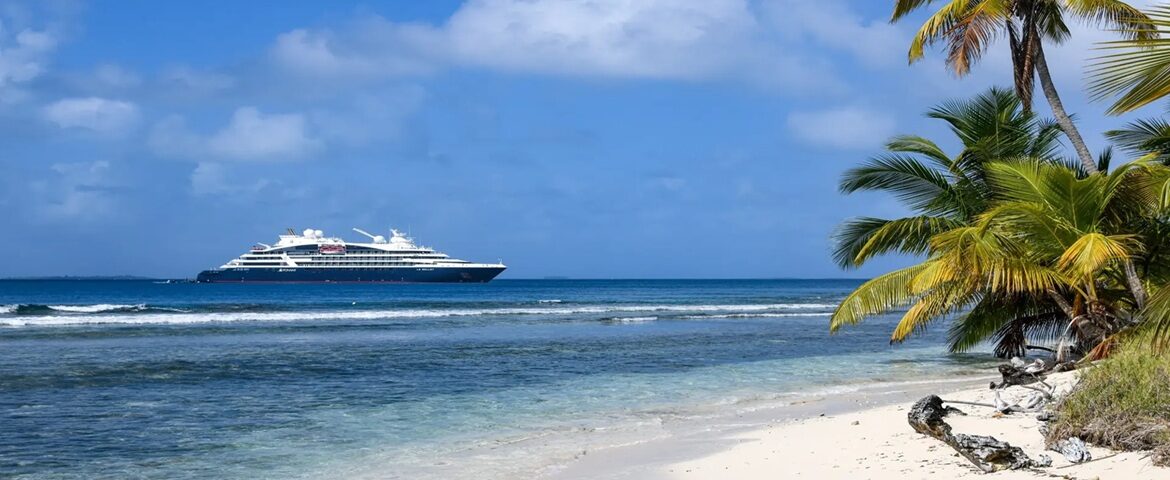

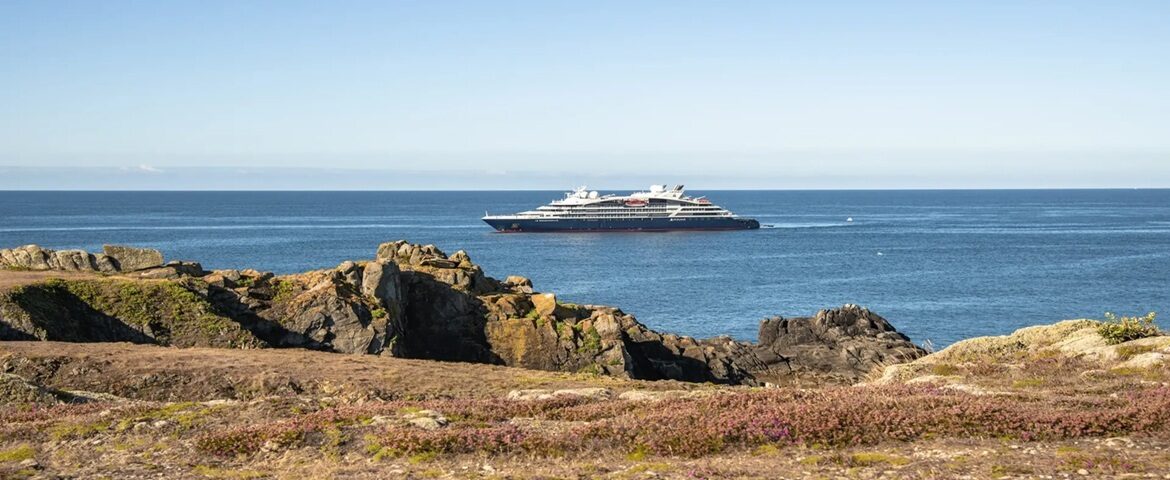
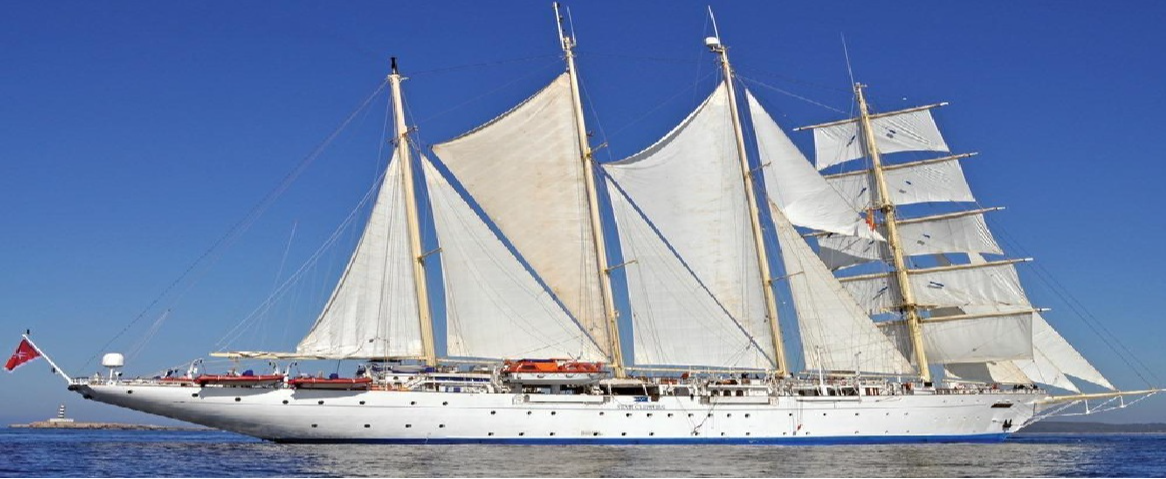
Star Clippers (16 Cruises)
Star Clipper
16 Cruises

Windstar Cruises (72 Cruises)
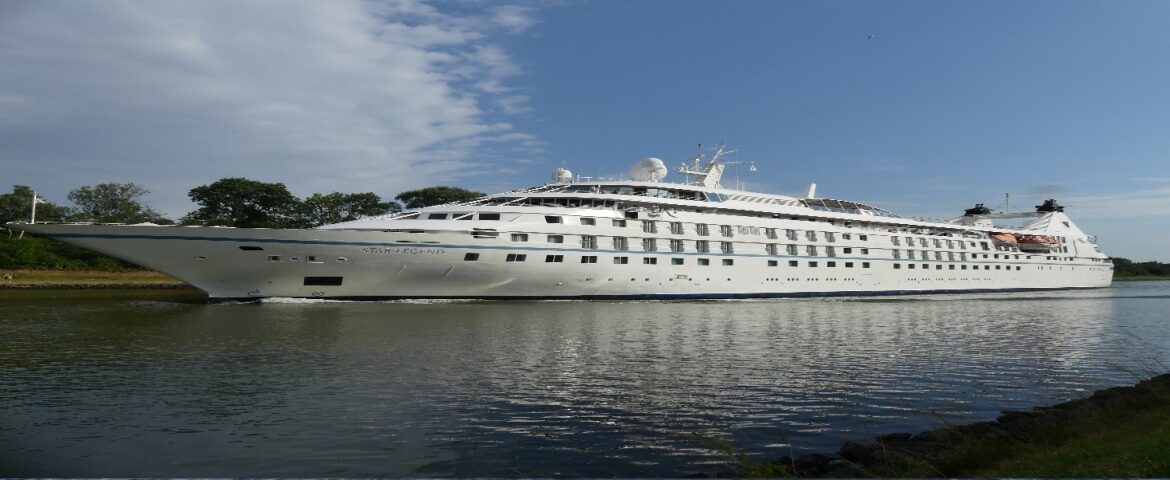
Star Legend
18 Cruises

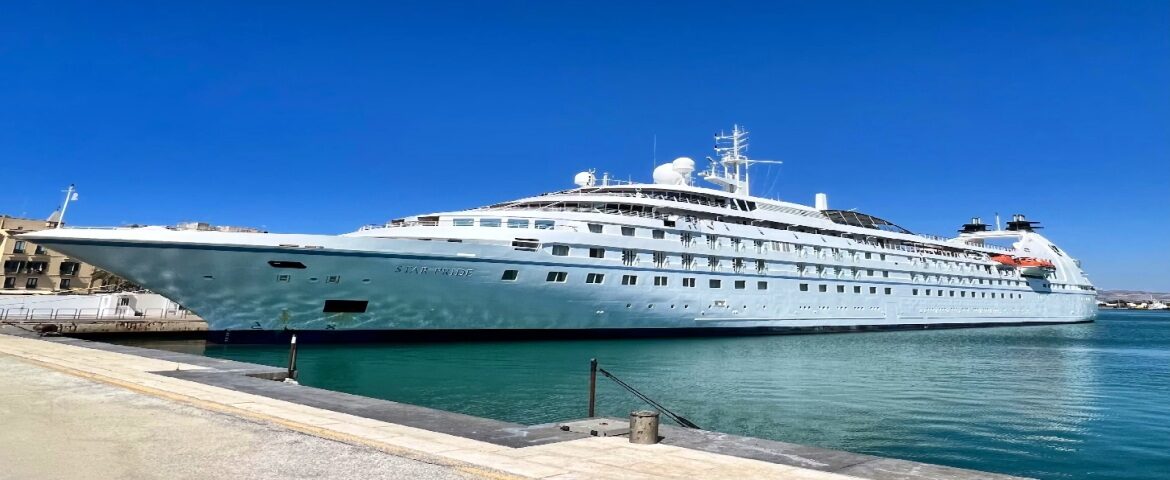
Star Pride
32 Cruises
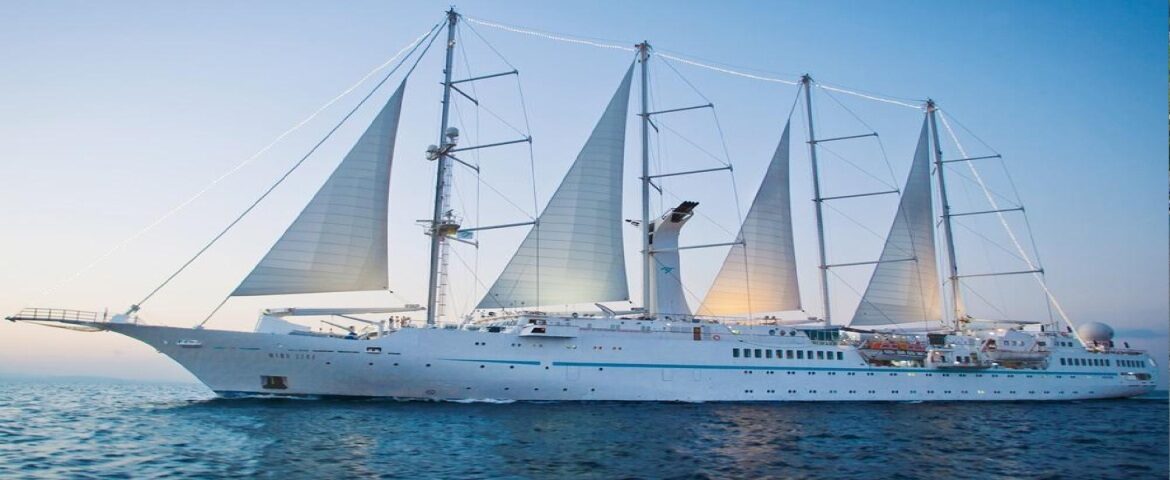
Wind Star
22 Cruises
| 24 November | 18 days | One-way from Bridgetown to Puntarenas |
450-628-6241
Call us
|
| 24 November | 19 days | One-way from Bridgetown to Puntarenas |
450-628-6241
Call us
|

Quepos, Costa Rica | Cruise Port Guide
Frequently Asked Questions
By tender from the anchorage. From the deck, the town appears squeezed between green hills and the ocean, with its marina pontoons in the foreground. The forest here reaches the sea without transition.
For Manuel Antonio national park, one of Costa Rica's best-loved, just a few kilometres from the centre, about ten minutes' drive south. Rarely does a cruise day put you this close to so much wildlife in so few kilometres.
Sloths hanging in the cecropias, cheeky capuchins, iguanas motionless on the trunks and, with luck, the Central American squirrel monkey, an endangered species for which the park protects one of the last refuges.
It changes everything. A guide with a spotting scope finds in ten minutes what the naked eye would miss all day. It is probably the best investment of the call, more so than any activity.
As early as possible. The cool of the morning delivers the best sightings and the quietest trails; animals grow scarce in the heat, just as the groups arrive.
No. Beyond the entrance, flat, well-maintained paths wind between tall trees to crescent beaches considered among the prettiest in the country. The walking suits most visitors.
Marina Pez Vela, with its restaurants facing the pontoons and the sport fishing fleet that makes Quepos one of the world's sailfish capitals. The centre, a few streets gridded between the market and the waterfront, lives at a simple pace.
The midday casado in the sodas, which fills up walkers, and fruit from the stalls downtown. The marina restaurants offer more refined cooking, facing the boats.
The Damas estuary is explored by flat-bottomed boat or kayak at the level of the mangrove roots, realm of herons, crabs and capuchin monkeys. Catamarans follow the protected coast with a snorkelling stop, dolphins often turning up, and the more active can choose ziplines or whitewater.
December to April, the central Pacific dry season: less muddy trails, calmer seas for tenders. From May to November the forest is greener and livelier, but afternoon showers are the rule.


