Catalina Island Dominicana

384 Cruises availables At departure or passage at this port

Costa Cruises (38 Cruises)

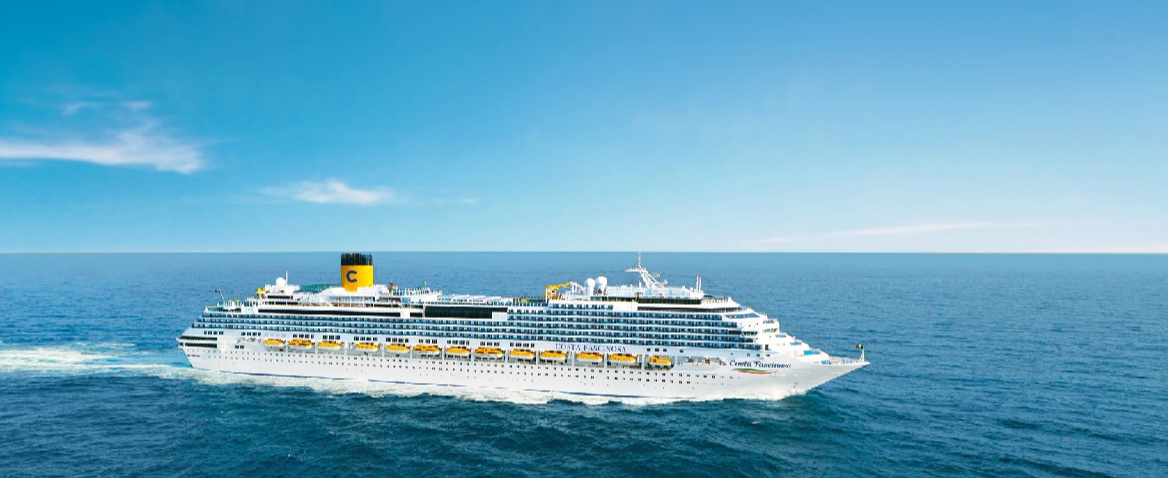
Costa Fascinosa.

Costa Fascinosa

4108 Passengers
114 tons
Visit the ship's page
3 January 14 days Round-trip Eastern Caribbean Costa Fascinosa La Romana
450-628-6241 Call us
3 January 15 days Round-trip from La Romana, Dominican Rep
450-628-6241 Call us
7 January 14 days Round-trip Eastern Caribbean Costa Fascinosa Pointe A Pitre
450-628-6241 Call us
7 January 15 days Round-trip from Pointe-a-Pitre, Guadeloupe
450-628-6241 Call us
10 January 15 days Round-trip from La Romana, Dominican Rep
450-628-6241 Call us
10 January 7 days Round-trip Eastern Caribbean Costa Fascinosa La Romana
450-628-6241 Call us
10 January 8 days Round-trip from La Romana, Dominican Rep
450-628-6241 Call us
10 January 14 days Round-trip Eastern Caribbean Costa Fascinosa La Romana
450-628-6241 Call us
17 January 15 days Round-trip from La Romana, Dominican Rep
450-628-6241 Call us
17 January 14 days Round-trip Eastern Caribbean Costa Fascinosa La Romana
450-628-6241 Call us
21 January 14 days Round-trip Eastern Caribbean Costa Fascinosa Pointe A Pitre
450-628-6241 Call us
21 January 15 days Round-trip from Pointe-a-Pitre, Guadeloupe
450-628-6241 Call us
24 January 7 days Round-trip Eastern Caribbean Costa Fascinosa La Romana
450-628-6241 Call us
24 January 15 days Round-trip from La Romana, Dominican Rep
450-628-6241 Call us
24 January 14 days Round-trip Eastern Caribbean Costa Fascinosa La Romana
450-628-6241 Call us
24 January 8 days Round-trip from La Romana, Dominican Rep
450-628-6241 Call us
31 January 14 days Round-trip Eastern Caribbean Costa Fascinosa La Romana
450-628-6241 Call us
31 January 15 days Round-trip from La Romana, Dominican Rep
450-628-6241 Call us

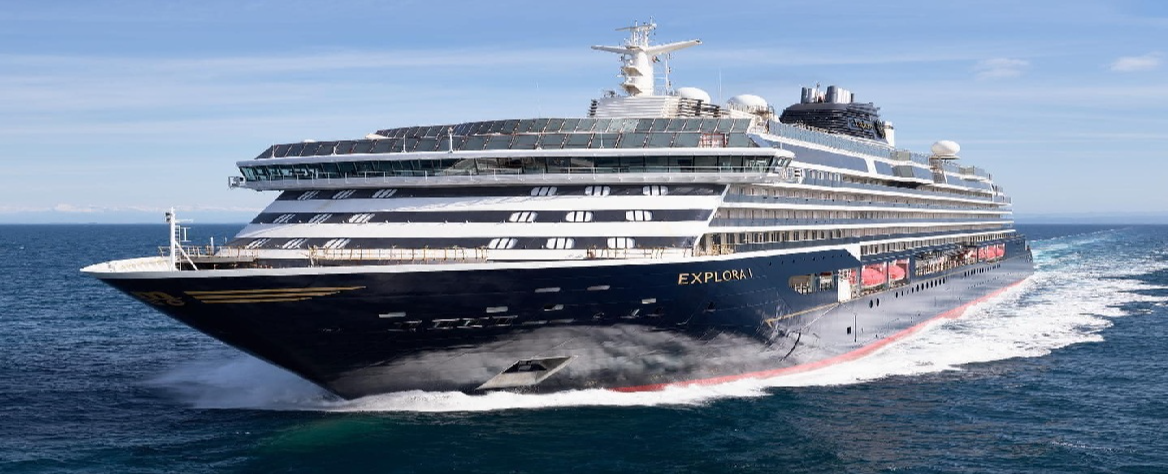
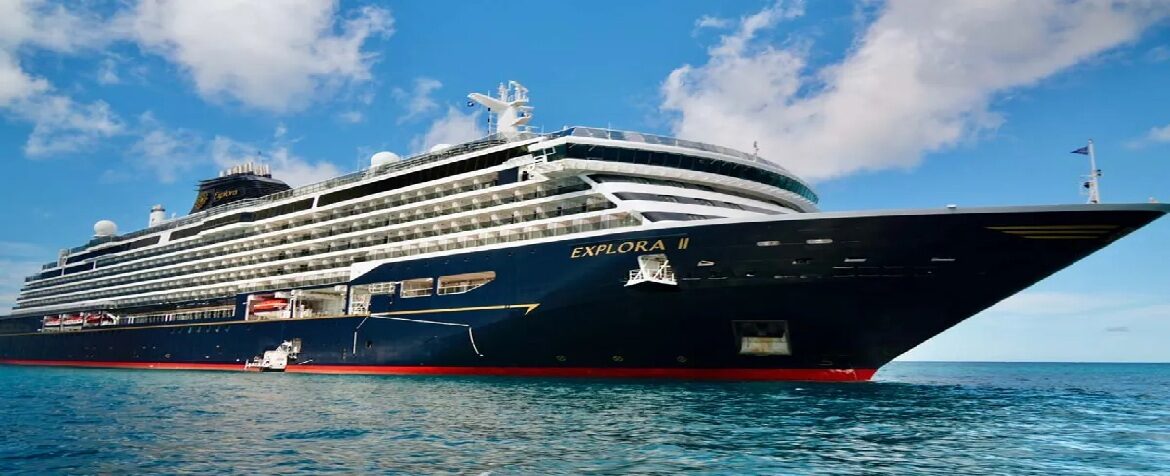
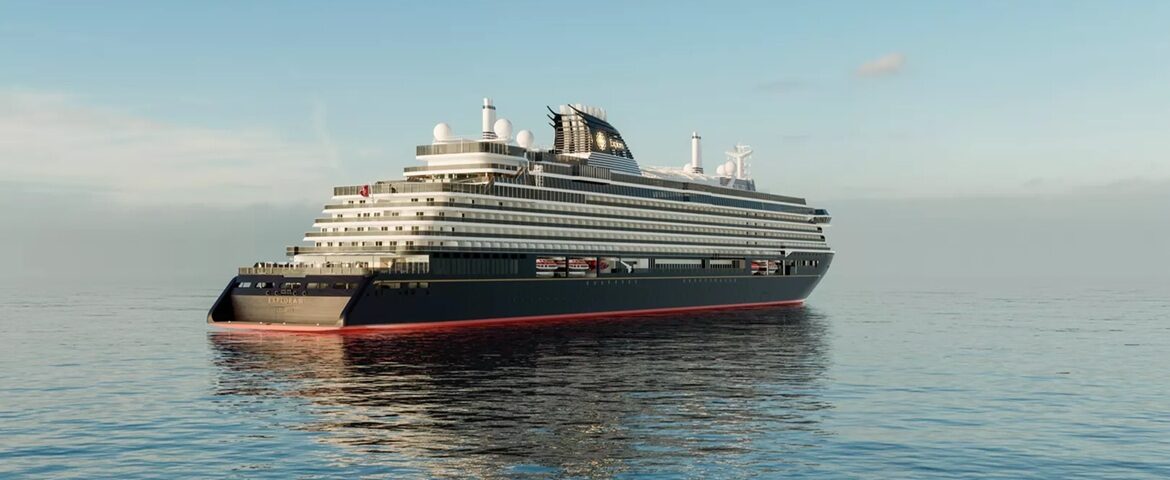
Explora Journeys (16 Cruises)

MSC Cruises (324 Cruises)

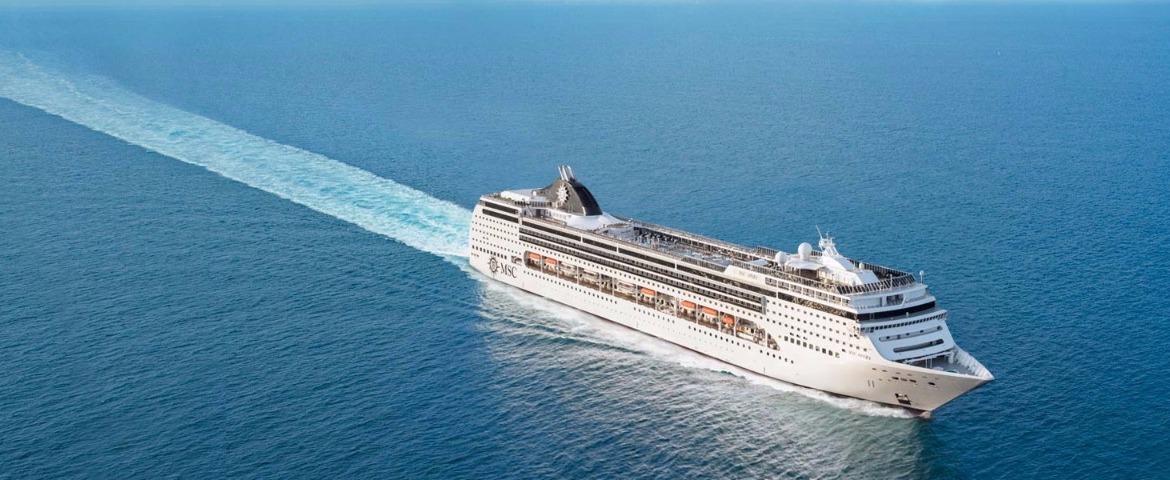
msc opera cruise ship

MSC Opera

2150 Passengers
65591 tons
Visit the ship's page

Port of Catalina Island, Dominican Republic | Cruise Port Guide

No one lives on Catalina. No roads, no village, no permanent dock: ships anchor offshore and tenders drop passengers straight onto the sand. This sliver of coral land, barely ten square kilometres, sits off the southeastern coast of the Dominican Republic facing La Romana and is protected as a natural monument. Flat as a leaf — its highest point barely clears the tops of the coconut palms — it can be taken in with a single glance from the ship's deck. Visitors come here for a full day of sea, reefs, and palm trees: the most stripped-down, and perhaps the most joyful, version of a Caribbean stop.

A Day With Your Feet in the Sand

The beaches on the north and west sides, where cruise lines set up, line up lounge chairs, palapas, and smoking grills beneath the coconut palms. The water, shallow for a great distance, stays remarkably clear almost year-round: families wade in it while swimmers head out along the seagrass beds, where rays and boxfish make frequent appearances. Between swims, visitors walk barefoot out to the rocky points, doze in the shade of a palapa, and watch pelicans dive-bomb into schools of sardines. The rest of the islet remains untouched, brush and cactus, a refuge for seabirds. Around midday, the smell of grilling drifts through the palm grove and gathers everyone under the thatched roofs: marinated chicken, rice with peas, pineapple sliced with sweeping strokes of the knife.

The Wall, a Diver's Drop-Off

Beneath the surface, Catalina has built a solid regional reputation. The site known as The Wall descends in tiers covered with sponges and sea fans, while the Aquarium, more accessible, lives up to its name: clouds of damselfish, trumpetfish, and brain corals move about at shallow depth, right beneath the palms. Currents here generally stay mild, putting these waters within reach of inexperienced divers and casual snorkellers alike. Dive centres and guided outings operate directly from the beach or from Bayahibe, on the nearby mainland.

Captain Kidd's Sunken Treasure

This spot hides a chapter of history worthy of a novel. In 1699, Scottish privateer William Kidd abandoned the Quedagh Merchant, a trading ship he had captured in the Indian Ocean, near these very shores, before going on to plead his case — unsuccessfully — before English courts. The wreck, discovered in 2007 by a university team, can now be visited like an underwater museum: cannons and stone ballast rest in very shallow water, within reach of anyone with a mask. Local dive centres organize short, supervised outings to preserve the site.

Getaways to the Mainland

Several excursions combine the beach with a trip to the mainland: a boat ride up the Chavón River between its green walls, or a visit to Altos de Chavón, an artists' village of limestone perched above the river, with its workshops, amphitheatre, and museum devoted to the Taíno people. The boat ride followed by a short coach trip fits easily into a day's schedule, with departures timed to the tender rotation.

Later in the day, as the tenders bring back the last passengers, the islet returns to its only permanent residents: frigatebirds, pelicans, and hermit crabs. That, perhaps, is Catalina's quiet luxury — a place that comes alive for a few hours, then hands its blank page back to the sea.

Practical Notes

  • Landing by tender straight onto the beach: bring water shoes and a waterproof bag.
  • No permanent shops: services depend on what the cruise line sets up for the day.
  • Bring small bills for vendors and tips; US dollars accepted.
  • A mask and snorkel are worth bringing along, even for non-divers.

Frequently Asked Questions

By tender, straight onto the sand. There is no built pier: ships anchor off this coral island lying in front of the country's southeast coast, opposite La Romana. Bring water shoes and a dry bag.
Nobody lives there. No road, no village, no permanent shop: services depend entirely on what the cruise line sets up that day. This ten square kilometre strip of land is protected as a natural monument, and its highest point barely clears the tops of the coconut palms.
A full day of sea, reef and fins: the most stripped-down and perhaps the most enjoyable version of a Caribbean call. Swimming, snorkelling, barefoot walks out to the rocky points, a doze in the shade of a palapa, and grilled food under the palms around midday.
Shallow for a long way out and remarkably clear almost year-round. Families wade while swimmers work along the seagrass beds, where rays and boxfish appear often. The north and west beaches are where the cruise lines set up.
Yes, and the island has a solid regional reputation. The site known as The Wall drops away in terraces covered in sponges and sea fans; the Aquarium, shallower, lives up to its name. Currents are generally light, putting these sites within reach of inexperienced divers and plain snorkellers alike.
Yes. In 1699 the Scottish privateer William Kidd abandoned the Quedagh Merchant near these shores, a merchant ship taken in the Indian Ocean. The wreck, found in 2007 by a university team, is visited as an underwater museum: cannons and stone ballast lie in very shallow water, reachable by anyone with a mask.
Whatever the cruise line sets up for the day. Around midday the smell of grilling crosses the palm grove and gathers everyone under the thatched roofs: marinated chicken, rice and peas, pineapple cut with broad strokes. There is no permanent restaurant on the island.
Cash in small notes for vendors and tips; US dollars are accepted. The Dominican peso is the national currency, but on the island transactions are mostly in dollars. Do not count on cards.
Very much so. The water is shallow for a long stretch, pelicans dive into the sardine shoals, and a mask alone will occupy a child for an hour. The rest of the islet stays wild, scrub and cactus, a refuge for seabirds.
Yes. Several excursions add a run up the Chavón river between its green walls, or the climb to Altos de Chavón, a limestone artists' village perched above the river, with its workshops, amphitheatre and museum devoted to the Taíno people. The trip is short and fits the timing of a call.