Mosquera Island Galapagos
Ecuador
282
Cruises availables
At departure or passage at this port
HX Expeditions (141 Cruises)
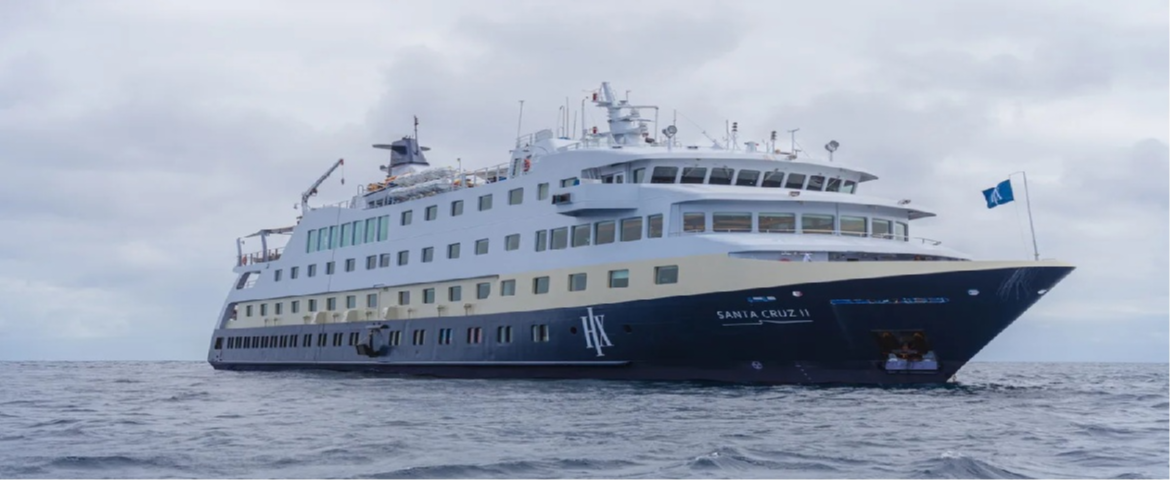
MS Santa Cruz II
141 Cruises

| 22 October | 7 days | One-way from Quito to Guayaquil |
450-628-6241
Call us
|
| 30 October | 14 days | One-way from Callao-Lima to Quito |
450-628-6241
Call us
|
| 29 October | 14 days | One-way from Callao-Lima to Guayaquil |
450-628-6241
Call us
|
| 31 October | 11 days | One-way from Callao-Lima to Guayaquil |
450-628-6241
Call us
|
Tauck Cruises (141 Cruises)
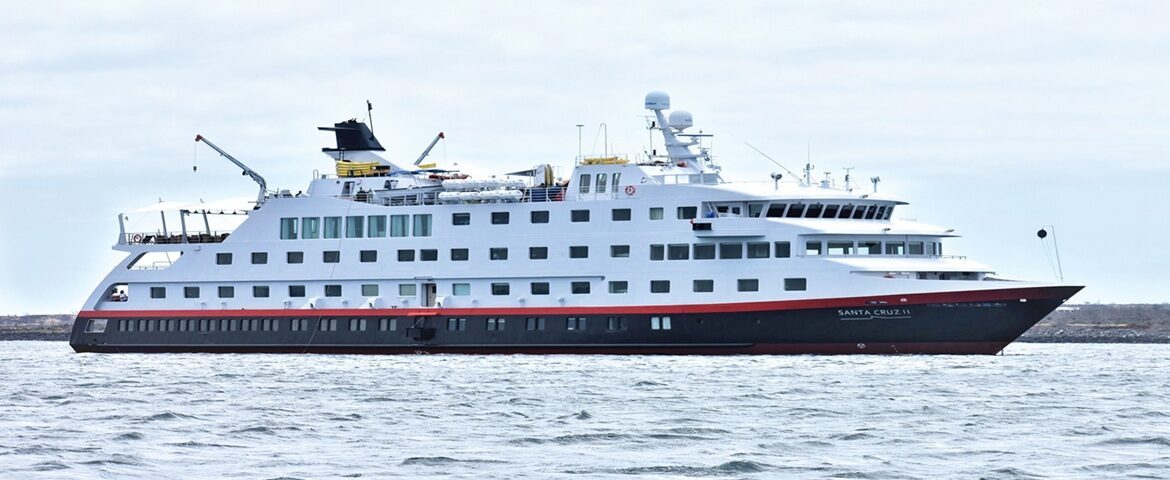
Santa Cruz II
141 Cruises

| 22 October | 7 days | One-way from Quito to Guayaquil |
450-628-6241
Call us
|
| 30 October | 14 days | One-way from Callao-Lima to Quito |
450-628-6241
Call us
|
| 29 October | 14 days | One-way from Callao-Lima to Guayaquil |
450-628-6241
Call us
|
| 31 October | 11 days | One-way from Callao-Lima to Guayaquil |
450-628-6241
Call us
|
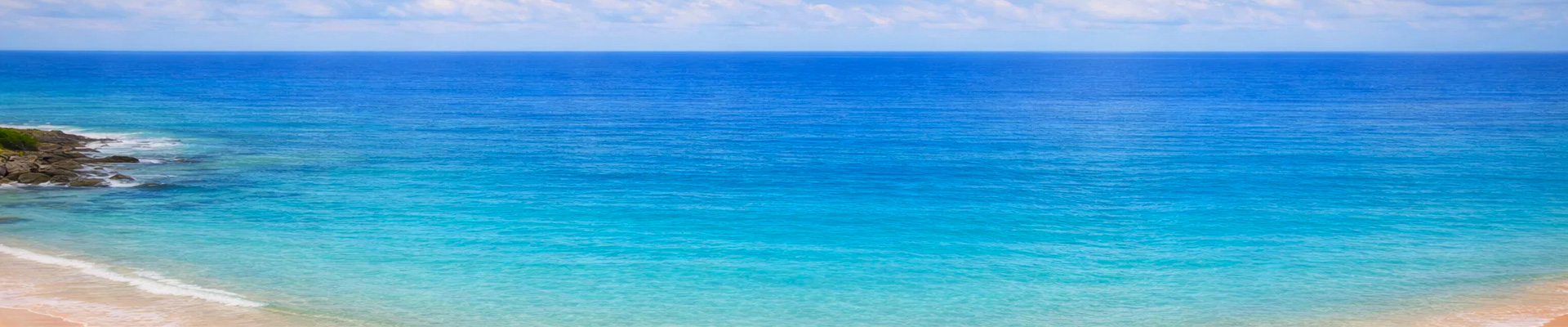
Mosquera Islet, Galápagos | Cruise Port Guide
Frequently Asked Questions
Wedged between Baltra and North Seymour, in the centre of the archipelago. It is a tongue of coral sand a few hundred metres long and about 160 metres wide, with no tree and no hill, barely lifted above the Pacific.
A wet landing: the dinghy noses up to the shore and you step into a few centimetres of warm water. No pier, no marked trail, no infrastructure of any kind. The flat ground is walked freely under the naturalist guide's direction.
One of the largest Galápagos sea lion colonies. They are everywhere: sprawled on the crushed coral by the dozen, piled on one another, playing in the shorebreak. The young sometimes come to inspect visitors closely, circling groups like puppies.
Yes. The hoarse barking carries far across the water, and the dinghy has not touched sand before the whole colony seems to know about the visit. Dominant males patrol their stretch of beach, barking their authority.
Blue-legged red crabs, brilliant against the black lava, scattering in waves at every step. Shorebirds work the tideline, gulls nest in the rocky sections, and frigatebirds cruise overhead.
Yes, when conditions allow. The surrounding water sees rays, sea turtles, barracuda and whitetip reef sharks, while the sea lions turn every swim into an aerobatic display: they dart, spin, brush past swimmers and come back.
Rarely more than two hours, and no more is needed. The islet is tiny and its whole interest lies in the colony and the swim.
None. Not a tree, not a rise. The glare off the coral sand is fierce even under cloud: a hat, sunglasses and sun protection are essential.
About two metres, even when they are the ones approaching. And they do approach: the rule matters all the more because they have no fear of people. A naturalist guide is mandatory, as everywhere in the national park.
Its bareness is exactly the point: nothing distracts the eye from the animal life, which holds the ground with quiet assurance. Few calls fit into so little space; fewer still say as much about the balance of the living world.


