Santa Fe Island Galapagos
Ecuador
334
Cruises availables
At departure or passage at this port
HX Expeditions (134 Cruises)
MS Santa Cruz II
134 Cruises
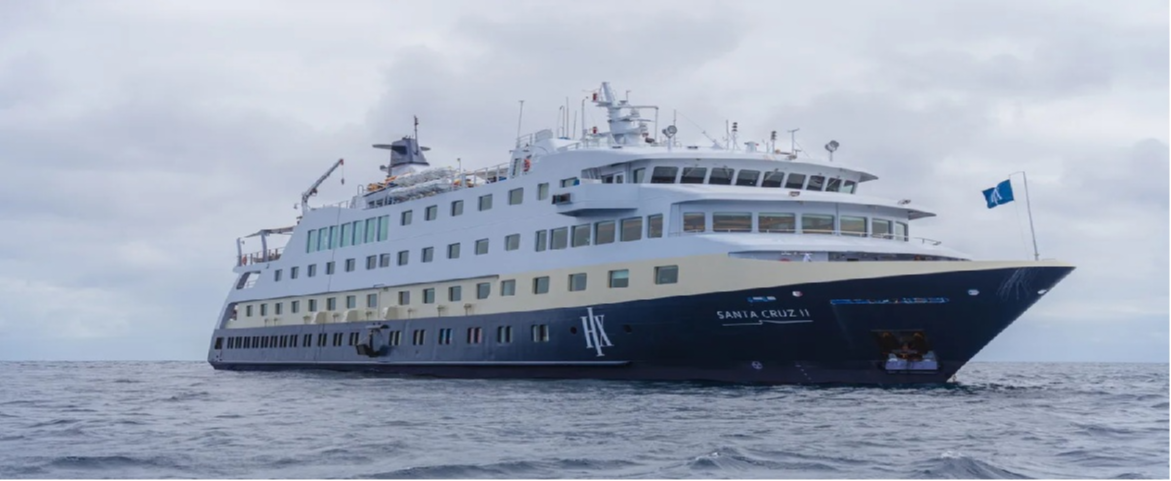

| 29 October | 14 days | One-way from Callao-Lima to Guayaquil |
450-628-6241
Call us
|
| 31 October | 11 days | One-way from Callao-Lima to Guayaquil |
450-628-6241
Call us
|
Lindblad Expeditions (66 Cruises)
National Geographic Gemini
48 Cruises
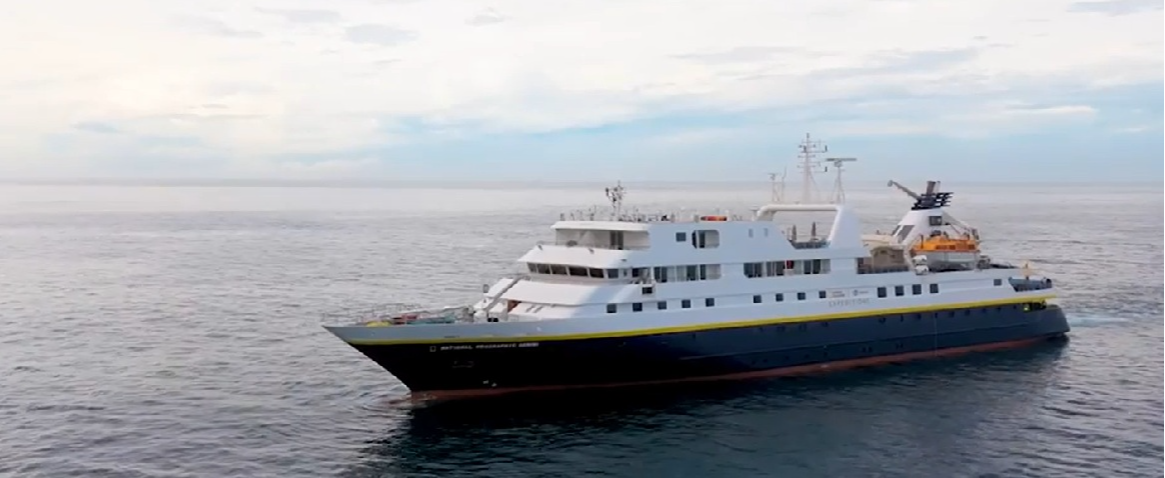

| 23 November | 6 nights | Round-trip from Guayaquil, Ecuador |
450-628-6241
Call us
|
| 24 November | 4 days | Round-trip 6 Night Galapagos Escape Cruise and Land Tour |
450-628-6241
Call us
|
National Geographic Islander II
18 Cruises
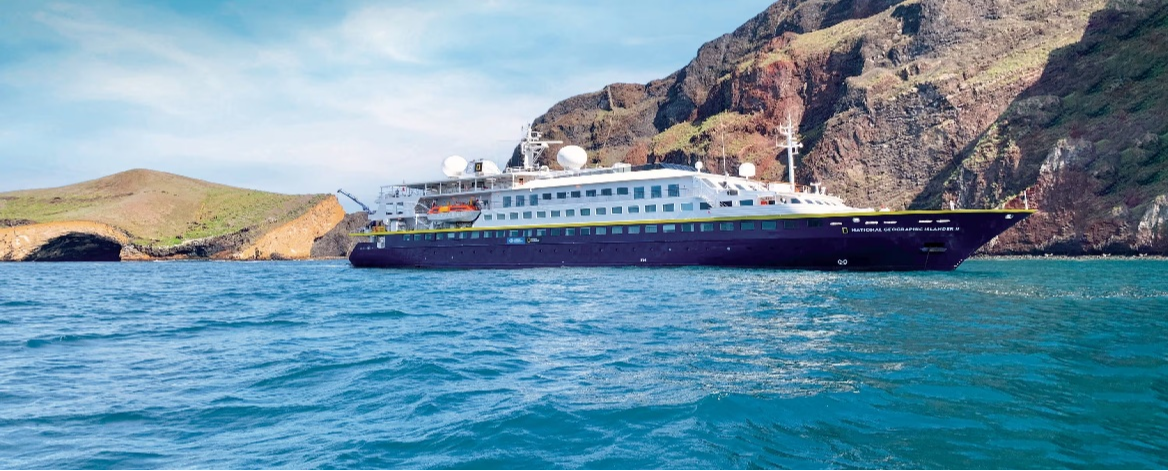
| 24 November | 6 nights | Round-trip from Guayaquil, Ecuador |
450-628-6241
Call us
|
| 25 November | 4 days | Round-trip 6 Night Galapagos Escape Cruise and Land Tour |
450-628-6241
Call us
|
Tauck Cruises (134 Cruises)
Santa Cruz II
134 Cruises
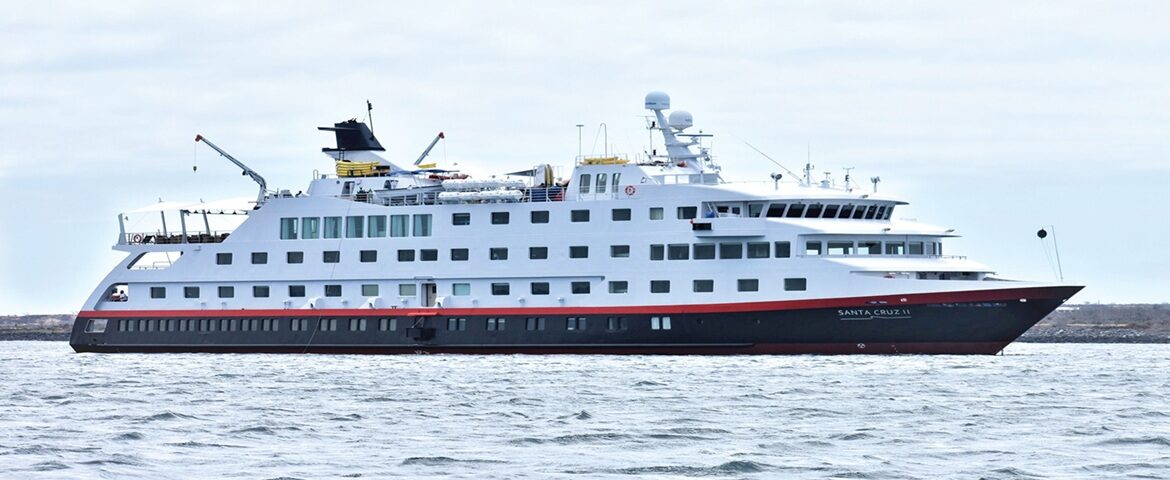

| 29 October | 13 nights | One-way from Callao-Lima to Guayaquil |
450-628-6241
Call us
|
| 31 October | 11 days | One-way from Callao-Lima to Guayaquil |
450-628-6241
Call us
|

Santa Fe Island Galapagos | Cruise Port Guide
Frequently Asked Questions
In Barrington Bay, a turquoise cove sheltered by a rocky peninsula and a line of islets, in the southeast of the Galápagos archipelago. There is no village, no pier and no road.
A wet landing: you step over the side of the zodiac into a few centimetres of water, straight onto the sand. Amphibious sandals or water shoes make it easier, and a dry bag protects cameras and binoculars from spray.
A sea lion colony occupying the beach, indifferent to the landing. Females doze in heaps, pups chase through the waves and the dominant male patrols his territory, barking.
It is a species endemic to this island alone, the largest land iguana in the Galápagos, recognisable by its pale, almost washed-out yellow colouring. You look for it along the coastal trail, often motionless beneath the cacti, waiting for fruit to drop.
Yes, it watches the scene from above, barely bothered by walkers. This raptor is the archipelago's only land predator, and it lets itself be observed here with disarming ease.
They are the most massive tree prickly pears in the Galápagos. Some trunks, as thick as trees, carry their crown of spines several metres off the ground: a patient adaptation against hungry iguanas.
Two. A short loop follows the coast through the cactus forest, and a second, more demanding path climbs to a cliff overlooking the bay and its graded blues.
Among the finest in the archipelago. Sea lions come to play with swimmers, spinning centimetres from masks. Rays, turtles and colourful fish fill out the scene in calm water sheltered from swell by the islet barrier, where visibility often reaches tens of metres.
Kayaks are a fine alternative, keeping you on the surface while still enjoying the clarity of the cove, where sea turtles can be made out gliding beneath the hull.
Naturalists suggest saving it for the return on board. The park favours physical protection — a hat and long sleeves — to preserve the quality of the water where the sea lions play.


