South Plaza Island Galapagos
Ecuador
352
Cruises availables
At departure or passage at this port
HX Expeditions (141 Cruises)
MS Santa Cruz II
141 Cruises
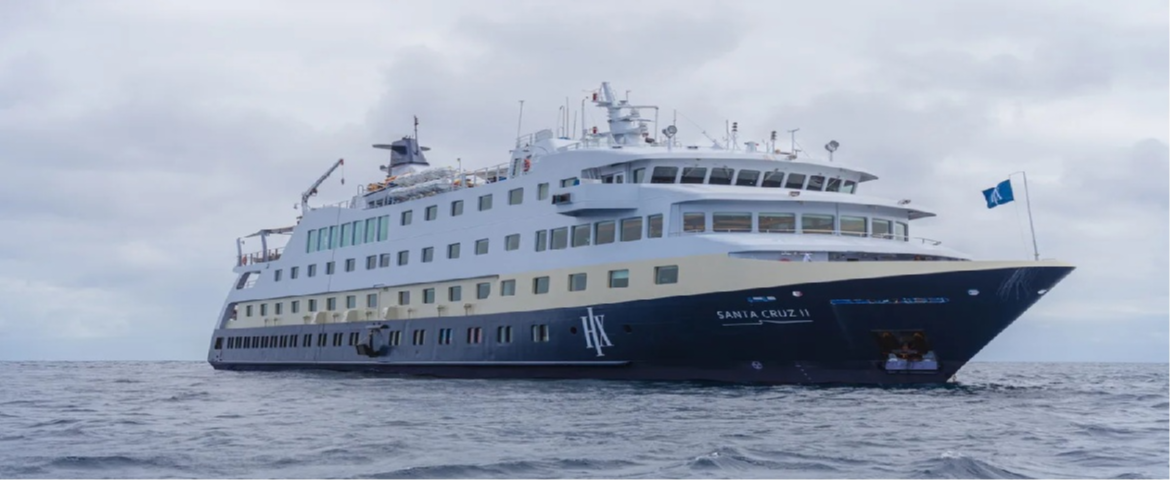

| 22 October | 7 days | One-way from Quito to Guayaquil |
450-628-6241
Call us
|
| 30 October | 14 days | One-way from Callao-Lima to Quito |
450-628-6241
Call us
|
| 29 October | 14 days | One-way from Callao-Lima to Guayaquil |
450-628-6241
Call us
|
| 31 October | 11 days | One-way from Callao-Lima to Guayaquil |
450-628-6241
Call us
|
Lindblad Expeditions (70 Cruises)
National Geographic Gemini
48 Cruises
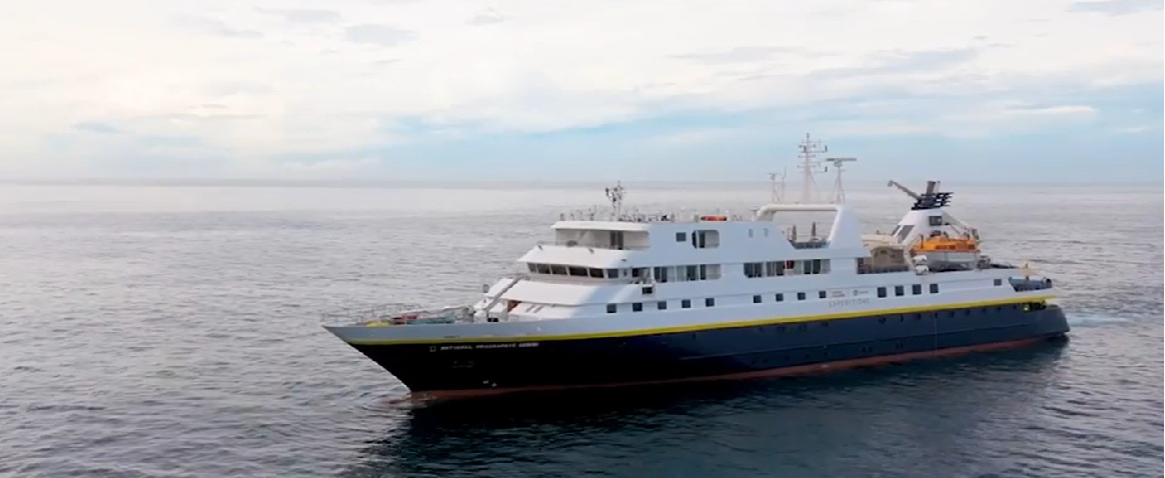

| 23 November | 7 days | Round-trip from Guayaquil, Ecuador |
450-628-6241
Call us
|
| 24 November | 4 days | Round-trip 6 Night Galapagos Escape Cruise and Land Tour |
450-628-6241
Call us
|
National Geographic Islander II
22 Cruises
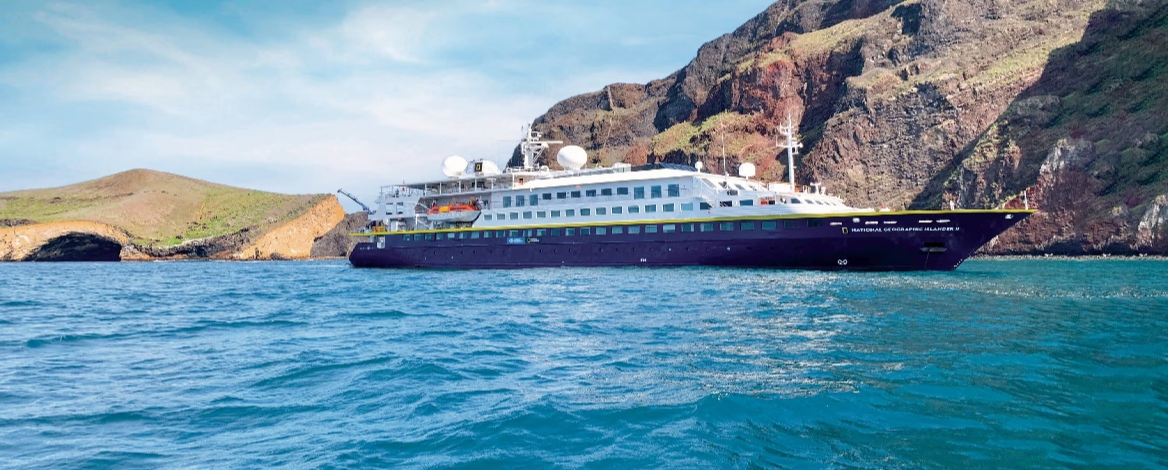
| 27 October | 7 days | Round-trip from Guayaquil, Ecuador |
450-628-6241
Call us
|
| 28 October | 4 days | Round-trip 6 Night Galapagos Escape Cruise and Land Tour |
450-628-6241
Call us
|
Tauck Cruises (141 Cruises)
Santa Cruz II
141 Cruises
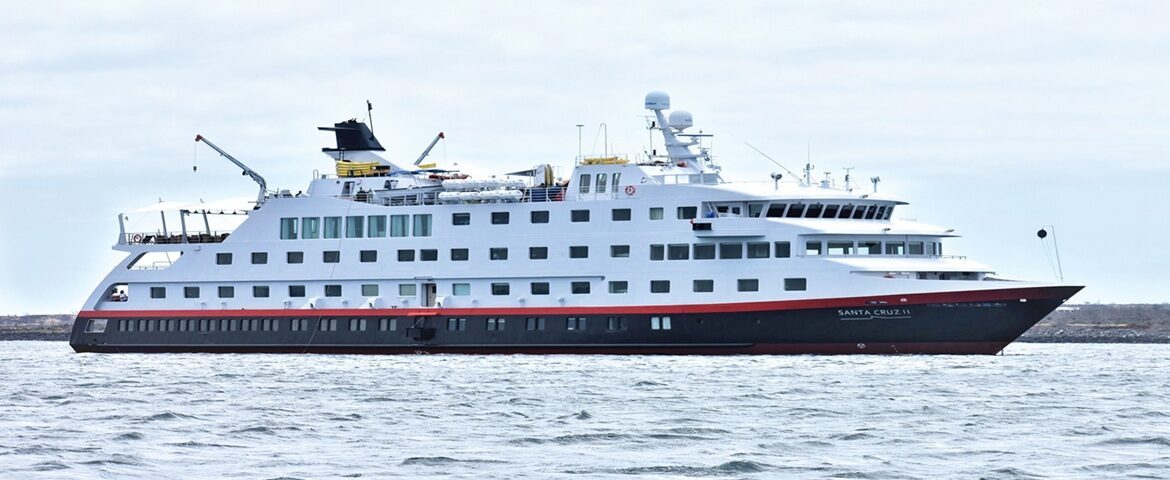

| 22 October | 7 days | One-way from Quito to Guayaquil |
450-628-6241
Call us
|
| 30 October | 14 days | One-way from Callao-Lima to Quito |
450-628-6241
Call us
|
| 29 October | 14 days | One-way from Callao-Lima to Guayaquil |
450-628-6241
Call us
|
| 31 October | 11 days | One-way from Callao-Lima to Guayaquil |
450-628-6241
Call us
|
South Plaza Island, Galápagos | Cruise Port Guide
Frequently Asked Questions
A dry landing, at a small stone jetty. Ships anchor offshore and pangas bring passengers in, where the welcome falls automatically to the sea lions.
About 0.13 square kilometres, one of the smallest visitor sites in the Galápagos. Yet few places in the archipelago show life at such density.
Because of the carpet of sesuvium covering the lava: soft green in the rainy season, red and orange as soon as the dry season sets in. Opuntia cacti raise their pads above that shifting ground.
Some 300 individuals in yellow and ochre tones, one of the densest colonies in the Galápagos. Each waits patiently in the shade of its cactus for an Opuntia fruit or flower to drop, its main food during the dry season.
Yes, and they are the only ones known in the archipelago. Marine males have mated with land females, producing iguanas able to climb cacti and to swim. Naturalist guides enjoy telling this story.
An area at the foot of the cliffs on the south of the island where male sea lions excluded from the harems gather. That is the naturalists' nickname for it. The island holds roughly a thousand sea lions in all.
The wind carries seabirds gliding at eye level, close enough to make out the detail of their plumage. Facing outward, the horizon offers nothing but the Pacific, and that emptiness gives the place a singular intensity.
Half a day, including one to two hours walking the loop. The outing is often rounded out with snorkelling or a visit to a nearby Santa Cruz anchorage.
No, though the ground is rocky: it suits anyone who walks carefully. The trail starts at the jetty, forms a loop and climbs gently toward the southern cliff.
No, it is reserved for scientific research. Only South Plaza receives visitors, in small groups accompanied by a naturalist guide certified by the national park.


