Kom Ombo Egypt
434
Cruises availables
At departure or passage at this port
AmaWaterways (184 Cruises)
AmaDahlia
98 Cruises
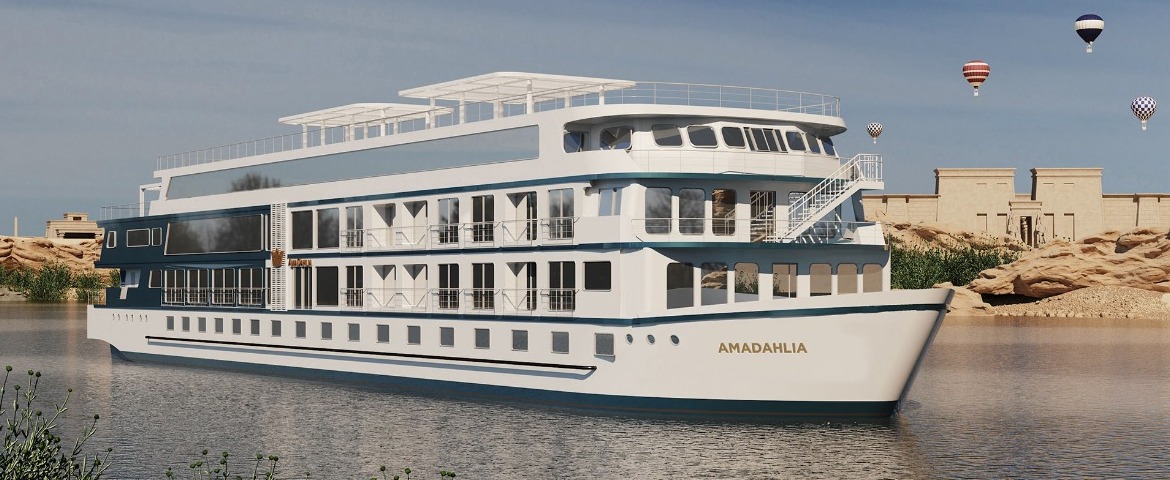

| 2 June | 12 days | Round-trip from Cairo, Egypt |
450-628-6241
Call us
|
| 9 June | 12 days | Round-trip from Cairo, Egypt |
450-628-6241
Call us
|
AmaLilia
86 Cruises
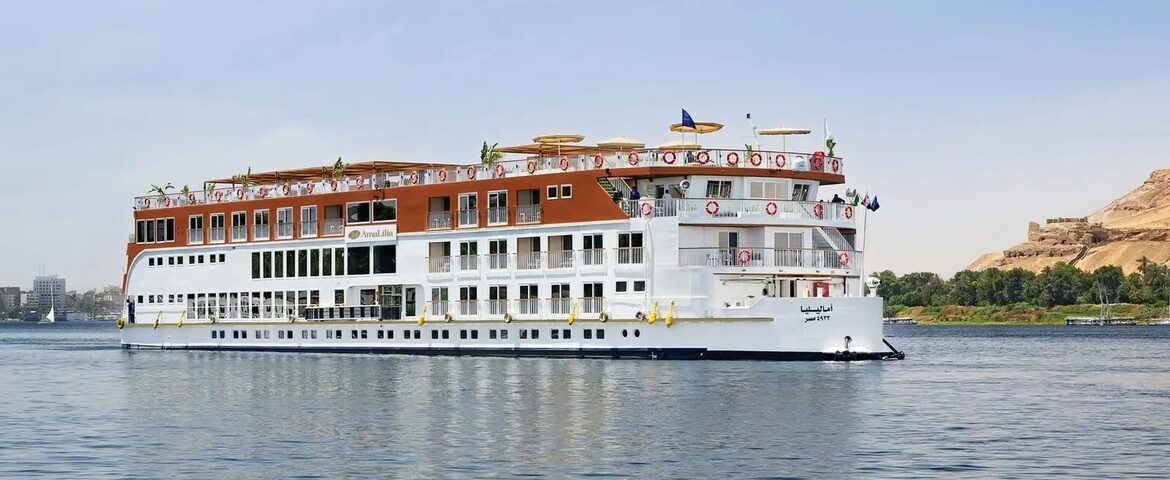
| 26 October | 11 days | Round-trip Secrets of Egypt the Nile |
450-628-6241
Call us
|
| 26 October | 12 days | Round-trip from Cairo, Egypt |
450-628-6241
Call us
|
| 5 April | 12 days | Round-trip from Cairo, Egypt |
450-628-6241
Call us
|
| 12 April | 12 days | Round-trip from Cairo, Egypt |
450-628-6241
Call us
|
| 19 April | 12 days | Round-trip from Cairo, Egypt |
450-628-6241
Call us
|
| 5 June | 12 days | Round-trip from Cairo, Egypt |
450-628-6241
Call us
|
| 12 June | 12 days | Round-trip from Cairo, Egypt |
450-628-6241
Call us
|
Uniworld Boutique River Cruise (250 Cruises)
River Tosca
125 Cruises


| 6 May | 12 days | Round-trip from Cairo, Egypt |
450-628-6241
Call us
|
| 13 May | 12 days | Round-trip from Cairo, Egypt |
450-628-6241
Call us
|
| 20 May | 12 days | Round-trip from Cairo, Egypt |
450-628-6241
Call us
|
S.S. Sphinx
125 Cruises

| 6 May | 12 days | Round-trip from Cairo, Egypt |
450-628-6241
Call us
|
| 13 May | 12 days | Round-trip from Cairo, Egypt |
450-628-6241
Call us
|
| 20 May | 12 days | Round-trip from Cairo, Egypt |
450-628-6241
Call us
|

Port of Kom Ombo, Egypt | Cruise Port Guide
Frequently Asked Questions
At the foot of the temple itself, between Edfu and Aswan. Only a few dozen metres separate the gangway from the first pylons: you can see the sandstone colonnade from the deck well before docking.
No. This is one of the rare Nile calls where you go from the ship's lounge to the archaeological site on foot, in a few minutes of climbing up to the esplanade.
It is double. The sanctuary honours two deities side by side, each with its own entrance, its own axis and its own holy of holies: Sobek, the crocodile god, to the south; Haroeris, the elder falcon-headed Horus, to the north. You cross from one cult to the other in a few steps.
One famous scene shows instruments that many Egyptologists read as surgical equipment: forceps, scalpels, probes, laid out like an inventory. Elsewhere, processions of offering-bearers, Ptolemaic cartouches and purification scenes, beneath floral capitals that still hold traces of blue and ochre.
Yes. A small air-conditioned museum a few steps from the exit holds about twenty of them, found in a nearby necropolis and laid out in the half-light. The cases also display eggs and miniature sarcophagi. The visit is short and striking.
An hour and a half is enough, commentary included. The site is compact, and having no road transfer saves all the time other calls lose on a coach.
Late in the day, where many itineraries place the stop. The sandstone turns honey-coloured, shadows stretch the columns and feluccas pass below on coppery water.
It is a graduated well used to measure the flood, and so to predict harvests and set taxes. Kom Ombo has one on its terrace: the sacred and the administrative already went hand in hand.
A few Egyptian pounds, yes. Traders set up between the gangway and the site entrance; their cheerful calls are as much folklore as commerce.
No. There is a short climb to the esplanade, then a level walk. It is the heat that weighs at midday: hat and water.


