Mariehamn Aland Finland

52 Cruises availables At departure or passage at this port

Viking Ocean Cruises (50 Cruises)

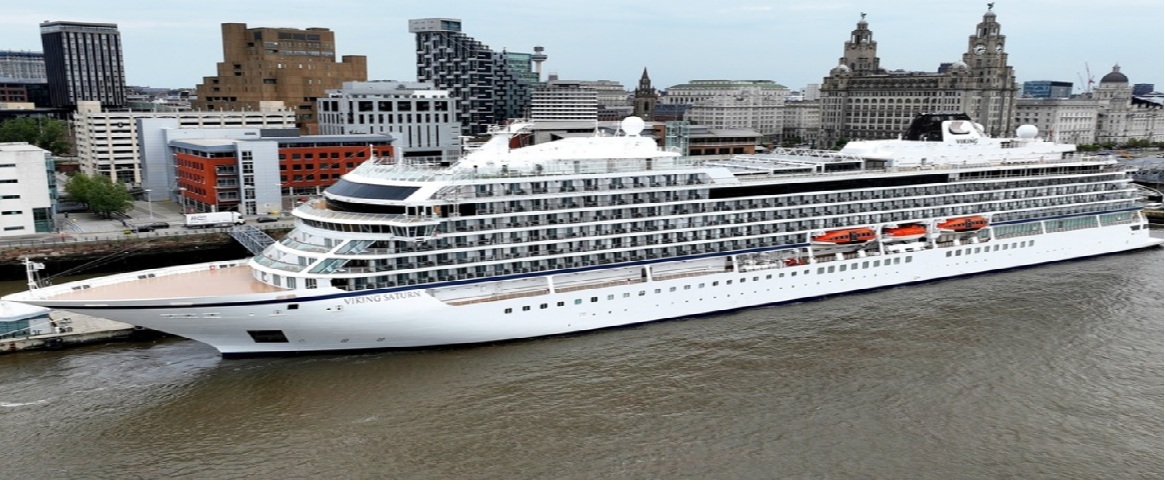
Viking Saturn.

Viking Saturn

Visit the ship's page

Port of Mariehamn, Åland | Cruise Port Guide

Between Sweden and Finland, an archipelago of 6,700 islands forms a bridge: the Åland Islands. Mariehamn, their capital, is a political as well as a maritime curiosity: an autonomous Finnish territory, Swedish-speaking, demilitarized by international treaty since the 19th century. Founded in 1861 under the Russian Empire and named in honour of Empress Maria Alexandrovna, the small town stretches across a peninsula between two harbours, the west for ships, the east for sailboats. You can cross it on foot in half an hour, beneath the linden trees.

The Pommern, a Cathedral of Canvas and Steel

Moored in the West Harbour, a short distance from the cruise berths, the Pommern is the town's pride: a four-masted barque launched in 1903, considered the only one in the world preserved in its original condition. This giant carried grain from Australia to Europe during the last great sailing grain races in the 1930s. You board freely and follow a route that leads from the forecastle to the immense holds; audio guides and staged scenes bring to life the crews, barely twenty hands to work kilometres of rigging. Allow a good hour on board to see everything without rushing. The adjoining Maritime Museum completes the picture with figureheads, models and the padded saloon of a famous wrecked sailing ship, the Herzogin Cecilie.

Why So Many Sailing Ships Here?

The answer comes down to one name: Gustaf Erikson. Until the mid-20th century, this Mariehamn shipowner was the last in the world to operate a commercial fleet of large sailing ships, bought cheaply when steam made them obsolete. His shadow hangs over the whole town: shipowners' villas along the Esplanade, streets named after captains, an undiminished love for all things maritime. Per capita, the people of Åland still rank among the great shipowners of the North, and the giant ferries that call here are a daily reminder.

From One Harbour to the Other, Beneath the Lindens

The classic walk follows the Esplanade, a wide tree-lined avenue that cuts across the peninsula from west to east. Along the way: St. George's Church and its red bell tower, handsome wooden houses with glassed-in verandas, and a few cafés where you can taste the local pastry, the semolina-based "Åland pancake" served with prune jam and whipped cream. At the end, the East Harbour is home to the Maritime Quarter, a working boatyard where carpenters and blacksmiths maintain traditional sailing vessels and age-old skills; you wander among workshops, slipways and upturned boats, amid the scent of pine tar.

A Little Farther Into the Archipelago

If the stop is longer, several outings let you sample the rest of Åland: flat roads ideal for cycling, islets of red granite where boathouses are reflected in a tideless sea and, half an hour's drive away, Kastelholm medieval castle, a former Swedish stronghold surrounded by meadows. Distances are short and the roads peaceful: you ride between fields and pine forests with hardly a car in sight. Farms in the area sell dark bread, cheese and apple juice; the archipelago cultivates a quiet self-sufficiency, right down to its pantry.

Practical Information

  • Everything can be done on foot: allow 25 to 30 minutes from one harbour to the other via the Esplanade.
  • The Pommern and the Maritime Museum are on the west side, near the cruise quays.
  • Currency: the euro, as everywhere in Finland; Swedish is the language of the street.

Mariehamn doesn't seek to make an impression. It offers quiet streets, masts rising above the rooftops and one of the finest lessons in maritime history in Europe, centred on a black-and-white sailing ship that seems ready to put to sea again. Walking back up the gangway, more than one passenger catches themselves dreaming of Australian grain and distant capes. That is the little spell of Åland.

Frequently Asked Questions

In the west harbour, the one used by ships; the east harbour takes the sailing boats. Mariehamn stretches along a peninsula between the two, and you can cross the town on foot in half an hour, under the lime trees.
A four-masted barque launched in 1903, moored in the west harbour a short distance from the berths. It is considered the only one in the world preserved in its original state. It carried wheat from Australia to Europe during the last great grain races under sail in the 1930s.
Yes, freely, on a route running from the forecastle to the vast holds. Audio guides and staged scenes recreate crew life: barely twenty men to handle kilometres of rigging. Allow a good hour on board.
The adjoining maritime museum, with figureheads, models and the padded saloon of the Herzogin Cecilie, a famous wrecked sailing ship.
Because of Gustaf Erikson. This Mariehamn shipowner was, until the mid-twentieth century, the last in the world to run a commercial fleet of tall ships, bought cheaply as steam made them obsolete. His shadow falls across the whole town.
An autonomous, Swedish-speaking Finnish territory, demilitarised by international treaty since the nineteenth century. Mariehamn, the capital, was founded in 1861 under the Russian Empire and named after the Empress Maria Alexandrovna.
St George's church with its red steeple, comfortable wooden houses with glazed verandas, and a few cafés. Allow 25 to 30 minutes from one harbour to the other along this wide tree-lined avenue.
A working yard at the end of the east harbour where shipwrights and blacksmiths maintain traditional boats and the skills that go with them. You wander among workshops, slipways and upturned hulls, in a smell of pine tar.
The Åland pancake made with semolina, served with plum jam and whipped cream, in the cafés along the Esplanade. Farms nearby also sell dark bread, cheese and apple juice.
Take a bicycle: the roads are flat, distances short and lanes quiet, between fields, pine woods and red granite islets where boathouses are mirrored in a tideless sea. Half an hour away, the medieval castle of Kastelholm, a former Swedish stronghold surrounded by meadows.