Port of Turku, Finland | Cruise Port Guide

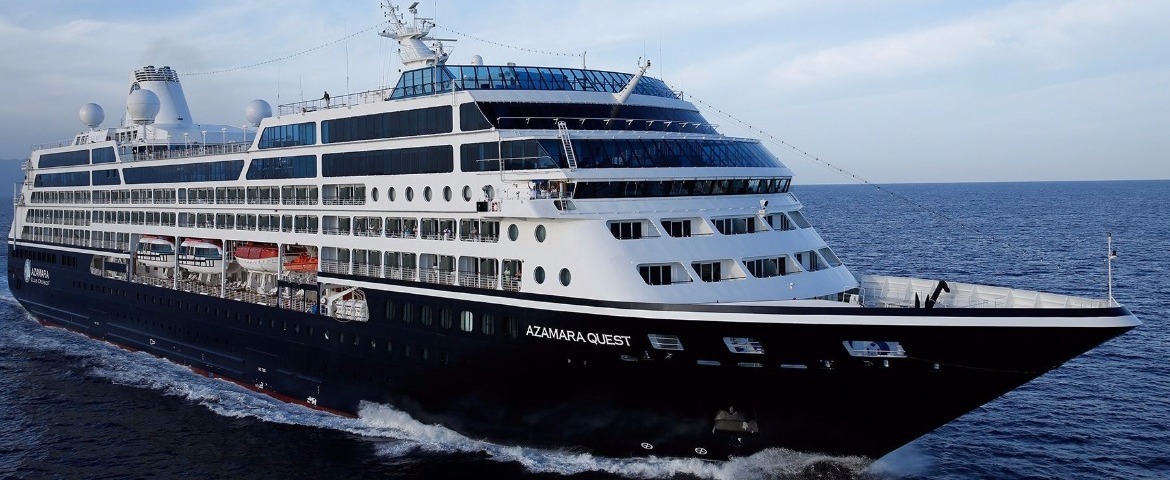
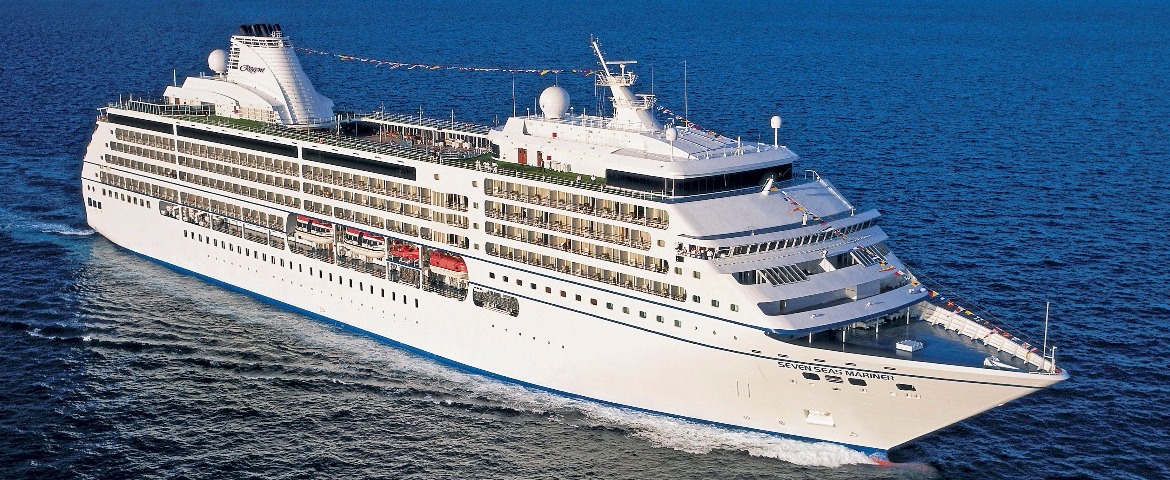
Everything in Turku revolves around a quiet river. The Aura runs through Finland's oldest city like a common thread: the castle stands guard at its mouth, the cathedral watches over it upstream, and in between come bridges, floating cafés and riverbanks where half the population seems to gather as soon as a ray of sunshine appears. Ships dock near the river mouth, about 3 km from the centre; a flat and pleasant riverside walk, or a few minutes by bus, is all it takes to reach the heart of things.

The castle, a stone sentinel

Steps from the terminals stands the logical first stop: Turku Castle, begun in the 1280s on what was then an island. Behind its granite walls several metres thick lie Renaissance halls, chapels and dungeons, fitted out over seven centuries of Swedish and then Russian history; the museum that occupies it tells of the banquets of Duke John and Catherine Jagiellon as well as of sieges and fires. Allow a good hour and a half to explore it without rushing.

Up the Aura

From there, follow the bank upstream. The path runs past Forum Marinum, a maritime museum with a three-masted training ship and warships moored at its quay; renovated sheds, old shoemakers' workshops and terraces then follow one another up to the bridges of the centre. This route of about 3 km along the water is one of the most pleasant urban introductions in the Baltic: benches facing the river, unflappable ducks, restaurant boats moored side by side. In summer, a small free ferry, the Föri, has been shuttling from one bank to the other for more than a century, to passengers' delight.

The cathedral and national memory

Upstream from the bridges, the Lutheran cathedral raises its brick tower above the trees. Consecrated around 1300 and reworked after the great fire of 1827 that destroyed almost the entire city, it remains the country's national shrine: it holds the tombs of queens and military heroes, and its noon chimes are broadcast every day on Finnish radio. Facing it lies the university quarter, a reminder that the country's first university was born here, before the capital moved to Helsinki in 1812.

Luostarinmäki, the surviving village

On a nearby hill, an entire district of 18th-century workshops and wooden houses escaped the flames of 1827. Now an open-air handicraft museum, Luostarinmäki brings watchmakers, bookbinders and weavers back to life in their original interiors, linked by courtyards and grassy lanes. The place, peaceful and surprisingly lively, offers the perfect counterpoint to the elegant squares of the centre.

Practical pointers

SiteFrom the docksAccess
Turku CastleLess than 1 kmOn foot
Forum MarinumAbout 1 kmRiverside walk
Centre and market squareAbout 3 kmOn foot or by bus
Cathedral and Luostarinmäki3.5 to 4 kmBus recommended for the return

Flavours of the market square

Before heading back to the ship, stop at the market hall on Eerikinkatu, in operation since 1896: smoked salmon, rye breads, Karelian pasties and cardamom buns are sold over the counter amid period woodwork. In summer, the neighbouring market square overflows with strawberries and fresh peas that locals nibble straight from the paper cone.

The river naturally leads you back toward its mouth, to the rhythm of the evening rowers. Turku was a capital, burned, rose again, gave up its rank; it has kept what matters most, a discreet riverside elegance that makes you want to extend the call all the way to the archipelago waiting offshore.

Frequently Asked Questions

Near the mouth of the Aura, about 3 kilometres from the centre. A flat and pleasant riverside walk, or a few minutes by bus, brings you into the heart of the city.
The logical first stop of the call, a short walk from the terminals: a castle begun in the 1280s on what was then an island. Behind granite walls several metres thick lie Renaissance halls, chapels and dungeons. Allow a good hour and a half.
Seven centuries of Swedish and then Russian history: the banquets of Duke John and Catherine Jagiellon as much as the sieges and the fires.
Turku's maritime museum, about a kilometre from the quays along the riverside walk. It has a three-masted training ship and warships moored alongside.
Yes, it is one of the most agreeable urban introductions on the Baltic: about 3 kilometres at the water's edge, past converted warehouses, old ropewalks, terraces, benches turned to the river and restaurant boats moored side by side.
A small free ferry that has shuttled from one bank of the Aura to the other for more than a century, in summer. The crossing takes seconds and nobody wants to miss it.
It is Finland's national shrine. Consecrated around 1300 and rebuilt after the great fire of 1827 that destroyed almost the entire city, it holds the tombs of queens and military heroes, and its noon chimes are broadcast daily on Finnish radio.
An entire quarter of eighteenth-century wooden workshops and houses that escaped the flames of 1827, on a hill near the cathedral. Now an open-air handicrafts museum, it brings watchmakers, bookbinders and weavers back to life in their original interiors.
For the way back, yes, if you have gone up to the cathedral and Luostarinmäki: they are 3.5 to 4 kilometres from the quays. The castle and Forum Marinum are walkable straight from the ship.
At the market hall on Eerikinkatu, in business since 1896: smoked salmon, rye breads, Karelian pasties and cardamom buns, bought at the counter among period woodwork. In summer the neighbouring market square overflows with strawberries and fresh peas.