Auvers-sur-Oise France
39
Cruises availables
At departure or passage at this port
CroisiEurope (9 Cruises)
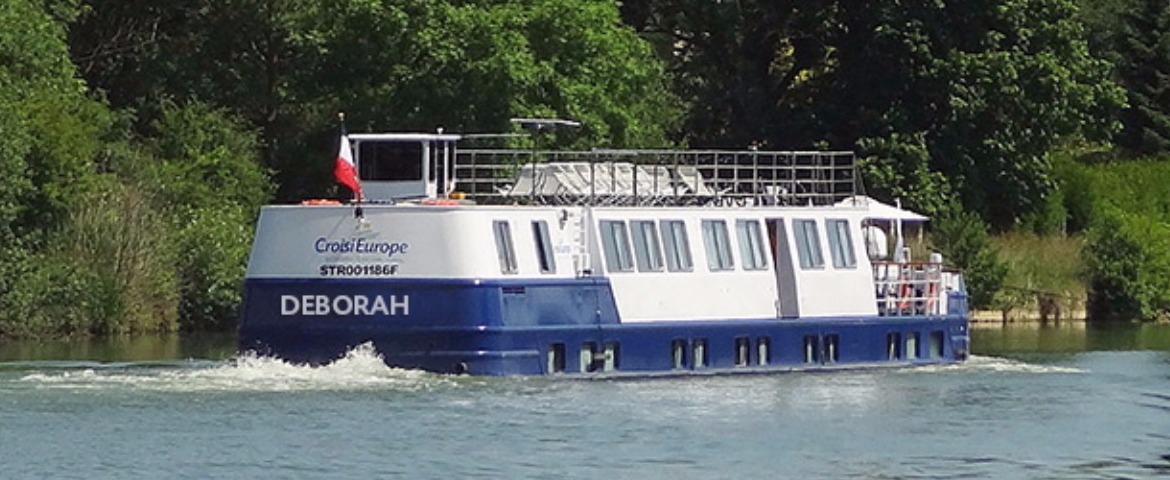
MS Déborah
9 Cruises

| 28 April | 6 days | One-way from Paris City to Pont-lEveque-Oise |
450-628-6241
Call us
|
| 28 April | 7 days | One-way from Paris City to Pont-l'Eveque-Oise |
450-628-6241
Call us
|
| 21 July | 6 days | One-way from Paris City to Pont-lEveque-Oise |
450-628-6241
Call us
|
| 21 July | 7 days | One-way from Paris City to Pont-l'Eveque-Oise |
450-628-6241
Call us
|
Tauck Cruises (30 Cruises)
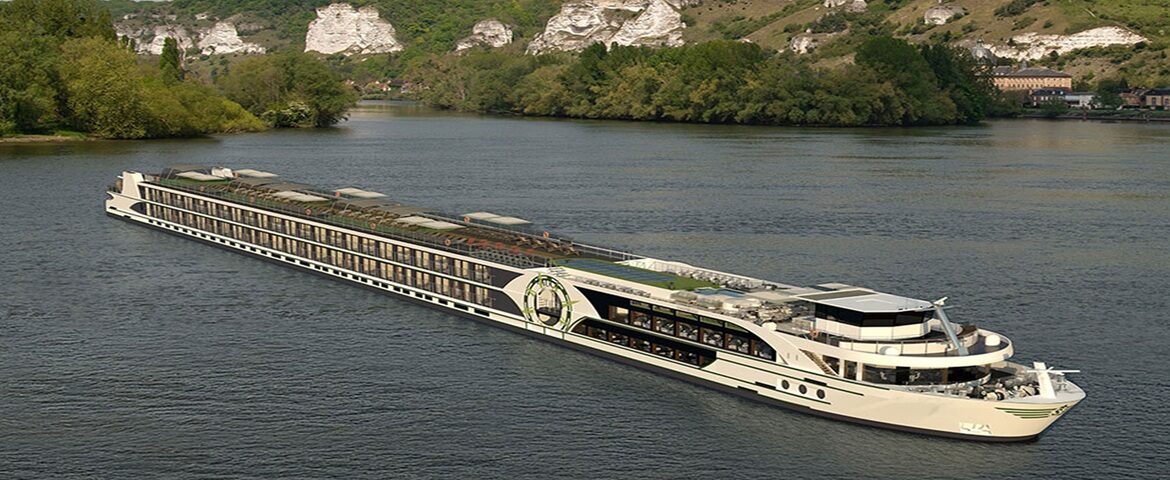
MS Reverie
20 Cruises

| 8 May | 11 days | One-way from London-Greenwich to Paris City |
450-628-6241
Call us
|
| 8 May | 12 days | One-way from London-Greenwich to Paris City |
450-628-6241
Call us
|
| 14 August | 12 days | One-way from London-Greenwich to Paris City |
450-628-6241
Call us
|
| 14 August | 11 days | One-way from London-Greenwich to Paris City |
450-628-6241
Call us
|
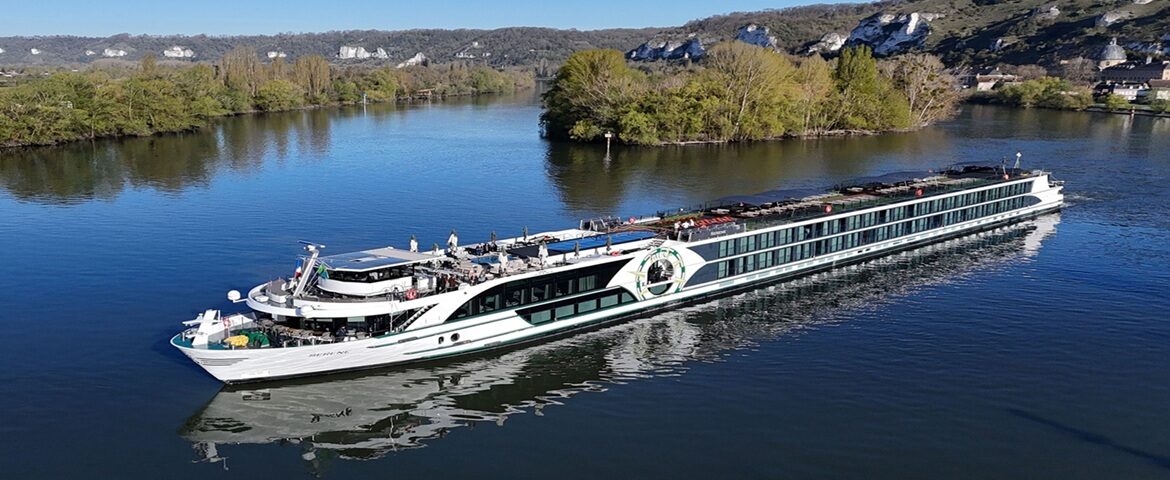
MS Serene
10 Cruises
| 27 May | 12 days | One-way from London-Greenwich to Paris City |
450-628-6241
Call us
|
| 27 May | 11 days | One-way from London-Greenwich to Paris City |
450-628-6241
Call us
|
Port of Auvers-sur-Oise, France | Cruise Port Guide
Frequently Asked Questions
At a pontoon on the Oise, in the village itself. Everything else is on foot: Auvers-sur-Oise lies about 30 kilometres northwest of Paris, in the Oise valley.
Because Vincent van Gogh spent the last seventy days of his life here and painted more than seventy canvases, almost one a day. He arrived on 20 May 1890 and died on 29 July.
Yes, at the Auberge Ravoux in the village centre. The attic room measures seven square metres, lit by a skylight, and is shown deliberately bare: no furniture, no reconstruction, only the walls.
Yes. The church of Notre-Dame-de-l'Assomption looks exactly as he framed it in June 1890, right down to the fork in the paths in the foreground. It is a fifteen-minute walk from the pontoon on a gentle slope.
In the village cemetery, at the end of the path that continues through the wheat fields past the church. Two matching stones stand against the wall under the same ivy: Vincent and his brother Theo, who died six months apart.
No. The canvases painted here are scattered among the great museums, starting with the Musée d'Orsay. What you come to Auvers for is the subject matter itself: a marked trail lets you compare each site with the corresponding painting.
Far from it. Charles-François Daubigny settled here in the 1860s and fitted out a studio boat to paint from the water. Corot and Daumier decorated the walls of his studio-house with their own hands, and it survives in its original state; Cézanne stayed here and Pissarro lived next door.
The seventeenth-century Château d'Auvers and its immersive walk-through on Impressionism. The Absinthe Museum, which recreates the atmosphere of the artists' cafes. The house of Doctor Gachet, the painter's friend and sitter, with its garden of medicinal herbs.
Yes, it is worth doing. The Daubigny studio-house closes on certain days and the small village museums keep seasonal hours. Confirm before building your day around one particular visit.
The euro and French. The village is small: a few shops and willow-lined banks of the Oise where canoeists and herons share the river. Carry a little cash for the smallest addresses.


