Lorient France
4
Cruises availables
At departure or passage at this port
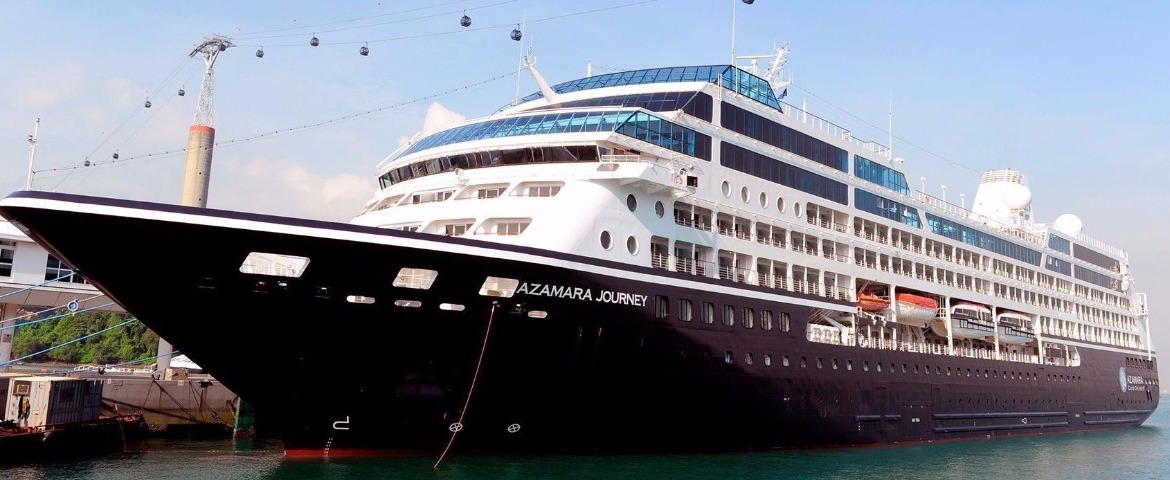
Azamara Club Cruises (2 Cruises)

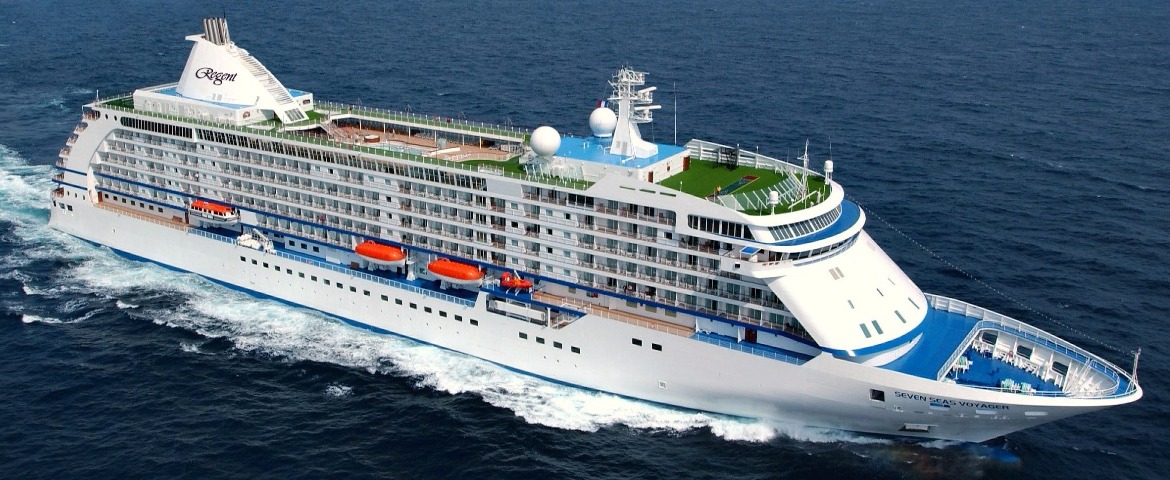
Regent Seven Seas Cruises (2 Cruises)

Lorient France | Brittany Maritime Cruise Port Guide
Frequently Asked Questions
In the roadstead, the sheltered stretch of water shared by six ports, from the fishing mole to the marina pontoons. The main sights are spread around this roadstead rather than in a single town centre.
Pick one hub: either Keroman point with the submarine base and the Cité de la Voile, or the crossing to Port-Louis and its museum. Trying both on a short call means spending the day in transit.
From the ship L'Orient, flagship of the French East India Company, which gave birth to the town in the 17th century. Spices, cottons and Chinese porcelain passed through this roadstead on their way to Versailles.
Three massive concrete blocks built by the German army between 1941 and 1944, among the most imposing Second World War remains in Europe. They can be walked around freely today.
Yes, the submarine Flore, with its museum space. The visit immerses you in crew life: narrow bunks, metal passageways, the silence of the deep. Children come out with more questions than answers.
It is the only museum in Europe devoted entirely to sailing and offshore racing, opened in 2008. Helm simulators, full-size hulls and accounts of the great ocean races hold the attention even of those who have never trimmed a sheet.
It is France's second, after Boulogne-sur-Mer. Guided tours of the Keroman fish market let you watch the trawlers come and go, the early-morning auctions and the fish merchants at work.
A ten-day gathering in early August that turns Lorient into the world capital of Celtic cultures: Breton bagadoù, Scottish pipe bands, Galician dancers, Irish musicians and a great parade of nations.
Know what to expect: the city was rebuilt after the 1943 bombing and lines up pale 1950s façades around Notre-Dame-de-Victoire church. You can stroll it away from the crowds, but Lorient does not reveal itself at first glance.
Yes, Larmor-Plage to the south, which guards the seaward entrance to the town. It is reachable by bus for a seaside interlude.


