Menton France

15 Cruises availables At departure or passage at this port
Menton France | French Riviera Mediterranean Cruise Guide

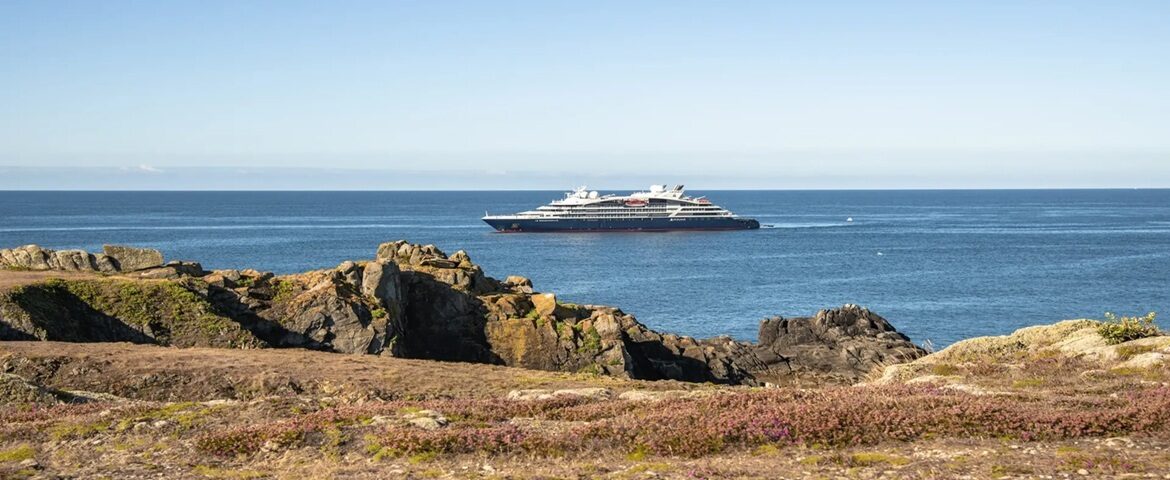
One degree warmer than elsewhere: Menton's microclimate is no brochure legend, it can be read in the lemon trees bearing fruit right in town and in the acclimatization gardens planted by English winter residents in the 19th century. The last French port of call before Italy, the town tiers its ochre and yellow façades above two bays, and the ships that stop here anchor facing one of the most beautiful waterfronts on the Riviera.

Approaching the Old Town

Large ships tender their passengers ashore; smaller ones find room in the old port, right at the foot of the historic town. Either way, the arrival is a painting: the old town rises in a pyramid from the quays, bell tower at its peak, in a gradient of ochres brightened by the sun. On the jetty, the small 17th-century bastion, transformed into a showcase by Jean Cocteau, who decorated its rooms, sets the tone for a port of call enamoured of artists; the town hall also preserves a wedding hall entirely designed by the poet.

The Climb to Saint-Michel

You climb ramps and stairs up to the forecourt of the Basilica of Saint-Michel-Archange, a Baroque masterpiece built in the 17th century: its pale façade and Genoese bell tower, together with the forecourt's black and white pebbles depicting the princes' coat of arms, form one of the most photographed ensembles on the coast. The view plunges down to Les Sablettes beach and the sea; higher still, the Vieux-Château cemetery holds the graves of Russian and English winter residents, with one of the finest viewpoints on the coast; the lanes then cascade back down toward the Promenade du Soleil and the covered market, an 1898 hall where socca, barbajuans and lemons are piled beneath the vaults.

The Winter Residents' Gardens

The local mildness has made Menton an open-air plant conservatory. The Val Rahmeh garden, managed by the National Museum of Natural History, acclimatizes avocado trees, spices and tropical plants on its terraces; the Serre de la Madone, created between the wars by gardener Lawrence Johnston, displays pools and rare species in a small valley. Plant lovers will choose according to the time available: each garden requires a good hour and takes a bit of effort to reach, on the hillside.

The Citrus in Majesty

The emblematic fruit appears in every form: limoncello, jams, flavoured olive oil, not to mention Menton lemon tart, which local pastry chefs defend like a title of nobility, each with their own twist. Every February, the Lemon Festival, first held in 1934, parades its citrus floats along the sea; out of season, the terraced orchards and market shops carry on the heritage. With a lemon ice cream in hand, the seaside promenade leads all the way to the Italian border, a few minutes' walk away.

The Port of Call in Brief

  • Anchorage in the bay with tender transfer, or docking in the old port for smaller ships.
  • Old town and Saint-Michel Basilica accessible on foot via the ramps.
  • Val Rahmeh and Serre de la Madone gardens on the hillside, allow an hour for each.
  • Covered market and lemon specialties steps from the quays.

The Last Degree of Mildness

As the tender returns to the ship, the ochre pyramid is reflected in the bay and Italy begins just behind the cape. Menton leaves a memory to match: neither spectacular nor showy, but gentle, fragrant and luminous, like a zest whose scent lingers. The 19th-century winter residents weren't wrong; nor are today's passengers.

Frequently Asked Questions

It depends on the ship's size. Larger vessels land passengers by tender; smaller ones berth in the old harbour, right at the foot of the historic town.
Its microclimate is no brochure legend: you read it in the lemon trees fruiting in the middle of town and in the acclimatisation gardens planted by English winter residents in the 19th century. Menton is the last French call before Italy.
The climb to Saint-Michel basilica by the ramps, the covered market, then the seafront promenade. Add one acclimatisation garden, not two: each needs a good hour and sits up the hillside.
It is a Baroque masterpiece raised in the 17th century. Its pale façade and Genoese bell tower, together with the forecourt of black and white pebbles laid out as the princes' arms, form one of the most photographed compositions on the coast.
The small 17th-century bastion on the jetty was turned into a showcase by the poet, who decorated its rooms. The town hall also keeps a wedding room entirely staged by him.
The Val Rahmeh garden, run by the National Museum of Natural History, which acclimatises avocado trees, spices and tropical plants across its terraces; and the Serre de la Madone, created between the wars by the gardener Lawrence Johnston, with its pools and rare species.
Yes, the Vieux-Château cemetery above the basilica, which holds the graves of Russian and English winter residents and offers one of the finest views on the coast. The forecourt also looks straight down onto Sablettes beach.
Socca, barbajuans and lemons piled under the vaults of an 1898 hall, steps from the quays. It is the place to taste local cooking without ceremony.
It is a parade of citrus floats along the seafront every February, begun in 1934. Out of season, the terraced orchards and market shops keep the tradition alive: limoncello, jams, scented olive oil and lemon tart.
Yes. The seafront promenade reaches the Italian border in a few minutes on foot. It is one of the rare calls where you change country without transport.