Poissy France, Chateau de Versailles
78
Cruises availables
At departure or passage at this port
CroisiEurope (65 Cruises)


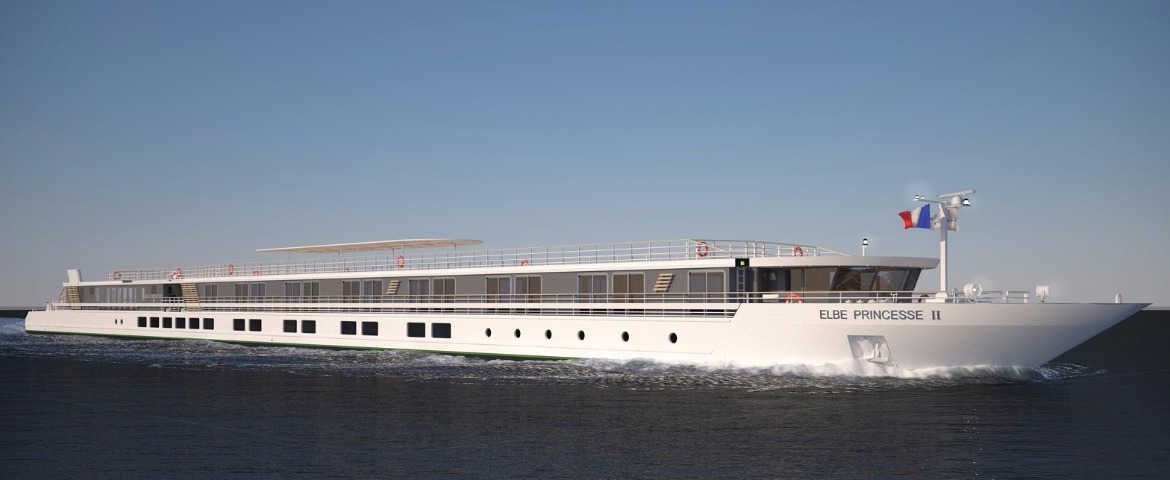
MS Elbe Princesse II
18 Cruises
| 7 April | 8 days | Round-trip from Paris City, France |
450-628-6241
Call us
|
| 19 April | 8 days | Round-trip from Paris City, France |
450-628-6241
Call us
|
| 6 May | 8 days | Round-trip from Paris City, France |
450-628-6241
Call us
|
| 30 May | 8 days | Round-trip from Paris City, France |
450-628-6241
Call us
|
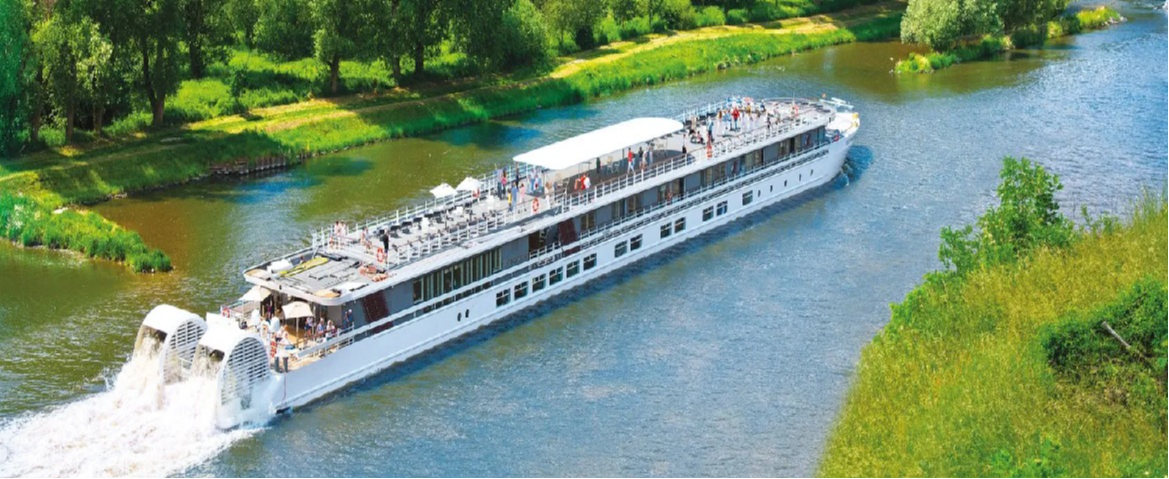
Ms R.E Waydelich L.J
18 Cruises
| 7 April | 8 days | Round-trip from Paris City, France |
450-628-6241
Call us
|
| 19 April | 8 days | Round-trip from Paris City, France |
450-628-6241
Call us
|
| 6 May | 8 days | Round-trip from Paris City, France |
450-628-6241
Call us
|
| 30 May | 8 days | Round-trip from Paris City, France |
450-628-6241
Call us
|
MS Renoir
10 Cruises

MS Seine Princess
14 Cruises

| 19 March | 4 days | Round-trip The Must-see Sights of the Seine Valley |
450-628-6241
Call us
|
| 23 March | 5 days | Round-trip from Paris City, France |
450-628-6241
Call us
|
Tauck Cruises (13 Cruises)
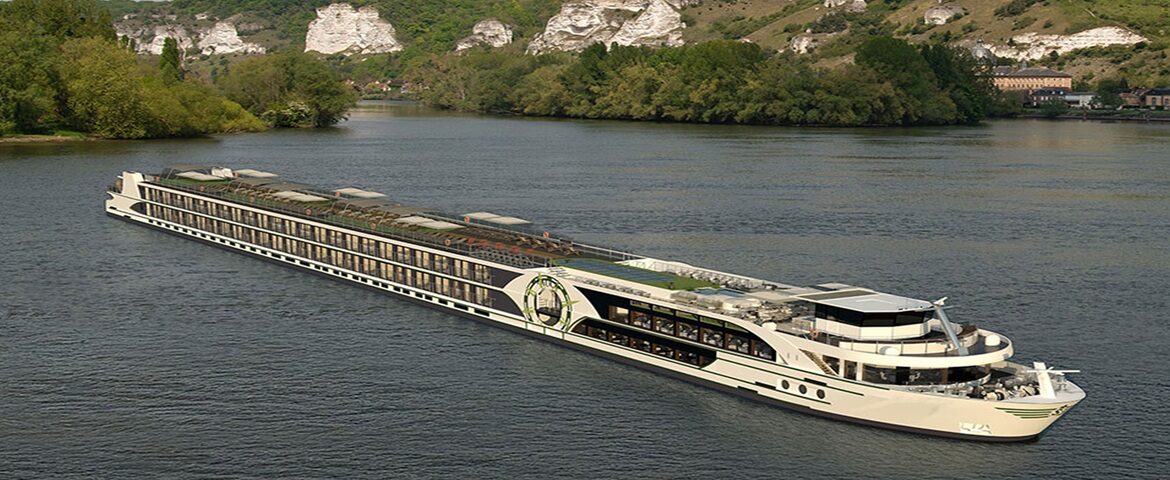

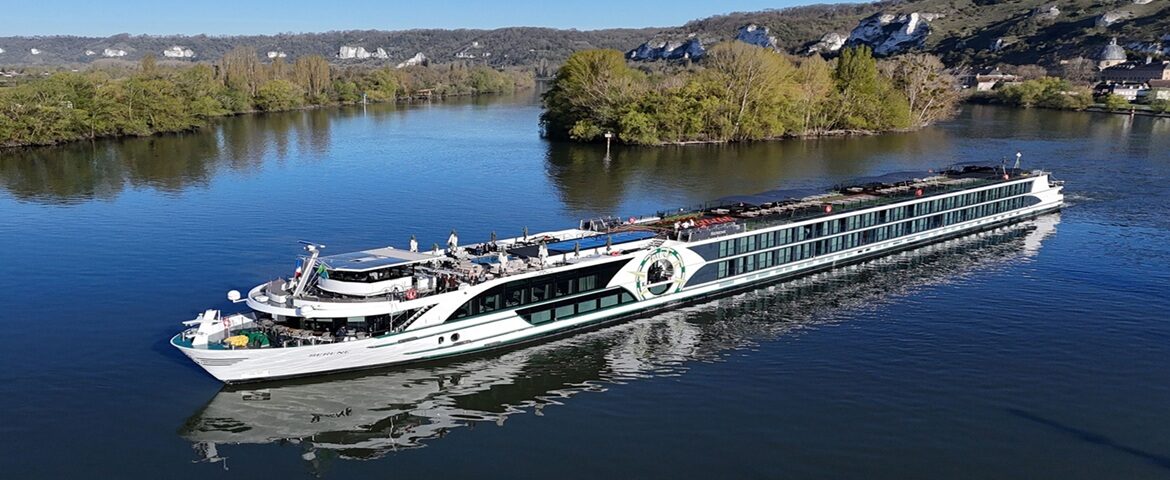
MS Serene
10 Cruises

Poissy France | Historic Town Near Paris & Seine Guide
Frequently Asked Questions
At the river quay in Poissy, on the bank of the Seine, a few minutes' walk from the old town. Poissy sits in a bend of the river about 25 kilometres west of Paris. Only small river vessels call here.
Yes, for the most part. The Notre-Dame collegiate church, the shopping streets and the riverbanks are all within a few minutes' walk. Only the Villa Savoye, up on the heights, requires a taxi or the excursion coach.
Choose one of two days rather than trying to add them together. Either Versailles as an excursion, which easily fills half a day on its own, or Poissy itself: the collegiate church, the Villa Savoye and a walk along the Seine. Attempting both means spending the day on a coach.
By excursion coach, a short ride from the quay. This is the outing most river itineraries offer, and the reason Poissy is on their schedule. Wear good shoes: the estate covers kilometres, from the Hall of Mirrors and the State Apartments to Le Nôtre's gardens.
It is the house Le Corbusier built between 1928 and 1931, added to the UNESCO World Heritage list in 2016. Pilotis, open plan, ribbon windows, roof terrace: it sums up the principles of modern architecture in a single building. The visit takes about an hour. Design lovers treat it as a pilgrimage; others find it a surprising curiosity.
Yes, the toy museum, housed in the fortified gatehouse of the former royal priory. Antique dolls, clockwork trains and collectible bears fill the rooms. It is the stop that earns forgiveness for the church visit.
The euro. Credit cards are accepted everywhere, including for small purchases. Still, keep a few coins for the market in the old town, where some producers prefer cash.
French. At the Versailles sites English is common and multilingual tours are available; in Poissy itself daily life runs entirely in French.
May through September, when the Versailles gardens are at their best and the Seine banks invite a walk. Early morning excursions to Versailles have a clear advantage over the crowds. In winter river sailings thin out and the gardens lose much of their appeal.
Head down to the riverbank. The old bridge, the wooded islands and the Parc Meissonier, minutes from the centre, offer an effortless stroll as the barges pass. This is the Seine the Impressionists painted, and it feels nothing like Paris.


