Port-Saint-Louis-du-Rhone France
59
Cruises availables
At departure or passage at this port
Avalon Waterways (12 Cruises)
Avalon Poetry II®
9 Cruises
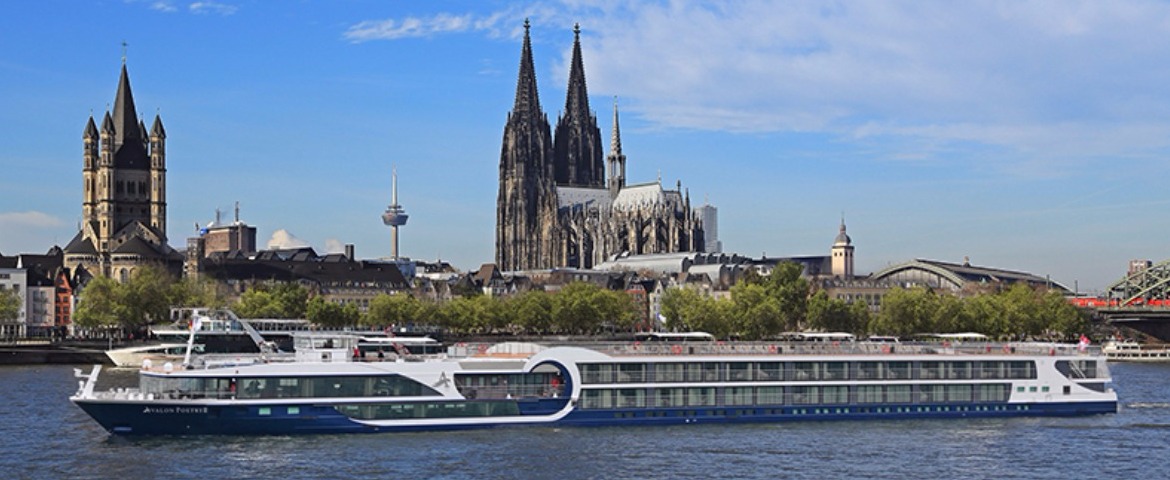

| 4 May | 15 days | One-way from Arles to Paris City |
450-628-6241
Call us
|
| 4 May | 7 days | One-way from Arles to Lyon |
450-628-6241
Call us
|
| 4 May | 14 days | One-way from Arles to Paris City |
450-628-6241
Call us
|

CroisiEurope (37 Cruises)
MS Camargue
16 Cruises


| 1 April | 5 nights | Round-trip from Lyon, France |
450-628-6241
Call us
|
| 6 April | 5 nights | Round-trip from Lyon, France |
450-628-6241
Call us
|
| 1 May | 5 nights | Round-trip from Lyon, France |
450-628-6241
Call us
|
| 19 May | 5 nights | Round-trip from Lyon, France |
450-628-6241
Call us
|
| 23 July | 5 nights | Round-trip from Lyon, France |
450-628-6241
Call us
|
| 23 July | 5 nights | Round-trip from Lyon, France |
450-628-6241
Call us
|
| 16 August | 5 nights | Round-trip from Lyon, France |
450-628-6241
Call us
|
| 16 August | 5 nights | Round-trip from Lyon, France |
450-628-6241
Call us
|

MS Princesse d'Aquitaine
11 Cruises

| 2 July | 5 nights | Round-trip from Lyon, France |
450-628-6241
Call us
|
| 20 July | 5 nights | Round-trip from Lyon, France |
450-628-6241
Call us
|
| 20 July | 5 nights | Round-trip from Lyon, France |
450-628-6241
Call us
|

Riviera Travel (10 Cruises)
MS Lord Byron
10 Cruises
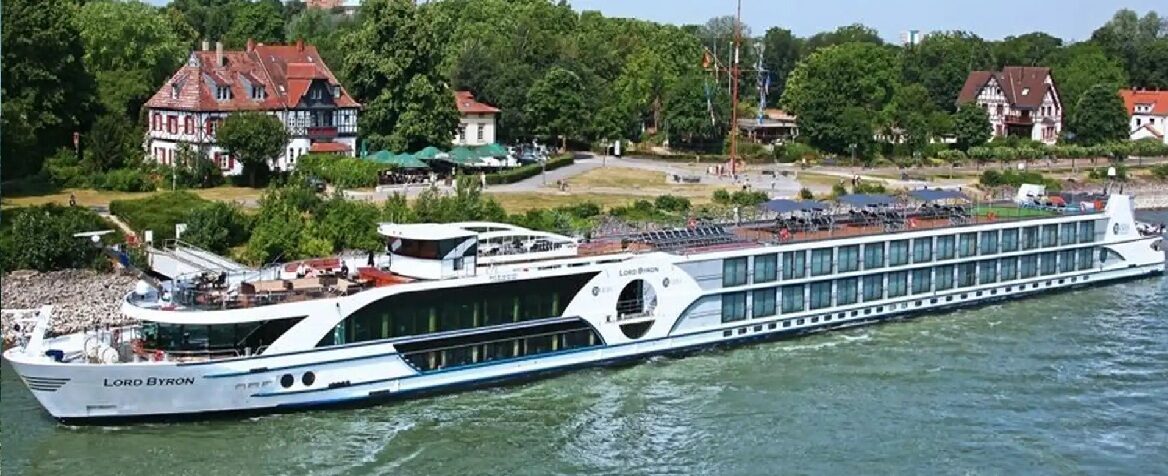

| 29 April | 10 nights | Round-trip from Lyon, France |
450-628-6241
Call us
|
| 29 April | 10 days | Round-trip Lyon, Provenal Rhne the Camargue River Cruise - MS Lord Byron |
450-628-6241
Call us
|
| 23 May | 10 days | Round-trip Lyon, Provenal Rhne the Camargue River Cruise - MS Lord Byron |
450-628-6241
Call us
|
| 23 May | 10 nights | Round-trip from Lyon, France |
450-628-6241
Call us
|
| 30 June | 10 nights | Round-trip from Lyon, France |
450-628-6241
Call us
|
| 30 June | 10 days | Round-trip Lyon, Provenal Rhne the Camargue River Cruise - MS Lord Byron |
450-628-6241
Call us
|

Port-Saint-Louis-du-Rhône France | Camargue & Mediterranean Guide
Frequently Asked Questions
Along the channel at the mouth of the Rhône, where the river dissolves into the Mediterranean among reed beds, salt pans and lagoons. The ship ties up at one of the gateways to wild Camargue.
The Saint-Louis tower, square and massive, stands at the edge of the channel. It holds the largest ornithological collection in the Camargue, 165 mounted birds arranged by habitat. From the top the view takes in the port, the Rhône and the vast flat line of the delta. The tourist office sits at its base.
The Camargue, by excursion. Four-wheel-drive, a bike ride on the dykes or a guided walk are the only realistic ways to approach the flamingos, herons, black bulls and Camargue horses in their maze of fresh and salt water. Start at the Saint-Louis tower to learn what you will be looking at.
Yes, and it is one of the reasons to come. In spring and autumn migration turns the delta into a crossroads of wings. There is no minute-by-minute guarantee: these are wild birds, not a scheduled show.
Yes, among the largest and wildest on the French Mediterranean coast. Plage Napoléon, the best known, runs for several kilometres to the mouth of the Grand Rhône. No concrete seafront and no services: only space, shells and driftwood left by the river.
Yes, under an hour by road upriver. A Roman amphitheatre still in use, the ancient theatre, the cloisters of Saint-Trophime and the landscapes that fired Van Gogh. The excursion pairs well with a crossing of the marshes.
Delta cooking, without pretence: gardianne bull stew with locally grown rice, tellines in garlic, lagoon fish, fleur de sel harvested a few kilometres away. A glass of rosé des sables facing the channel closes the day properly.
The euro. Cards work at the port and in restaurants, but carry cash if you head into the delta: gardian huts and small salt producers are not all equipped.
Spring and autumn, for the bird migrations and to avoid the crushing heat of July and August. In summer, on the other hand, the evaporation pans at Salin-de-Giraud turn a spectacular pink. The mistral can blow hard in any season, so bring a windbreaker.
No, and it is better to know before going ashore. This is a call without spectacular monuments. What you take away is a perfectly flat horizon, immense skies and the improbable pink of flamingos in flight. The Camargue is not really visited, it is experienced.


