Gambier Islands French Polynesia, Rikitea-Mangareva
French Polynesia

19 Cruises availables At departure or passage at this port
No one expects to find a cathedral at the end of the Pacific. Yet it stands there: Saint-Michel de Rikitea, built of coral stone starting in 1839 and completed in 1848, its white towers rising above the mango groves of Mangareva, the main island of the Gambier archipelago, over 1,600 kilometres southeast of Tahiti. Inside, the altar is adorned with mother-of-pearl and lagoon pearls: nowhere else in French Polynesia have missionary history and the sea mingled to this extent.

A Shared Lagoon

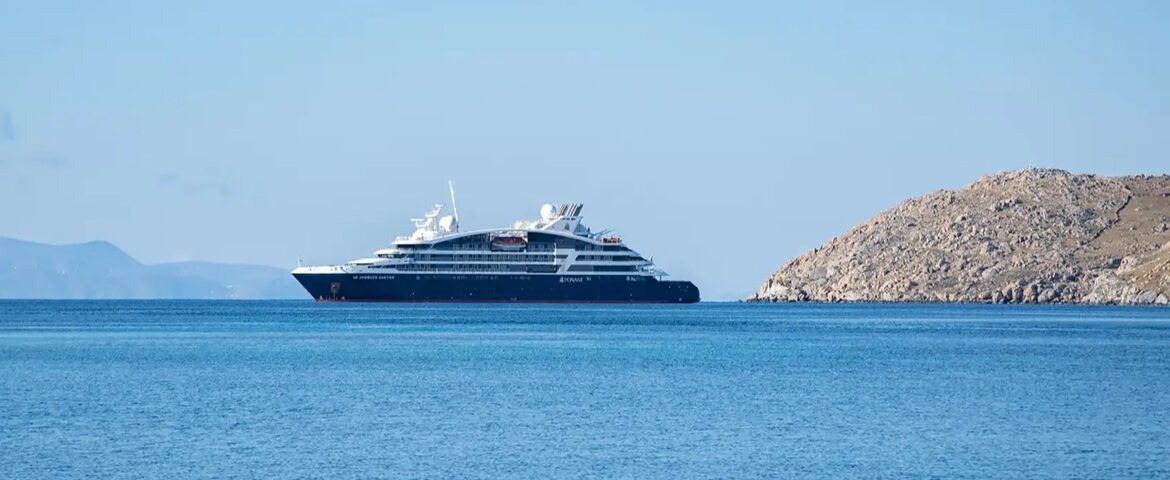
The archipelago forms a rare geographic case: four high islands and a handful of islets united within a single reef crown, like a miniature archipelago enclosed in its own aquarium. Ships anchor in the lagoon and land their passengers by tender at Rikitea's quay, the main village backed by Mount Duff. Once the pass is crossed, the waters calm instantly: it is in this tranquillity that some of the Pacific's most renowned pearls ripen.

The Pearl Capital

Pearl farming sustains the islands, which are regarded by connoisseurs as the cradle of French Polynesia's finest pearls, with overtones tilting toward green, aubergine or deep blue. Pearl farms dot the interior waters on their wooden pontoons; some open their doors to visiting passengers, complete with oyster grafting demonstrations. Buying a pearl here at the source is one of the pleasures of the port call, but watching the grafters at work is nearly as rewarding.

The Missionaries' Stone Heritage

In the nineteenth century, the fathers of the Congregation of the Sacred Heart made these islands a laboratory of Polynesian Catholicism. Around the carefully restored cathedral, some 100 structures from this era are preserved: convents, watchtowers, bread ovens, weaving workshops and chapels scattered across the surrounding islets. You walk among these white coral remains between coconut palms, sensing a history both grand and heavy, one that profoundly transformed Mangarevian society; local guides speak of it frankly, and it is worth listening to them.

Walking, Swimming, Connecting

  • The climb toward the slopes of Mount Duff, the summit watching over Rikitea, rewards early walkers with a sweeping view of the lagoon and its turquoise gradations.
  • The beaches and coral gardens of the reef islets invite snorkelling in water of remarkable clarity.
  • In the village, the weaving craft and finely woven hats, plaited from pandanus fibres, are a source of pride for families; church hymns, renowned throughout Polynesia, are heard on Sundays.

Gambier Time

About 1,500 people live in the Gambier Islands, to the rhythm of supply schooners and flights using the airstrip laid on the Totegegie reef, from which a boat shuttle crosses the calm waters to reach the village. Electricity grows discreet as evening falls, days begin with the sun, and the visitor quickly grasps that their passenger schedule is here just one convention among others. This slowness is not a lack: it is the local way of dwelling in a place geography has set far from everything else.

Crossing the Pass Again

As the ship crosses the reef once more, the silhouette of the white towers lingers long among the palm fronds. You leave Rikitea with an image both improbable and complete: a village at the world's end, a coral cathedral, pearls the colour of night. The Gambier Islands appear on almost no destination lists, and their inhabitants do not complain; it is precisely what gives this detour its value.

Frequently Asked Questions

More than sixteen hundred kilometres southeast of Tahiti, at the far southeastern edge of French Polynesia. The archipelago is a rare geographic case: four high islands and a handful of islets gathered inside a single reef ring, like a miniature archipelago in its own aquarium.
Ships anchor inside the lagoon and land passengers by tender at the quay of Rikitea, the main village, set at the foot of Mount Duff on Mangareva island. Once through the pass, the water calms all at once.
Because 19th-century fathers of the Picpus congregation made these islands the laboratory of Polynesian Catholicism. Saint-Michel de Rikitea, built of coral stone from 1839 and finished in 1848, raises its white towers above the mango trees. Inside, the altar is inlaid with mother-of-pearl and lagoon pearls.
About a hundred 19th-century structures: convents, watchtowers, bread ovens, weaving workshops and chapels scattered as far as the outer islets. You walk among these bleached coral remains between the palms. It is a history both grand and heavy, one that upended Mangarevan society: local guides speak of it frankly, and they are worth listening to.
Connoisseurs consider the archipelago the cradle of the finest pearls in French Polynesia, with tones tending toward green, aubergine or deep blue. Pearl farms dot the inner waters on their wooden pontoons, and some open to visitors, oyster grafting included.
The cathedral and missionary remains at Rikitea, a pearl farm, and depending on time either the climb up the slopes of Mount Duff or snorkelling over the coral gardens of the islets. All three will not fit into a short call.
It rewards early walkers with a full circle view over the lagoon and its gradations of turquoise. Set off early: the sun bites quickly and there is no continuous shade on the slopes. This is not a gentle stroll.
Weaving. Finely worked pandanus-fibre hats are a source of pride for village families. The church singing, renowned throughout Polynesia, can be heard on Sundays: it costs nothing and is often what stays with you longest.
About fifteen hundred, living to the rhythm of supply schooners and flights to the airstrip laid on the Totegegie reef, from which a boat shuttle reaches the village. Electricity is sparing after dark and days begin with the sun.
The CFP franc. Bring cash, including for a pearl purchase: payment options are limited and banking services all but nonexistent. There is no tourist infrastructure, and your passenger schedule is only one convention among several here.