Berlin Germany
165
Cruises availables
At departure or passage at this port
CroisiEurope (80 Cruises)
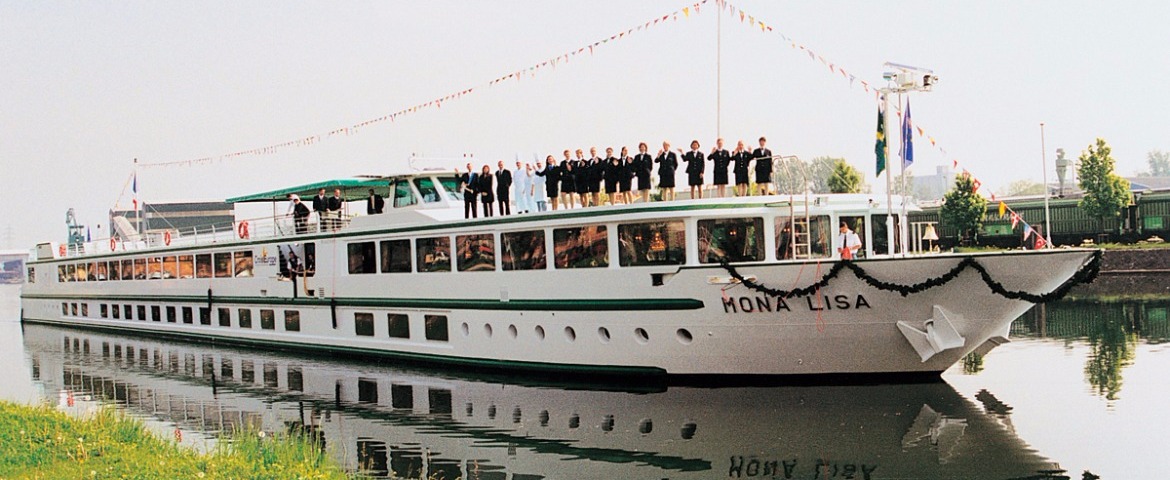
MS Mona Lisa
43 Cruises

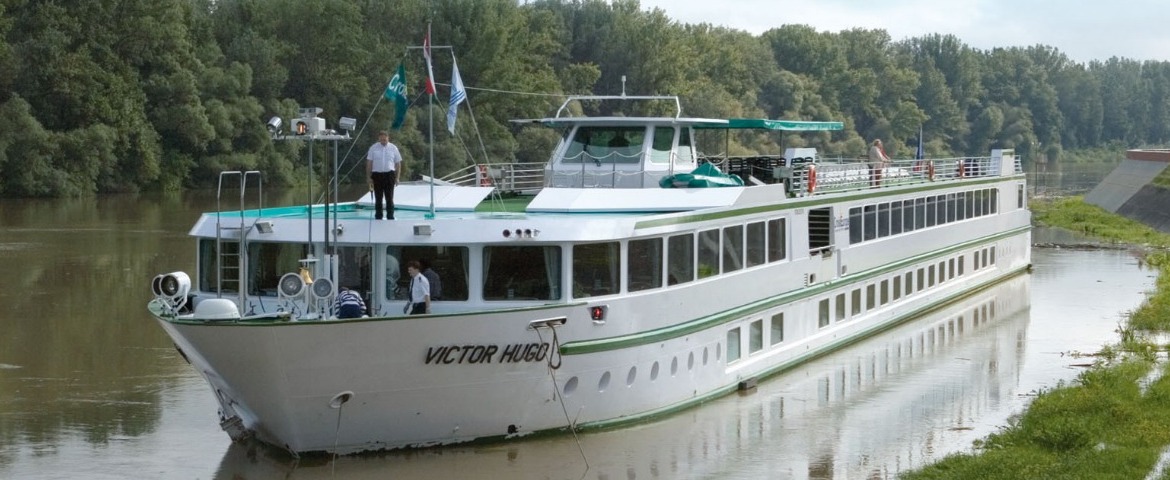
MS Victor Hugo
37 Cruises
Emerald Waterways (54 Cruises)
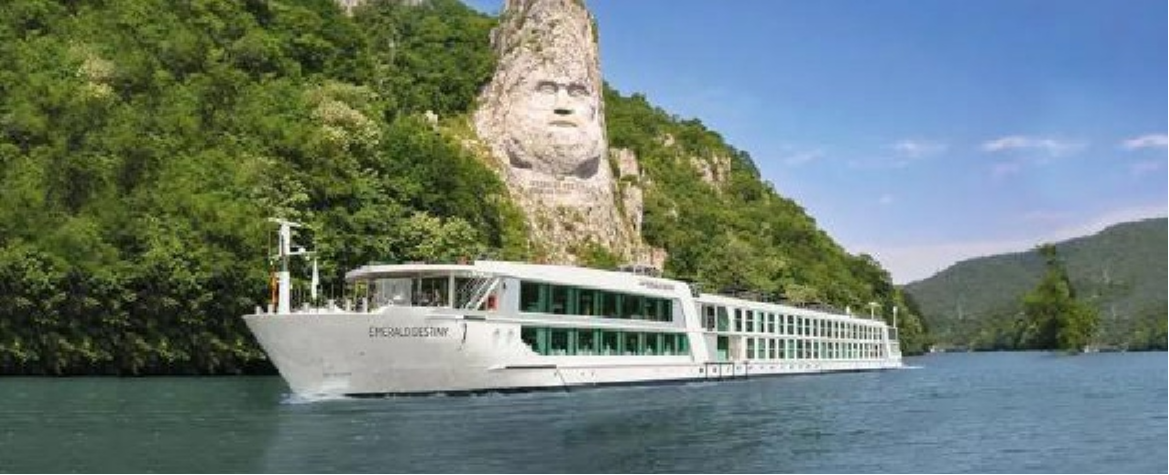
Emerald Destiny
14 Cruises

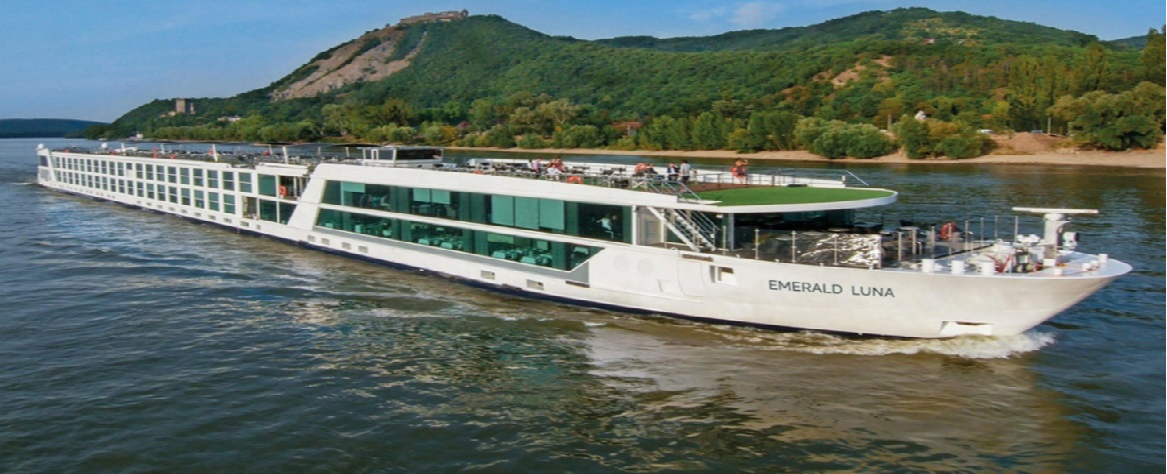
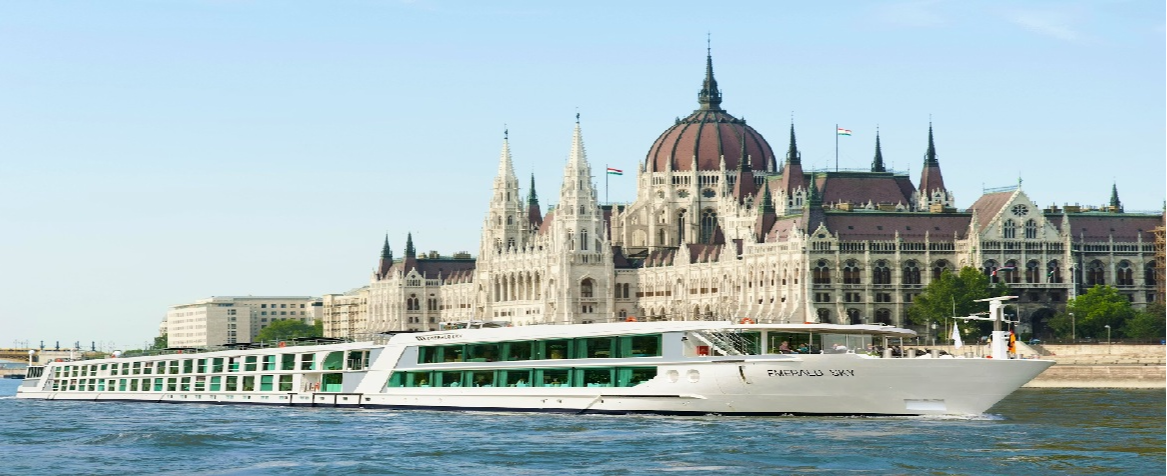
Emerald Sky
12 Cruises
| 7 May | 24 days | One-way from Prague to Amsterdam |
450-628-6241
Call us
|
| 7 May | 25 days | One-way from Prague to Amsterdam |
450-628-6241
Call us
|
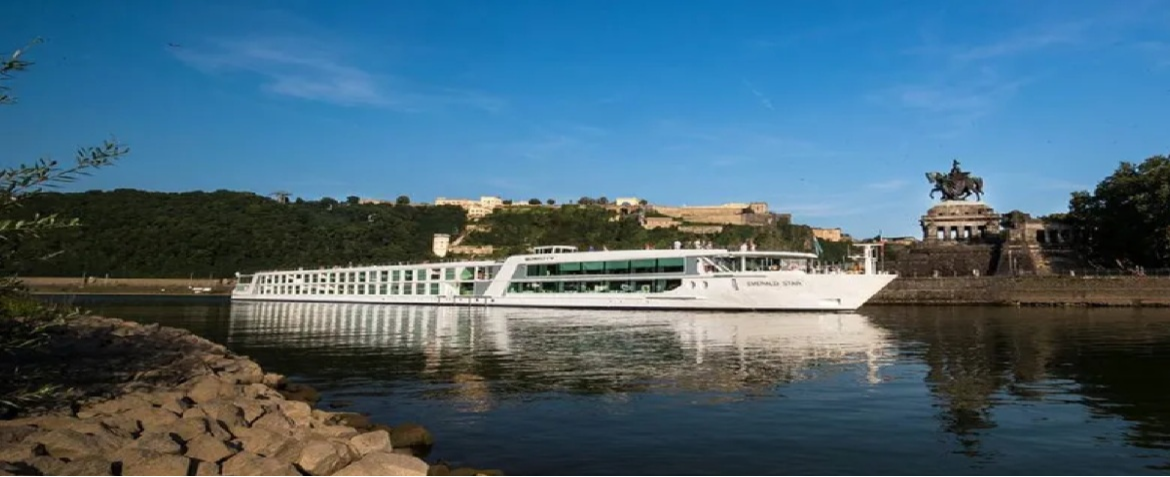
Emerald Star
6 Cruises
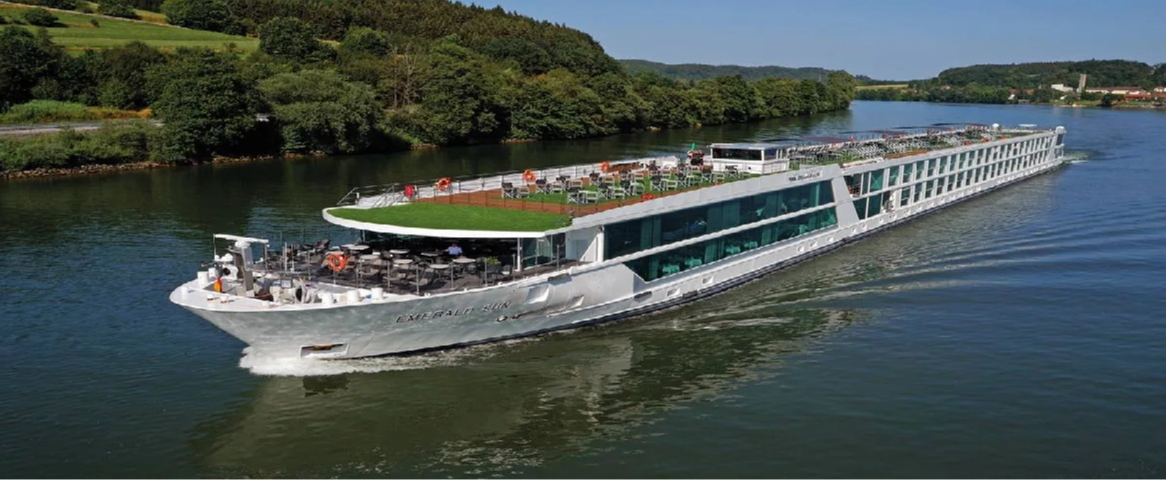
Emerald Sun
18 Cruises
Scenic Cruises (31 Cruises)



Scenic Jewel
6 Cruises

Scenic Pearl
10 Cruises

Scenic Ruby
11 Cruises

Berlin, Germany | Cruise Port Guide
Frequently Asked Questions
In several places depending on the line and the itinerary: Westhafen in the Moabit district, quays along the Spree at Treptow or Köpenick, or the Havel riverbanks at Spandau. None of them is at the foot of the Brandenburg Gate.
By the urban rail network, which makes up for everything: the S-Bahn or U-Bahn reaches the centre in twenty to thirty minutes from these berths, with departures every few minutes during the day. Most lines also run shuttles or guided excursions, a sensible option in a city this size.
The central landmarks link up within walking distance: the Brandenburg Gate, the Reichstag with its glass dome, Unter den Linden, then Museum Island, a UNESCO World Heritage site. Seeing it all is impossible: pick one museum and do it properly. The Memorial to the Murdered Jews of Europe is close by.
Yes, climbing the glass dome requires a reservation. It is not something you improvise on stepping off the boat: arrange it before you travel if it matters to you.
At three main sites. The East Side Gallery runs murals along more than a kilometre of preserved wall. The Bernauer Strasse memorial, with its reconstructed strip of ground, shows what the border actually was: two walls, the death strip, the watchtowers. Checkpoint Charlie draws the crowds, but Bernauer Strasse is where the history makes sense.
Don't rush off to the centre. Spandau is an old town older than Berlin itself, with a pleasant pedestrian core and above all its citadel, a Renaissance fortress set on an island in the Havel. Brick bastions, a medieval keep and exhibitions take an hour or two, without the crowds of the big Berlin museums.
Twenty to thirty minutes by S-Bahn or U-Bahn. From Westhafen, allow about twenty-five minutes by public transport to Museum Island. Unter den Linden takes about twenty minutes to walk end to end.
The euro and German. English is widely spoken in the capital, especially among people under forty and at tourist sites. Cards work almost everywhere, but keep some cash: a number of Berlin cafés, markets and small shops still refuse them.
Yes, provided you choose. The distances and the sheer density of museums can wear out younger travellers, but Museum Island, the East Side Gallery murals and the parks will fill a day. The Memorial to the Murdered Jews of Europe and the Wall sites, by contrast, need explanation and a certain maturity.
The pace. No airport queue, no motorway: just the Havel or the Spree widening out, forests, lakes, then the first cranes and brick spires. The contrast on the way back is just as striking: you leave one of the most intense capitals on the continent for the lapping of a quiet river.


